
President Donald Trump’s administration hit two legal roadblocks over the past day, after courts moved to halt both the revocation of an attorney’s security clearance and the deployment of National Guard troops in Chicago tied to the administration’s immigration enforcement plans.
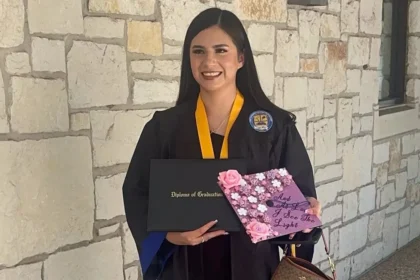
On Tuesday, U.S. District Judge Amir Ali in Washington, D.C., granted attorney Mark Zaid a preliminary injunction in part, finding that the removal of his clearance appeared to be “retribution against a lawyer because he represented whistleblowers and other clients who complained about the government.”
Also Tuesday, the Supreme Court declined to grant the administration’s request to proceed with deploying National Guard troops in the Chicago area in support of its immigration crackdown.
Why It Matters
The pair of decisions underscores the legal limits the Trump administration continues to face since returning to office in January.
Zaid’s clearance revocation was tied to a broader campaign of reprisals that critics say has targeted perceived opponents. Zaid has drawn the president’s ire for years. In 2019, he represented a whistleblower whose account of a conversation between Trump and Ukrainian President Volodymyr Zelensky helped trigger the first of two impeachment proceedings against Trump during his first term.
Meanwhile, the Supreme Court’s action is a significant setback to the administration’s effort to send troops into major U.S. cities as part of its immigration strategy—an area where the president has previously secured multiple wins through emergency appeals.
What To Know
Zaid’s lawsuit, filed in May, challenges a March presidential memorandum naming a group of people the White House said should lose access to classified information because it was “no longer in the national interest” for them to retain security clearances.
Zaid argued in court that the move amounted to “improper political retribution” and directly impaired his ability to represent clients in sensitive national-security matters. He said he represents multiple clients whose cases involve classified information that he can no longer review as part of effective legal representation.
The suit also notes that Zaid, a national security attorney, has represented clients across the political spectrum for nearly 35 years, including government officials, law enforcement officers, military personnel, and whistleblowers.
In his ruling, Judge Ali wrote that the Constitution “forbids government officials from using their power to retaliate against people for their speech, and that is so even when the speech is critical of the government.”
Ali said the administration canceled Zaid’s clearance “without any of the process that is afforded to others” and “does not meaningfully rebut” the argument that the decision stemmed from Zaid’s “prior legal work for clients adverse to the government.”
He added that while the executive branch has broad authority over security clearances, that power is still bound by constitutional limits: it does not permit decisions made “however it wants and free from the Constitution’s limits.”
Supreme Court Order on Chicago Deployment
The Supreme Court declined the administration’s emergency request to overturn lower-court rulings that blocked deploying troops to the Chicago area. U.S. District Judge April Perry had halted the move, and a federal appeals court declined to intervene.
The Supreme Court acted after more than two months.
“At this preliminary stage, the government has failed to identify a source of authority that would allow the military to execute the laws in Illinois,” the court’s majority wrote.
Three justices—Samuel Alito, Clarence Thomas, and Neil Gorsuch—publicly dissented.
In their dissent, Alito and Thomas said the court had no basis to reject Trump’s contention that troops were needed to enforce immigration laws. Gorsuch said he would have ruled more narrowly in the government’s favor based on declarations from federal law enforcement officials.
What People Are Saying
White House spokesperson Abigail Jackson responded to the Supreme Court’s decision by saying: “The president promised the American people he would work tirelessly to enforce our immigration laws and protect federal personnel from violent rioters. He activated the National Guard to protect federal law enforcement officers, and to ensure rioters did not destroy federal buildings and property. Nothing in today’s ruling detracts from that core agenda. The administration will continue working day in and day out to safeguard the American public.”
Illinois Governor JB Pritzker, a Democrat, wrote on X that the ruling was “a big win for Illinois and American democracy.”
He added: “I am glad the Supreme Court has ruled that Donald Trump did not have the authority to deploy the federalized Guard in Illinois. This is an important step in curbing the Trump Administration’s consistent abuse of power and slowing Trump’s march toward authoritarianism.”
Earlier this year, Zaid told The Guardian that he filed the lawsuit to protect due process and ensure the rule of law is followed. “I didn’t do anything. I’m caught up in this political, vindictive battle, so my hope is the lawsuit certainly will reinstate my clearance, but will also hold this administration accountable to the rule of law,” he said.
What Happens Next
The Supreme Court’s order is not a final ruling, but it could influence other legal challenges to the administration’s efforts to deploy the military in other Democratic-led cities.
Judge Ali’s preliminary injunction in Zaid’s case is stayed until January 13, giving the government time to consider next steps, including a possible appeal. The government has until December 30 to inform the court of its proposed course of action.