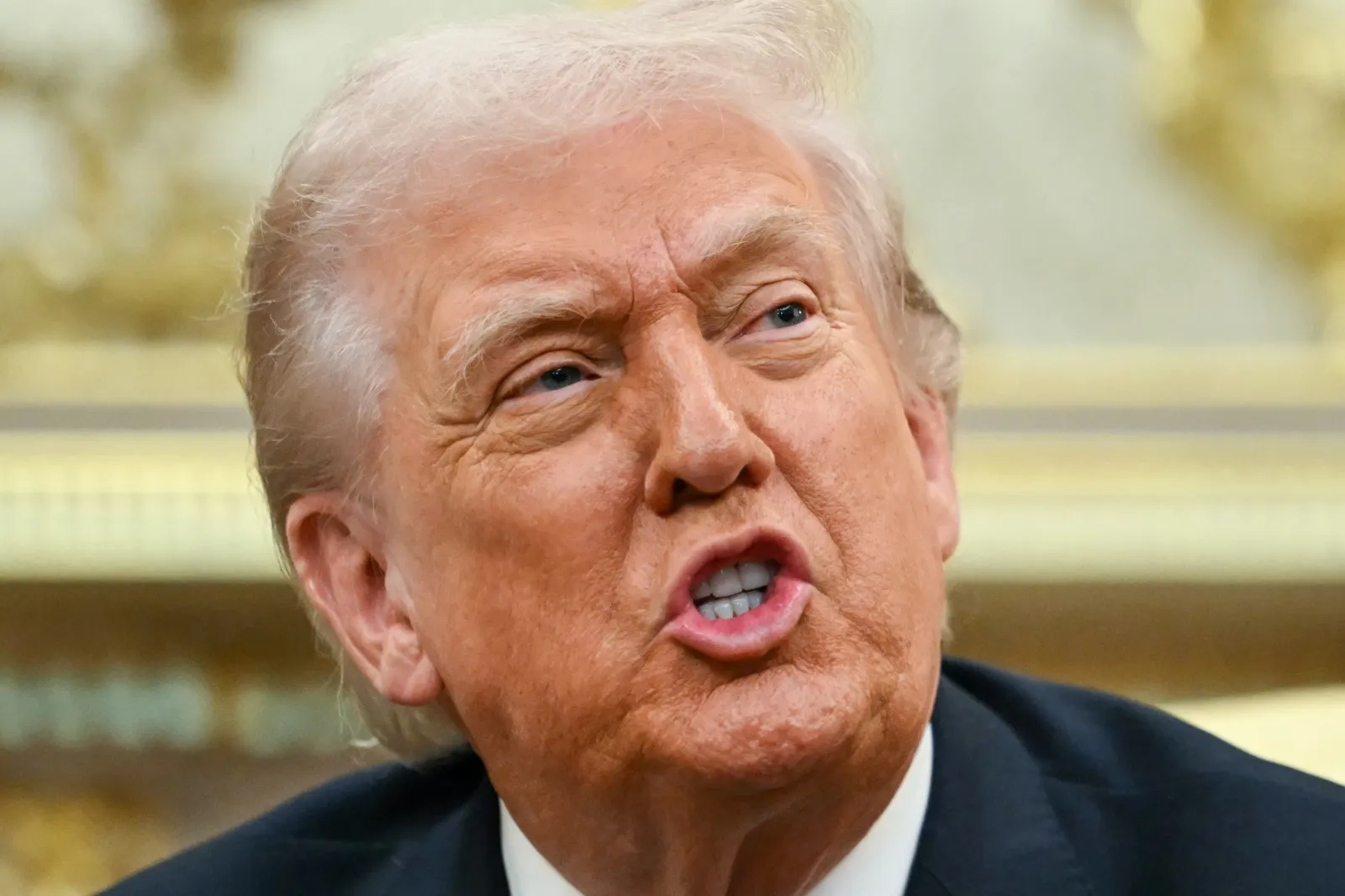

WASHINGTON, D.C. — President Donald Trump’s approval rating among independent voters has seen a modest uptick in late February, according to a series of new CBS News/YouGov polls. The shift reverses a monthslong decline for the president among the crucial swing demographic, signaling a potential stabilization of his political standing as both parties eye the 2026 midterm elections.
The latest data, collected from February 25–27, 2026, shows Trump’s approval among independents rising to 34 percent, while disapproval dipped to 66 percent. This results in a net approval of minus 32 points, a six-point improvement from the minus 38-point floor hit earlier in the month.
Tracking the Mid-Winter Slide
The recovery follows a difficult winter for the administration. Investigative tracking of CBS News/YouGov data reveals a steady deterioration of support from the “political middle” starting in late 2025:
- December 17–19, 2025: Trump held a 33 percent approval among independents.
- January 14–16, 2026: Approval slipped to 31 percent, with disapproval climbing to 69 percent.
- February 20–23, 2026: Support stagnated at 31 percent, marking the president’s lowest point with the group in this cycle.
While the late-February bounce to 34 percent remains “underwater” by historical standards, the movement suggests that the president’s support among non-affiliated voters may have found a temporary ceiling for its decline.
White House and Expert Analysis
The White House has consistently downplayed the significance of fluctuating approval ratings, pointing instead to the 2024 election results as the definitive metric of public sentiment.
“The ultimate poll was November 5, 2024, when nearly 80 million Americans overwhelmingly elected President Trump to deliver on his popular and common-sense agenda,” White House spokesman Davis Ingle said in a statement. Ingle added that the President remains the “most dominant figure in American politics.”
However, political analysts suggest the volatility among independents reflects deep-seated concerns regarding the administration’s direction. Chris Hopkins, political research director at Savanta, noted that while the core base remains loyal, moderate and independent voters are showing signs of fatigue.
“Among independents and the more moderate wings of the GOP, his approval is starting to wane, with worries about the unpredictable nature of Trump’s leadership style,” Hopkins observed.
Why the Independent Vote Matters
Independent voters are the perennial kingmakers in American politics, often deciding the outcome of narrow congressional races. With the 2026 midterm elections approaching, these small shifts in momentum provide the primary indicator of whether the GOP can maintain its hold on the House and Senate.
For the Trump administration, the challenge lies in converting “silent support” into measurable approval. During a recent White House event, the President addressed the disconnect between his perceived popularity and polling data: “It just amazes me that there’s not more support out there. We actually have silent support… I think that’s how I won.”
Methodology and Looking Ahead
The CBS News/YouGov surveys involved samples ranging from 2,264 to 2,523 U.S. adults, with margins of error between 2.3 and 2.5 percentage points. The samples were weighted to reflect the U.S. population based on age, gender, race, and education.
The coming months will determine if this late-February rebound is a statistical outlier or the beginning of a sustained recovery. As economic and foreign policy debates intensify, the administration’s ability to move the needle with independents will be the ultimate test of its political longevity.