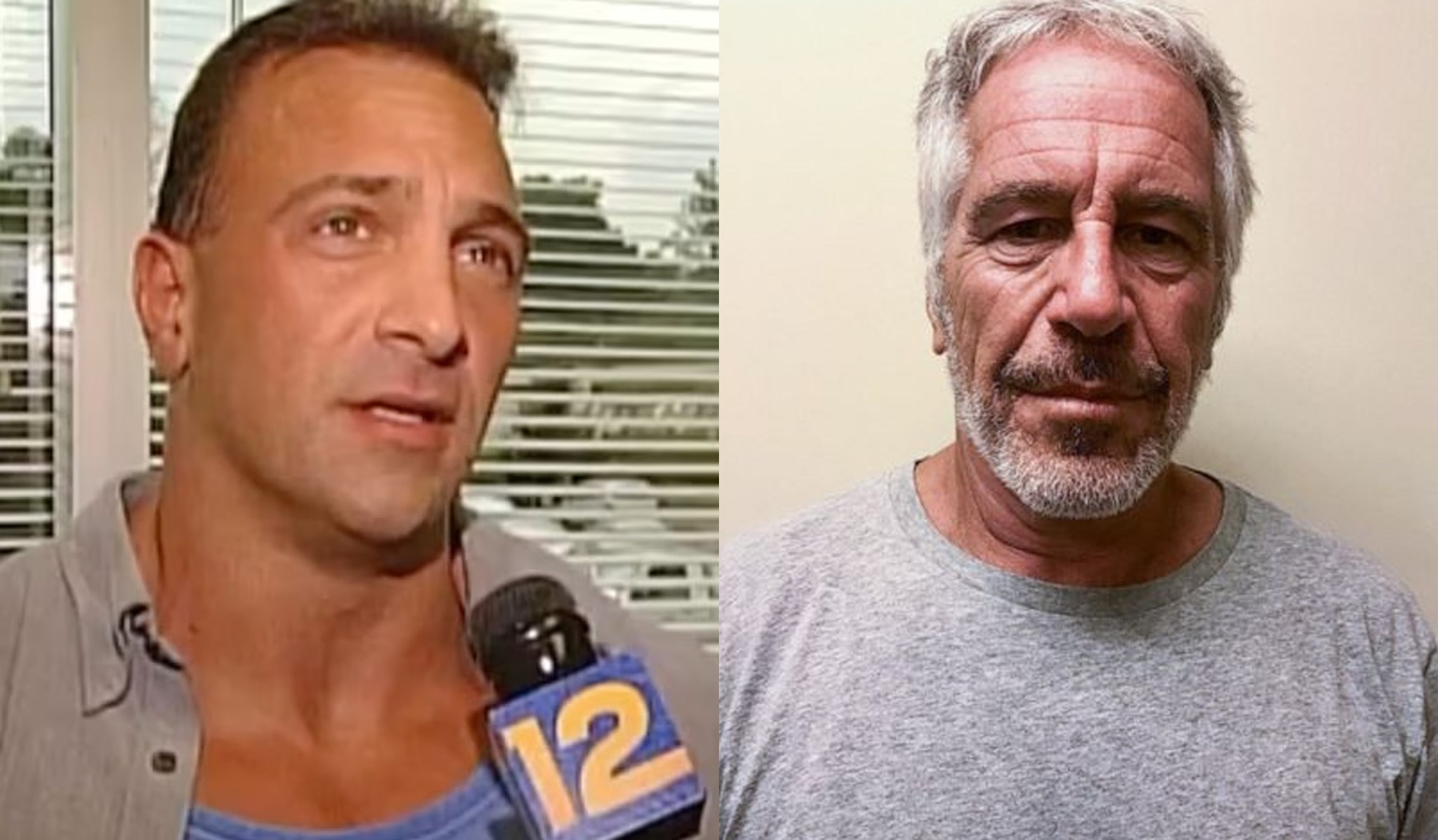

The unanswered questions surrounding Jeffrey Epstein’s death have taken a far more troubling turn — and the allegation now points directly at the first Trump administration.
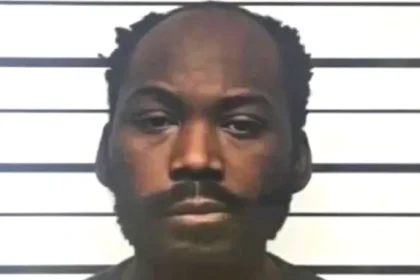
In a startling pardon petition obtained by The Daily Beast, Epstein’s former cellmate, Nicholas Tartaglione, alleges that the government intentionally left Epstein vulnerable because it did not want him to live long enough to stand trial.
“Deliberately exposed to violence,” Tartaglione wrote, claiming officials acted “in the hope that he would not survive long enough to testify.”
Tartaglione, a former police officer facing charges in four murders linked to a failed drug deal, says his placement with Epstein inside the Metropolitan Correctional Center in Manhattan was no accident. His history of extreme violence — along with his openly stated hatred of child offenders — was well known.
Despite that, Epstein was housed with him anyway.
According to Tartaglione, prosecutors, including Maureen Comey, who led the Epstein case, were fully aware of who he was and what he was capable of. Epstein himself reportedly warned prison guards weeks before his death that Tartaglione had tried to kill him.
No action was taken.
“I clearly was not protected on purpose, nor was Epstein,” Tartaglione wrote. “I truly believe the government wanted both Epstein and me dead.”
This claim does not come from an anonymous online figure, but from the individual the Bureau of Prisons placed inside Epstein’s cell — a decision that has never been convincingly explained.
Tartaglione maintains that he did not kill Epstein, a position that aligns with long-standing doubts expressed by people close to the case, including Epstein’s brother Mark Epstein, Ghislaine Maxwell, and members of Epstein’s legal defense team.
For years, the public has been told the matter is settled: suicide, case closed. Yet each new disclosure raises the same unsettling possibility — that the system failed in ways that conveniently protected powerful interests.
Had Epstein lived, he would have testified. He would have named names. He would have exposed a network of elites who associated with him, shielded him, and benefited from his silence. Instead, he died alone in a jail cell after being placed with a man notorious for violence.
And the question refuses to disappear: was Jeffrey Epstein merely allowed to die — or was his death exactly what some wanted?