
The European Union has drawn up a sweeping package of retaliatory tariffs totaling €21 billion ($24.5 billion) on U.S. goods, officials warned Monday—setting the stage for a major transatlantic trade clash unless a last-minute deal is reached.
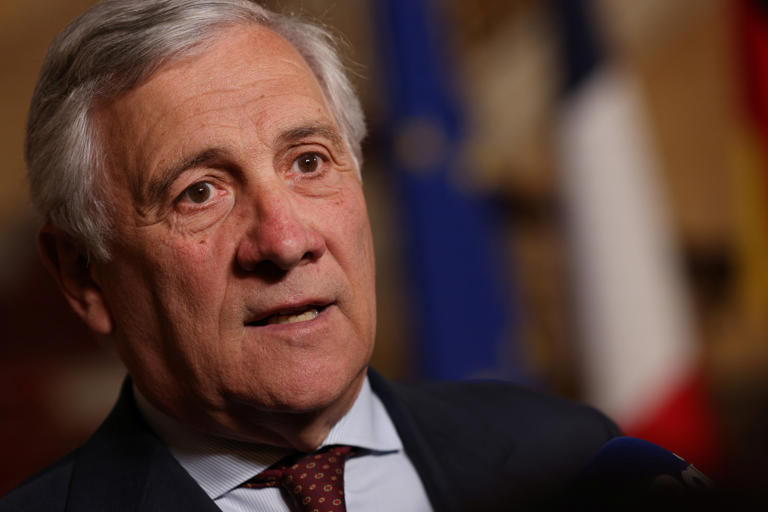
Italian Foreign Minister and Deputy Prime Minister Antonio Tajani confirmed in an interview with Il Messaggero that the EU remains open to talks, but is prepared to strike back if negotiations fail.
“A list of European duties worth 21 billion euros is ready,” Tajani said, adding that a second set of measures “could be added” if needed. “The tariffs hurt everyone, starting with the United States.”
What Sparked the Dispute?
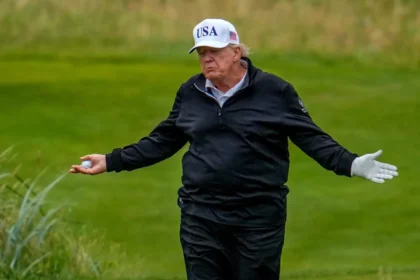
The EU’s warning comes in response to President Donald Trump’s announcement Saturday of a 30% tariff on all imports from the European Union and Mexico, set to take effect August 1. Trump cited the EU’s $235.6 billion trade surplus with the U.S. and called it a “threat to our economy and national security.”
Why It Matters
The revived trade tensions threaten nearly $1 trillion in annual U.S.-EU commerce, placing pressure on industries ranging from automobiles and agriculture to pharmaceuticals. Experts warn that escalating tariffs could disrupt global supply chains and raise prices for consumers on both sides of the Atlantic.
EU officials said they would delay imposing countermeasures until August to allow room for negotiations but stressed that they will not hesitate to act if talks break down.
“Imposing 30 percent tariffs on EU exports would disrupt essential transatlantic supply chains—to the detriment of businesses, consumers and patients,” warned European Commission President Ursula von der Leyen.
To underscore its willingness to negotiate, the EU has suspended previously planned retaliatory tariffs tied to Trump-era duties on steel and aluminum, which were set to take effect this week.
Trump’s Warning and the EU’s Response
In a letter posted to Truth Social, Trump warned the EU:
“If for any reason you decide to raise your tariffs and retaliate, then whatever number you choose will be added onto the 30% we charge.”
In response, von der Leyen and other EU leaders reiterated their desire for a negotiated settlement—but made clear they’re preparing for the worst.
“We will take all necessary steps to safeguard EU interests, including the adoption of proportionate countermeasures if required,” von der Leyen said.
French President Emmanuel Macron added that the EU must act with unity and urgency:
“[Trump’s] announcement comes after weeks of engagement… The Commission must now accelerate the preparation of credible countermeasures, including anti-coercion tools.”
What’s Next?
With just over two weeks before Trump’s tariffs are scheduled to take effect, time is running out to reach a resolution. Tajani floated the idea of an “in-principle agreement” to delay both the tariffs and the EU’s response, giving both sides more time to work out the details.
The EU’s trade ministers will meet Monday in Brussels to finalize a unified strategy.
Tajani also called on the European Central Bank to consider economic support measures—similar to its COVID-era stimulus plan—to cushion the impact of tariffs, though he acknowledged there’s little support for that idea among European leaders.
Despite the rising tensions, Tajani remains hopeful:
“Our goal is zero tariffs and an open market between Canada, the United States, Mexico, and Europe,” he said. “I am confident that there will be progress.”