
Forget the stereotypical image of a white, rural man in camo—today’s American gun owners are younger, more diverse, and far from traditional. From Black teenage girls to trans anarchists, from liberal influencers to self-defense advocates, the modern gun community looks vastly different than it did just a decade ago.
Meet the New Face of American Gun Ownership
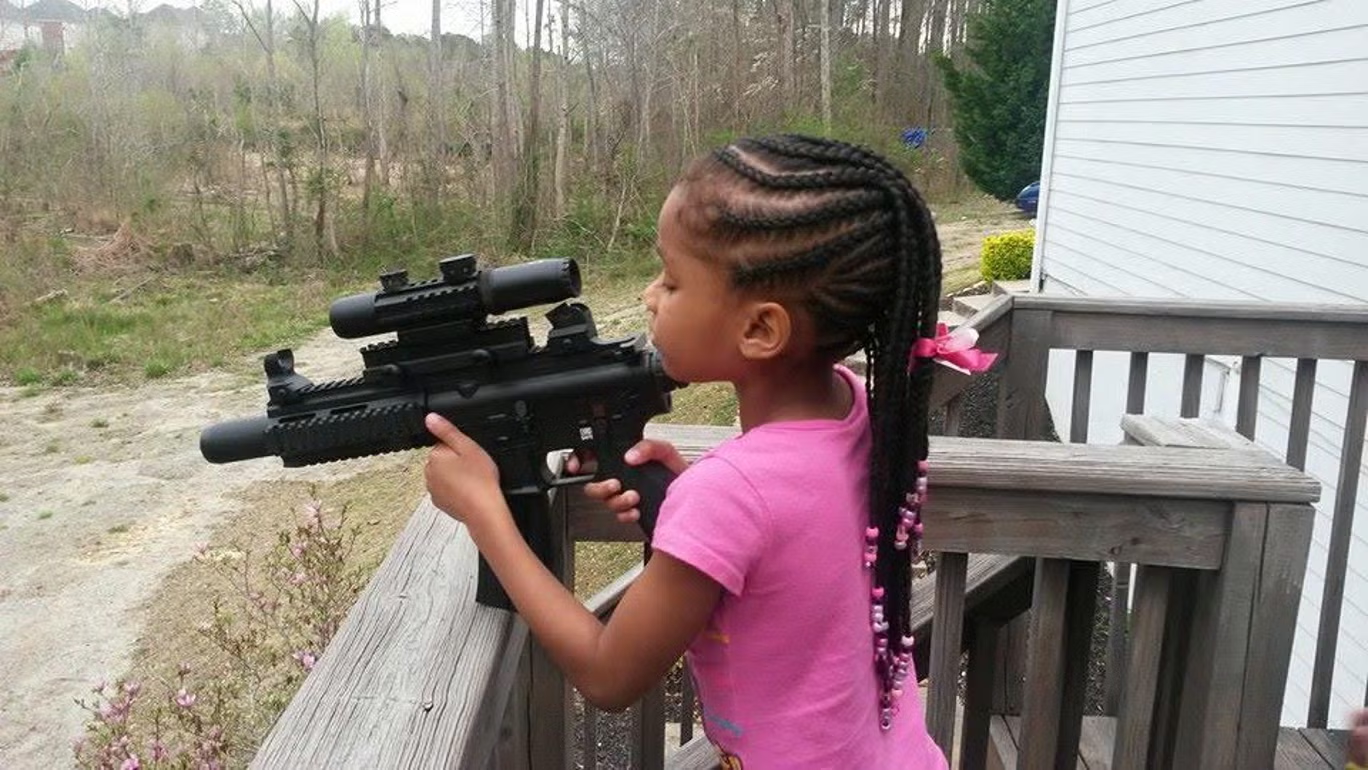
In a video on the Survival Sisters Facebook page, a young girl—no older than elementary school age—steadies a machine gun on a wooden block and fires a shot, movie soundtrack swelling in the background. Cut to years later, and that same girl, Naomi Thrasher, is a confident teen, shooting round after round with practiced precision.
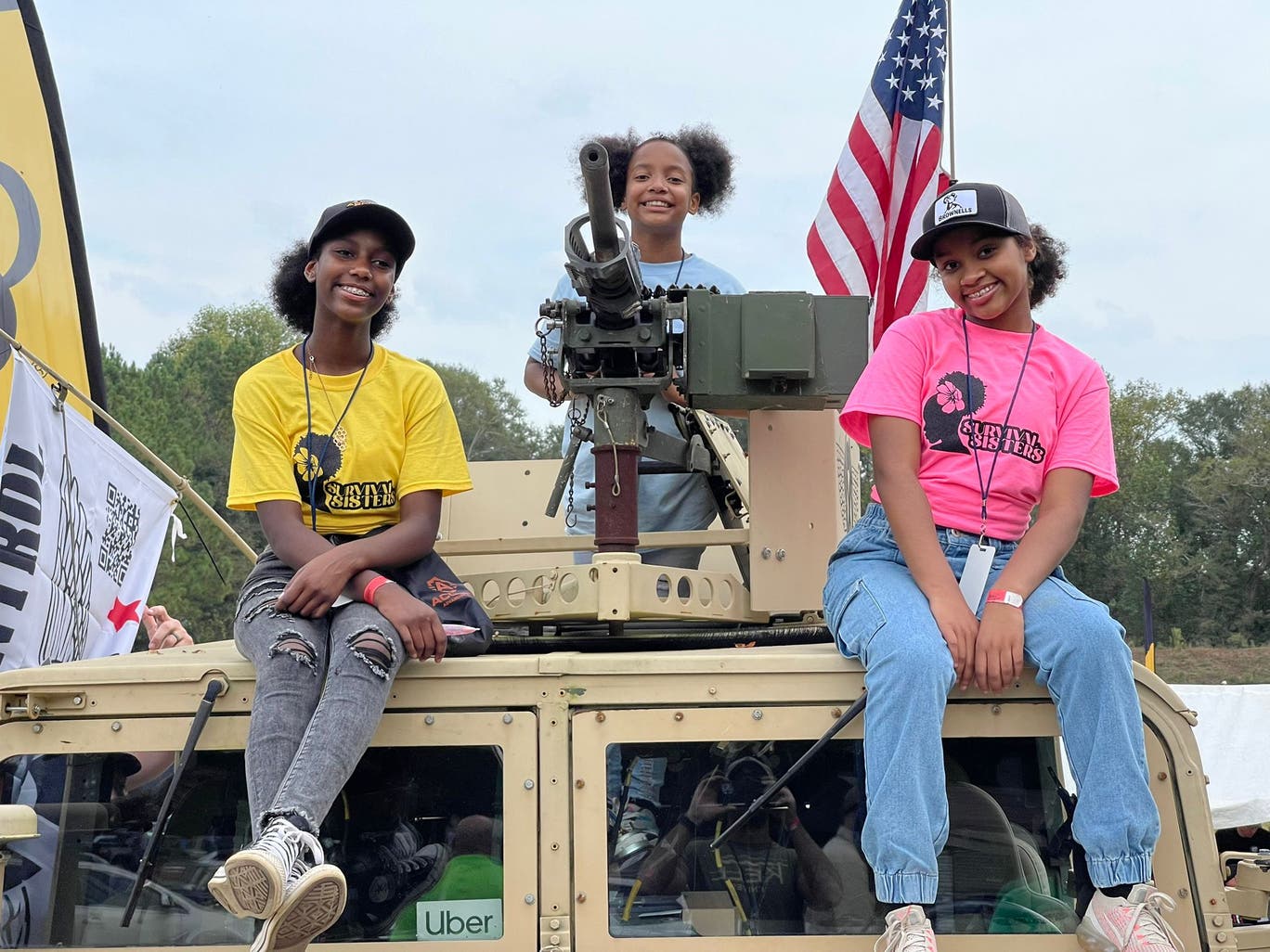
Naomi is one of four Black sisters—Naomi, Kennedy, Brooke, and Charli—who grew up around guns. Their father, Fred Thrasher, taught them to shoot before they even started school. Now in their teens and early 20s, they’ve become social media fixtures with nearly half a million followers across platforms, showing off everything from precision rifles to tanks.
But their growing platform hasn’t always been met with praise. When they first appeared on the range, Fred recalls, “a bunch of older white men” accused him of being irresponsible or violating NRA rules. He pushed back: “You just don’t want me doing it with my children, because they mess with your reality.”
A More Diverse Arsenal
Fred isn’t wrong. While the image of a white man with a rifle still dominates gun culture in the media, reality has shifted. According to the National Shooting Sports Foundation, Black gun ownership surged 58% in 2020, and the growth hasn’t slowed. Hispanic, Jewish, female, and LGBTQ Americans have also joined the ranks in growing numbers. Gun manufacturers have noticed—and begun marketing directly to these groups, even framing diversity as “the next big opportunity.”
Often driven by fear—of racism, antisemitism, transphobia, misogyny, or a second Trump term—these new gun owners see firearms less as a hobby and more as a form of protection. In 2000, most gun owners cited sport or hunting as their main reason. By 2023, 72% said it was for personal safety.
Gun Influencers Are Getting Younger—and More Visible
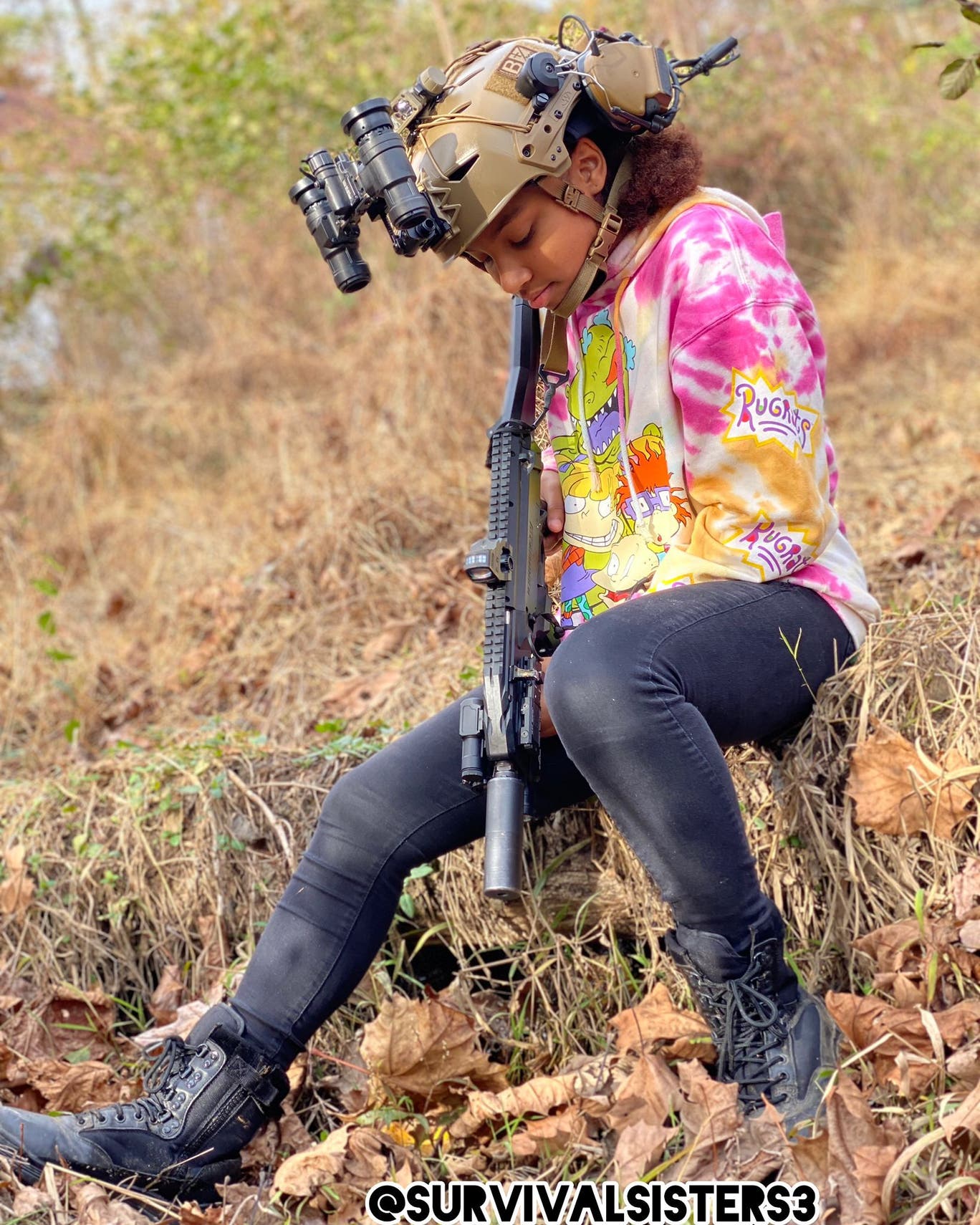
Fred Thrasher doesn’t call his daughters influencers, but that’s essentially what they are. They receive free gear from manufacturers like Daniel Defense, post content from shooting events, and have even featured in brand marketing campaigns. His daughter Kennedy, now a teenager, won’t even touch a gun unless it’s a custom precision rifle. “It don’t meet my standard,” she shrugs.
And they’re not alone. From pink-haired 12-year-old Autumn Fry to the 2A Boys—whose toddler sister shows off her pink camo gun bag—child gunfluencers have become a growing phenomenon. Their feeds are filled with oversized weapons, pastel gear, and an audience that cheers them on. Still, the most prominent of these influencers are white. For Black families like the Thrashers, image matters. “We have to be more careful,” Fred says.
Self-Defense, Not Clickbait
Fred started teaching his girls to shoot after a divorce, wanting to bond with them the way he was raised—through hunting and outdoor survival. But he’s also deeply aware of what carrying a weapon while Black can mean. Despite Georgia’s loose gun laws, he tells his daughters not to carry firearms in public. One of them, now 18, once left a party early after noticing several boys casually carrying AR-15 pistols in their backpacks. “I had to leave,” she told her dad. “They don’t know what they’re doing.”
Fred sees his daughters’ skill and visibility as social progress—akin to Black families integrating swimming pools once closed to them. He wants his girls to take up space in gun culture, not to provoke, but to ensure that their rights and safety aren’t quietly revoked.

The Unexpected Influencer: Tacticool Girlfriend
Not all new faces in the gun world grew up around firearms. One influencer, known as Tacticool Girlfriend, is a transgender Asian-American anarchist who now teaches weapons logistics and concealed-carry tips to her 65,000 YouTube followers. Raised in an anti-gun household, her interest started with antiques and eventually evolved into a self-defense necessity.
She doesn’t show her face, keeps her location private, and never intended to be famous. But her content resonated, especially with trans people and other marginalized groups who suddenly found themselves in need of protection post-2024.
“I don’t moralize guns,” she says. “They’re a tool. If we’re not dismantling the military and police, we’re not enacting real gun control. That’s just a monopoly on violence.”

A Culture of Fear—and Freedom
Gun marketing has increasingly leaned into themes of fear and control. Take the now-infamous Daniel Defense Super Bowl ad: a quiet suburban dad, a sleeping baby, and then—a rifle. The message? Even at your safest, you need to be ready for danger.
That paranoia is fueling a new generation of gun buyers—many of whom, like legal scholar Mary Anne Franks, never imagined they’d consider owning one. “For the first time in my life, I’ve thought about getting a gun,” she admits. “I’ve been threatened by people inside the government. I’m not sure how I’d protect myself otherwise.”
Franks sees the changing gun culture as both a response to and a symptom of growing instability. She warns that America’s problem isn’t just the number of guns—it’s how those guns are sold, used, and mythologized.
Selling Firearms to Children
Gun violence is now the leading cause of death for American children and teens. Yet, manufacturers like Wee1 Tactical have launched products like the JR-15, a child-sized AR-15-style rifle, complete with skull-and-crossbones logos featuring pacifiers. Nicole Hockley, who lost her son in the Sandy Hook shooting, has been calling out these marketing tactics through her nonprofit, Sandy Hook Promise.
“These guns are advertised to children every day,” she says. “How can we be the land of the free if the only way we feel free is by owning a gun?”
A Divided Future
The U.S. stands at a cultural crossroads. Gun ownership is no longer a conservative white man’s domain—it’s also queer, Black, female, and leftist. But for every family teaching responsible firearm use, there’s another incident highlighting the dangers of easy access.
For some, this is empowerment. For others, it’s a terrifying sign of where we’re headed.
The question now is no longer who owns the guns.
It’s why.