
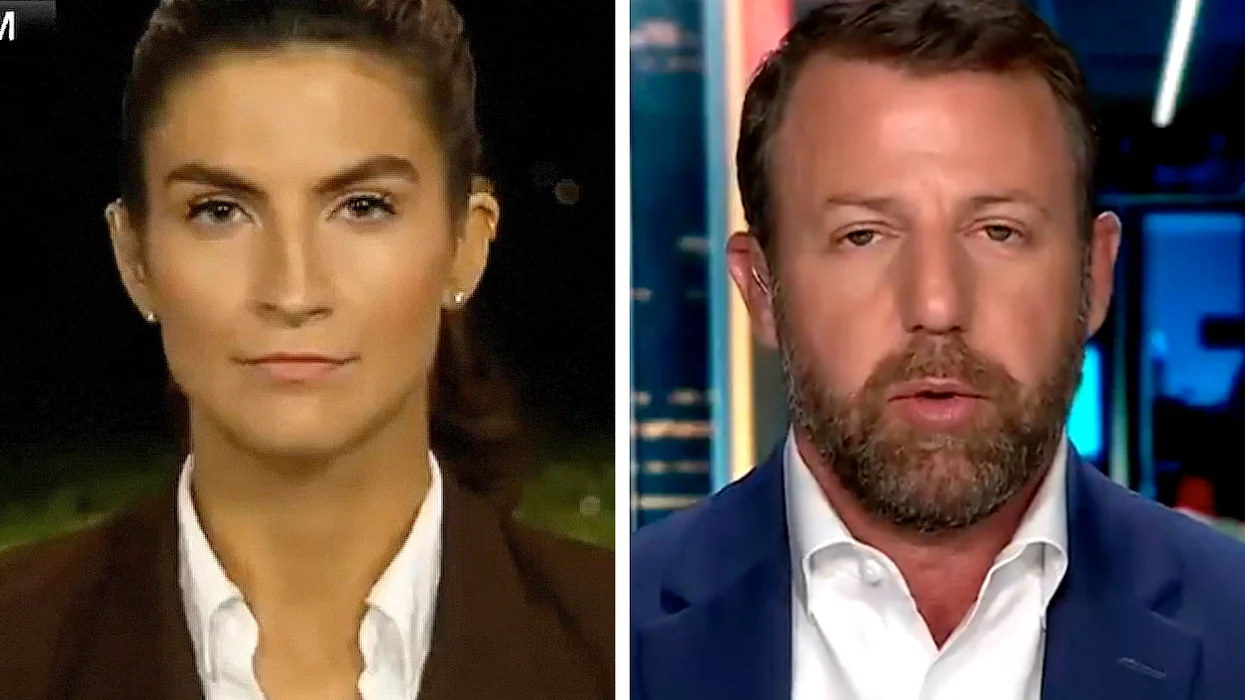

Sen. Markwayne Mullin (R-OK) is under fire after a tense CNN interview in which he appeared to suggest the U.S. has human intelligence sources operating inside Iran — a detail that, if accurate, would be highly classified.
The controversy erupted during a segment with CNN host Kaitlan Collins, where Mullin attempted to discredit a Defense Intelligence Agency (DIA) report contradicting former President Donald Trump’s claims about the success of recent U.S. airstrikes on Iran’s nuclear program.
In an effort to cast doubt on the DIA’s findings, Mullin argued that the agency lacks “eyes on the ground” and implied the existence of other, more reliable sources. That prompted national security expert and Harvard professor Juliette Kayyem to call out the senator’s comments on social media.
“This interview was so strong that Mullin, in order to throw DOD intel report under the bus, panics and discloses that the U.S. has human intelligence sources on the ground that will be able to tell [how effective the bombings were],” Kayyem wrote on X. “Not sure that’s true, but if it is, it is highly classified.”
The Report at the Center of the Debate
The classified DIA report reportedly assessed that the recent U.S. strikes — which targeted Iranian nuclear facilities at Fordow, Natanz, and Isfahan — only delayed Iran’s nuclear progress by a few months. This directly undermines Trump’s public assertion that the operation was a decisive success.
Sources familiar with the report say it was based on bomb damage assessments and intelligence indicating that Iran moved enriched uranium out of targeted facilities in advance. Some advanced centrifuges reportedly remain intact.
Mullin Pushes Back — and Possibly Goes Too Far
During the CNN interview, Collins challenged Mullin’s dismissal of the DIA report.
“The DIA is part of the Pentagon, and the Pentagon is what carried out these strikes, sir,” she said. “And the director of the DIA is a three-star military officer who is the principal advisor to the secretary of defense, is he not?”
Mullin responded, “That doesn’t mean they have eyes on it.”
When Collins pressed further, asking whether he trusted the DIA’s findings, Mullin replied:
“Absolutely, 100 percent do not trust this… the report wasn’t a collective of the [intelligence community].”
He also admitted he could not offer any alternative intelligence to refute the DIA’s conclusions but insisted the report was inaccurate.
“I don’t even know where this report came from,” he said — to which Collins pointedly responded, “This report came from the DIA.”
Mullin then shifted the blame, saying, “There’s multiple people inside the DIA,” echoing Trump’s recent comments referring to the report’s anonymous sources as “real scum.”
Fallout and Concerns
Mullin’s remarks have sparked alarm among national security experts who warn that even the suggestion of U.S. human assets in Iran could jeopardize intelligence operations. While it’s unclear if the senator revealed anything factually classified, the implication alone is considered reckless by analysts.
The incident underscores ongoing tension between Trump-aligned lawmakers and the intelligence community, especially as Trump faces scrutiny over the real-world outcomes of military decisions.
Whether Mullin’s comments lead to formal inquiries or consequences remains to be seen, but the backlash highlights the risks when sensitive intelligence becomes political ammunition on live television.


