
New U.S. Department of Homeland Security (DHS) visa-travel restrictions and immigration enforcement protocols took effect on December 26, 2025, introducing broader biometric identity checks at ports of entry and stricter residency-related reviews for some lawful permanent residents.
Why It Matters
The Trump administration says the changes are designed to strengthen national security and modernize border management through expanded use of advanced identification technology. Under the updated approach, federal authorities can more closely track international travel by non-U.S. citizens—including lawful permanent residents—and apply heightened scrutiny to green-card applicants and holders from 19 countries identified for increased security review.
What to Know
Two major policy shifts are now in force:
1) Biometric Entry–Exit System
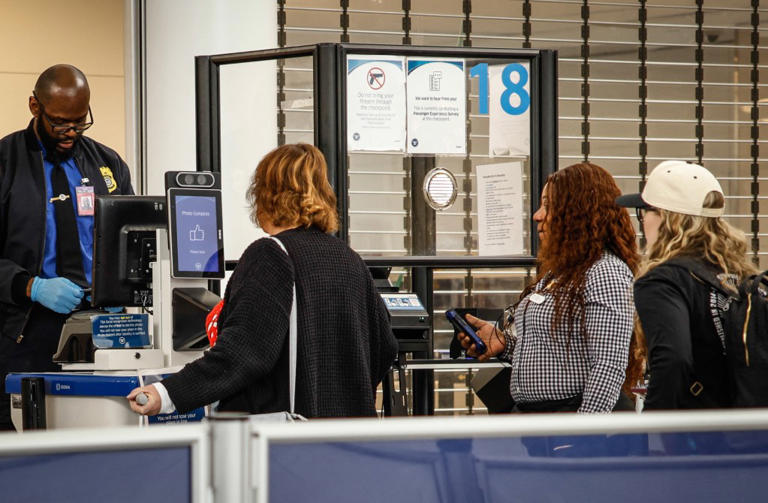
All non-U.S. citizens, including green-card holders, will now be photographed by U.S. Customs and Border Protection (CBP) officials at every entry and exit point—airports, land crossings, and seaports. The new standard also removes prior exemptions for children under 14 and adults over 79.
CBP may also choose to collect fingerprints and iris scans and verify those biometrics against existing travel documents through the agency’s Traveler Verification Service.
2) Enhanced Green-Card Reviews for Certain Countries
U.S. Citizenship and Immigration Services (USCIS) will conduct more intensive reviews of green cards issued to citizens from the following 19 countries, citing concerns about earlier vetting and approval standards:
Afghanistan, Burma (Myanmar), Chad, Republic of the Congo, Equatorial Guinea, Eritrea, Haiti, Iran, Libya, Somalia, Sudan, Yemen, Burundi, Cuba, Laos, Sierra Leone, Togo, Turkmenistan, and Venezuela.
What This Means for Green-Card Holders
For lawful permanent residents—especially those connected to the listed countries—the practical impact may include:
- Mandatory biometrics: Expect photographs at every U.S. border crossing, with possible fingerprinting and iris scans.
- More questioning: Longer or more detailed screening at entry/exit points.
- Paperwork readiness: A stronger need to keep identity and immigration documents current and easily accessible.
- Uncertainty and delays: Added review steps may slow pending or future green-card and visa processing.
What People Are Saying
CBP said in its Federal Register filing:
“Implementing an integrated biometric entry-exit system that compares biometric data of aliens collected upon arrival with biometric data collected upon departure helps address the national security concerns arising from the threat of terrorism, the fraudulent use of legitimate travel documentation, aliens who remain in the United States beyond their period of authorized stay (overstays) or are present in the United States without being admitted or paroled, as well as incorrect or incomplete biographic data for travelers.”
What Happens Next
DHS plans to continue rolling out the biometric entry–exit system over the next three to five years, beginning with major airports and expanding to land and sea ports. DHS and USCIS are also expected to release additional guidance outlining how the enhanced green-card reviews will work in practice, including any added documentation requests.
In the meantime, green-card holders—particularly those from the 19 identified countries—may want to keep records updated, watch for official communications from DHS/USCIS, and seek legal advice if traveling internationally or awaiting an immigration decision.