
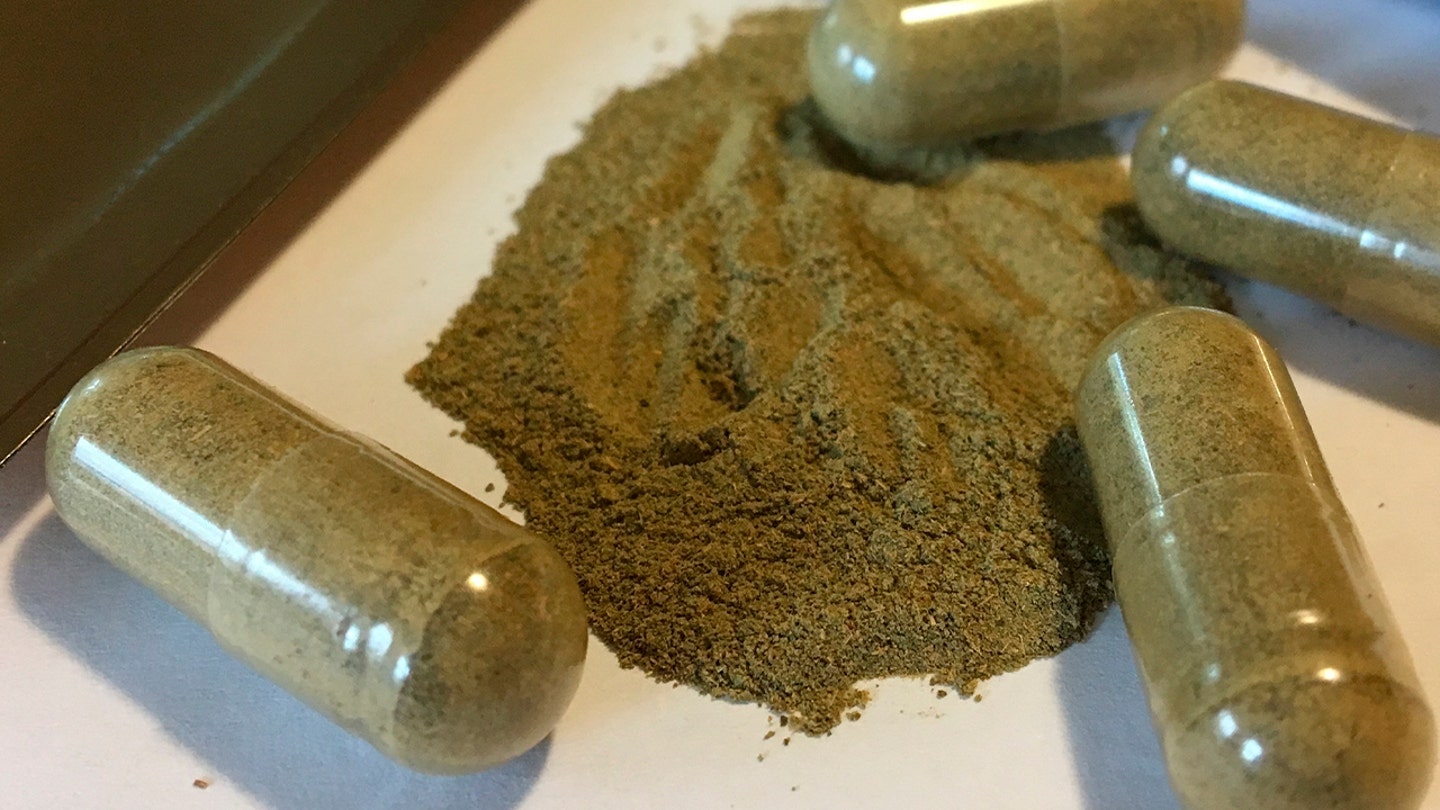
U.S. health officials are urgently warning the public about a powerful and potentially dangerous substance being sold openly in vape shops and convenience stores across the country. Known as 7-hydroxymitragynine, or 7-OH, the compound is derived from the kratom plant and is now being referred to by some as “gas station heroin.”
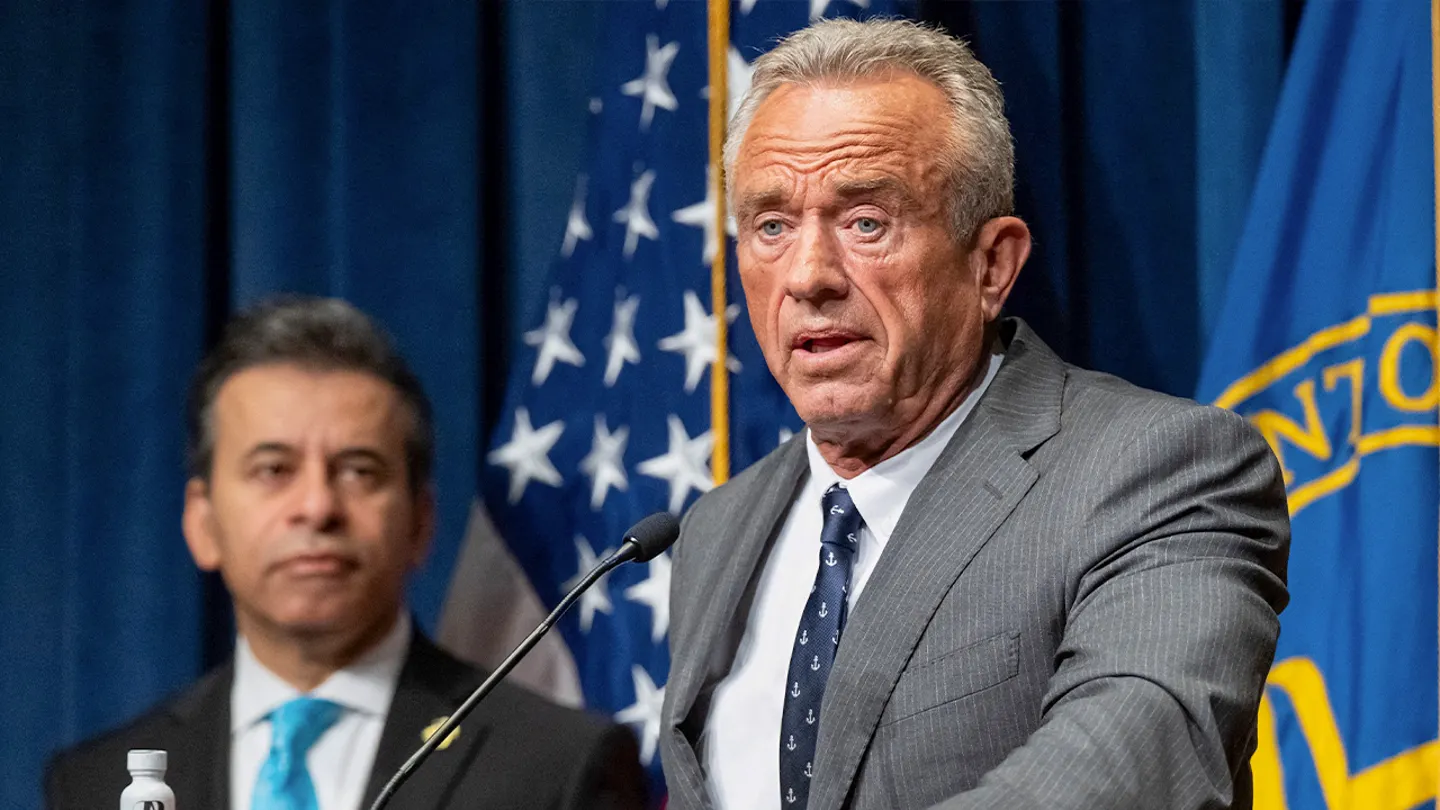
At a press conference Tuesday, Health and Human Services (HHS) Secretary Robert F. Kennedy Jr. and Food and Drug Administration (FDA) Commissioner Dr. Marty Makary called for the compound to be classified as a Schedule I controlled substance — the strictest federal classification, reserved for drugs with high potential for abuse and no accepted medical use.
“Vape shops are flooding neighborhoods with addictive products like concentrated 7-OH,” Makary said. “We cannot make the same mistake we did during the early stages of the opioid crisis. This is an opioid that may be more potent than morphine — we need immediate regulation and public awareness to prevent another epidemic.”
Makary warned of a dangerous delay between street-level realities and public health responses, criticizing what he called a “disconnect between the ivory towers and the streets.”
7-OH is chemically similar to opioids and binds to the same receptors in the brain, creating the risk of addiction and overdose. The FDA noted the substance is often sold in brightly packaged products like fruit-flavored gummies and even novelty ice cream cones, making it especially appealing — and dangerous — to children and teenagers. The agency also warned that products containing 7-OH may be mislabeled or marketed as kratom, making it difficult for consumers to know what they’re buying.
“There are no approved drugs or dietary supplements containing 7-OH,” said FOX News Senior Medical Analyst Dr. Marc Siegel. “This is a semisynthetic opioid. The FDA is absolutely right to push for scheduling.”
During the event, Secretary Kennedy shared his personal experience with heroin addiction. “I once believed my willpower was unbreakable,” he said. “But when I tried heroin, it was a compulsion that overwhelmed everything. Part of what made it so dangerous was how easy it was to access.”
He drew a connection to President Donald Trump, whose older brother Fred Trump Jr. died at age 43 from complications related to alcoholism. The president has spoken openly about how that loss shaped his lifelong decision to abstain from alcohol.
“My brother would always say, ‘Don’t drink,’ and I listened,” President Trump said in 2017. “To this day, I’ve never had a drink.”
Senator Markwayne Mullin (R-Okla.), who attended the press event, voiced strong support for the move to regulate 7-OH. “This addiction is destroying families,” he said. “I want to thank Secretary Kennedy not just for my own family, but for every family who’s been impacted.”
The call to regulate 7-OH comes amid encouraging data from the CDC, which reported a steep drop in overdose deaths. In 2024, the U.S. recorded 80,391 overdose deaths — down nearly 27% from 110,037 in 2023. Opioid-related deaths also fell significantly, from an estimated 83,140 in 2023 to 54,743 last year.
Still, officials warn that without proactive steps, substances like 7-OH could reverse that progress. Kratom, the plant from which 7-OH is derived, is native to Southeast Asia and is often used to self-medicate for pain, anxiety, or depression. However, the FDA has not approved any products containing kratom or its active components, mitragynine and 7-OH.
“The bottom line,” said Makary, “is that we’re staring at a potentially devastating addiction crisis hiding in plain sight — and this time, we need to act before it’s too late.”