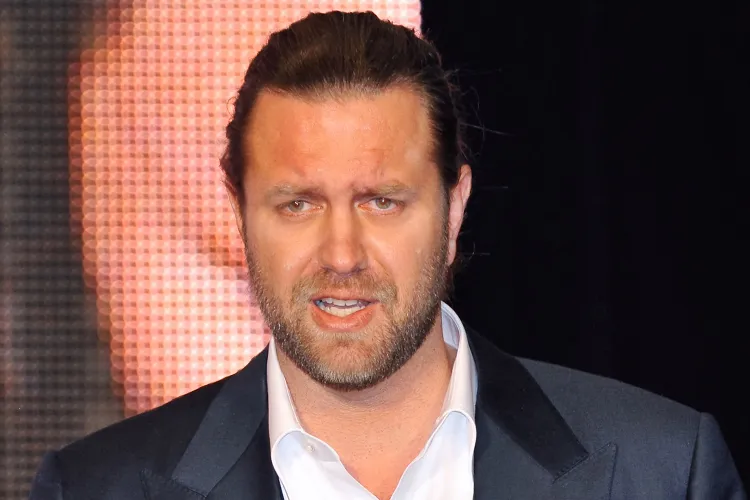

Hollywood director Carl Erik Rinsch has been found guilty of using an $11 million business investment from Netflix to bankroll lavish personal spending.
On Thursday, Dec. 11, the U.S. Attorney’s Office for the Southern District of New York announced in a release that Rinsch had been convicted for his role in what prosecutors described as “a fraudulent scheme” tied to funds that were intended to finish a science fiction TV series called White Horse.
Instead of putting the money into production, Rinsch used the funds “to speculate on cryptocurrency” and to cover personal expenses and luxury purchases. Prosecutors said the spending included at least $1.7 million toward credit card bills; at least $3.3 million on furniture, antiques and mattresses; at least $387,000 on a Swiss watch; and at least $2.4 million for five Rolls-Royces and a red Ferrari.
Rinsch was convicted on one count of wire fraud and one count of money laundering, each carrying a maximum sentence of 20 years. He was also found guilty on five counts of engaging in monetary transactions involving property derived from specified unlawful activity, with each count carrying a maximum sentence of 10 years.
:max_bytes(150000):strip_icc():focal(749x0:751x2):format(webp)/carl-rinsch-new-directors-showcase-121225-1-119a38e0255a4b30bea167aaba94b01d.jpg)
In a statement, U.S. Attorney Jay Clayton said Rinsch “took $11 million meant for a TV show and gambled it on speculative stock options and crypto transactions,” adding that the conviction sends a message that authorities “will follow the money and hold them accountable.”
According to the U.S. Attorney’s release, Rinsch — who directed the 2013 film 47 RONIN starring Keanu Reeves — had partially completed White Horse and signed an agreement with Netflix under which he would be paid for existing episodes while the streamer funded completion of the series.
“Between 2018 and 2019, Streaming Company-1 paid approximately $44 million for White Horse,” the statement said.
Prosecutors said Rinsch later requested additional funding in 2019 and 2020 and received another $11 million, transferred in March 2020 to a company he controlled. The money, officials said, was intended entirely for finishing the series. But “within days,” he allegedly began moving the funds through multiple bank accounts before consolidating them into a personal brokerage account.
Authorities said he then used the money to make “personal and speculative purchases of securities.” Those trades went badly, prosecutors added, and within two months of receiving the $11 million, Rinsch had lost more than half of it.
The director had previously been charged with one count of wire fraud, one count of money laundering and five counts of engaging in monetary transactions in property derived from specified unlawful activity. The case followed allegations that he breached an agreement with a streaming service identified as Netflix by The New York Times.