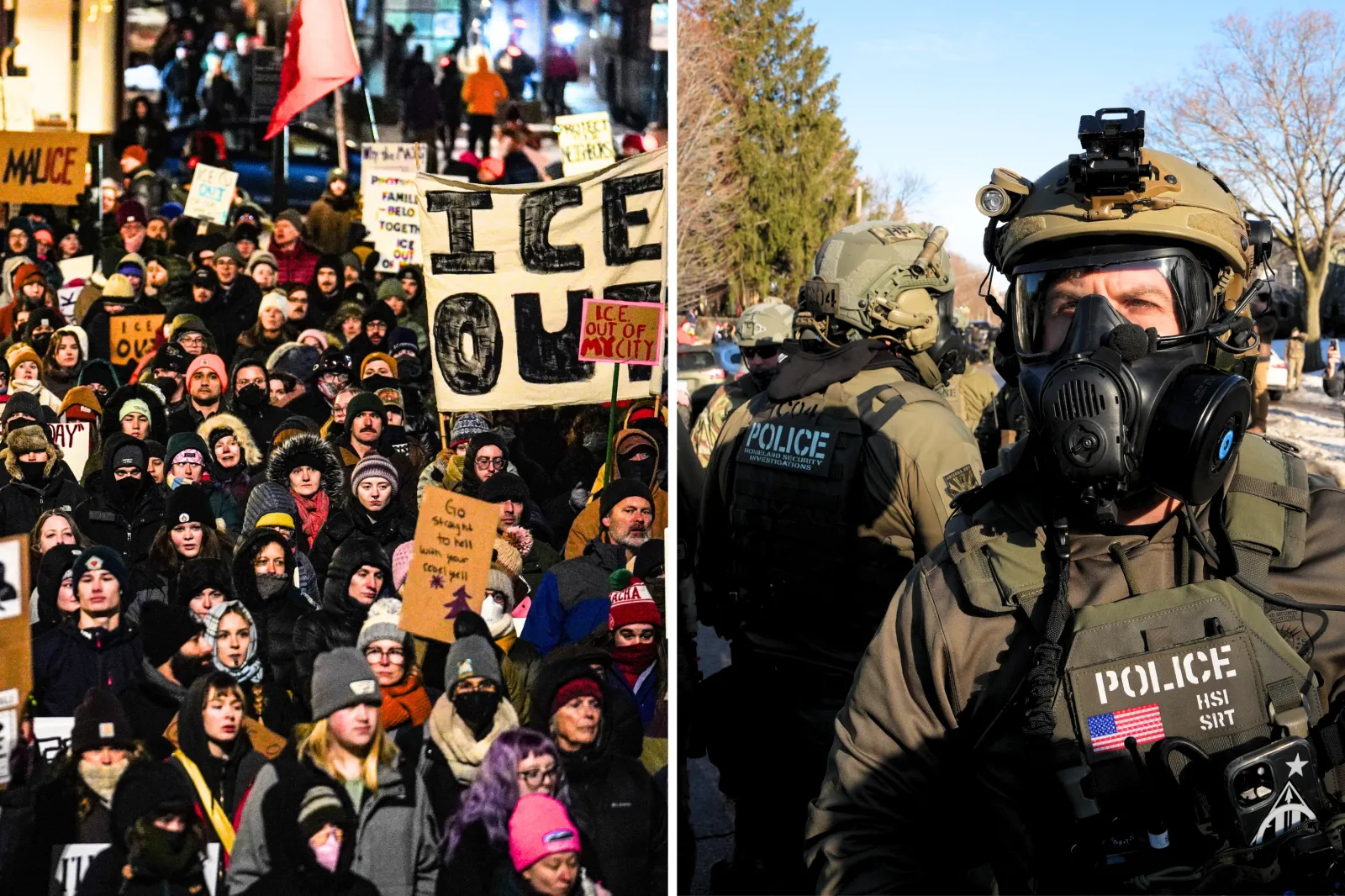

A new Democratic proposal would require Immigration and Customs Enforcement (ICE) and Customs and Border Protection (CBP) officers to wear a “clearly visible, scannable QR code” while carrying out arrests and immigration enforcement operations.
DHS Assistant Secretary Tricia McLaughlin previously told Newsweek: “We aren’t going anywhere. President Donald Trump campaigned on immigration enforcement, the American people voted for it, and Secretary Noem is delivering.”
Why It Matters
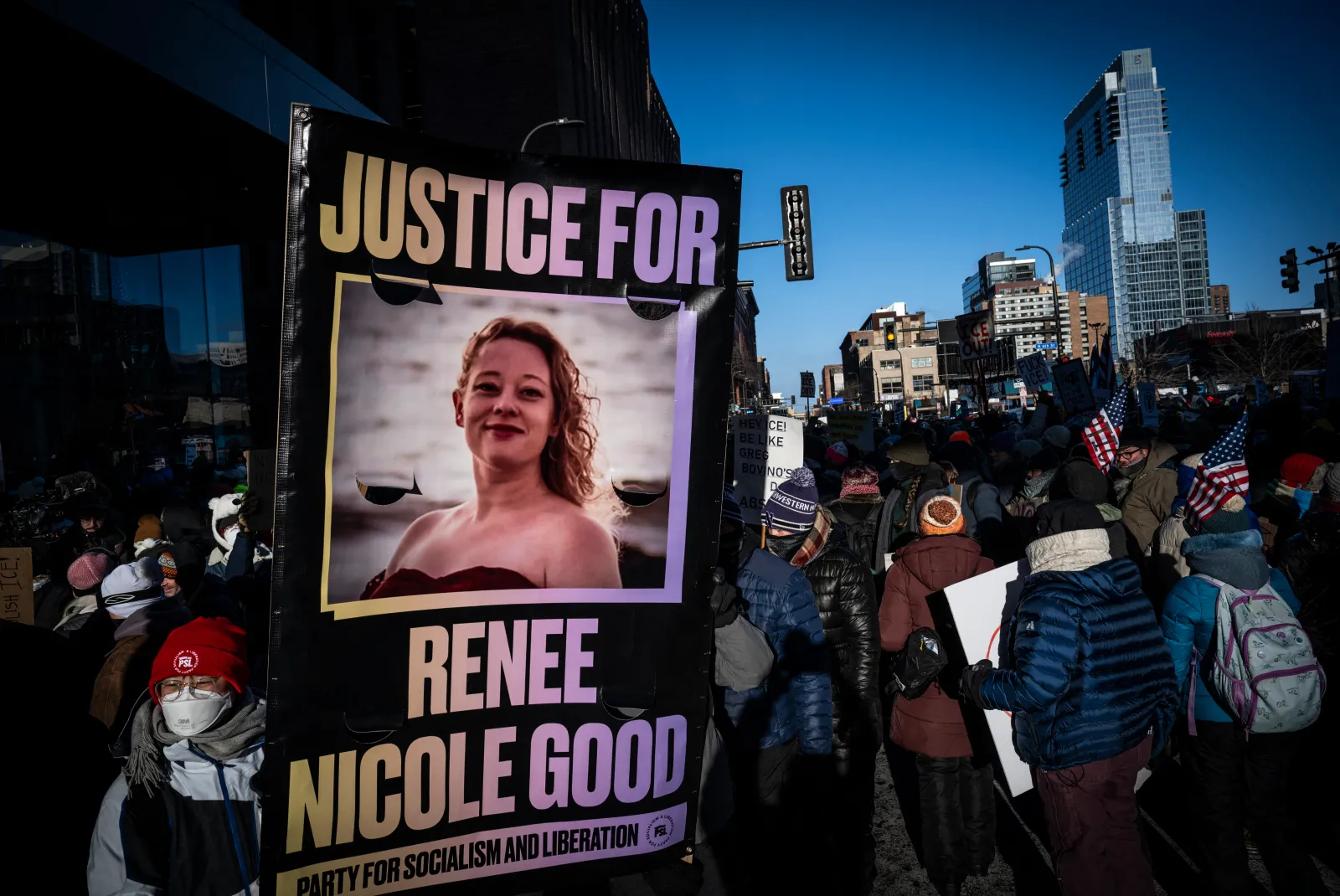
The bill lands amid heightened scrutiny of federal immigration enforcement as protests spread across multiple cities. Tensions have been especially high in Minneapolis following the fatal shooting of Renee Nicole Good, 37, who was shot by an ICE agent during an operation—an incident that has intensified demands for greater transparency and accountability.
What To Know
On Thursday, Democratic lawmakers led by Representative Ritchie Torres of New York introduced legislation that would require ICE and CBP agents “engaged in law enforcement or immigration enforcement activities to wear a clearly visible and scannable QR code.”
The measure, H.R. 7233, known as the Quick Recognition Act, is in the early stages of the legislative process and is awaiting committee action.
It has been referred to the Committee on the Judiciary and the Committee on Homeland Security “for a period to be subsequently determined by the Speaker,” according to the Congress website.
Torres’s office said in a press release, as reported by FedScoop, that the bill is intended to “modernize identification standards for federal immigration enforcement officers and improve transparency during enforcement encounters.”
Torres added: “There is an urgent need to unmask ICE not only physically but digitally. So I have legislation that would require ICE agents to wear uniforms that contain QR codes, which can be scanned by members of the public.”
Democratic Representative Darren Soto of Florida has joined as a co-sponsor, along with Democratic Representative Shri Thanedar of Michigan. Thanedar has also separately launched a push to abolish ICE entirely.
That separate measure—the Abolish ICE Act (H.R. 7123)—would dissolve the agency within 90 days of enactment and rescind its federal funding.
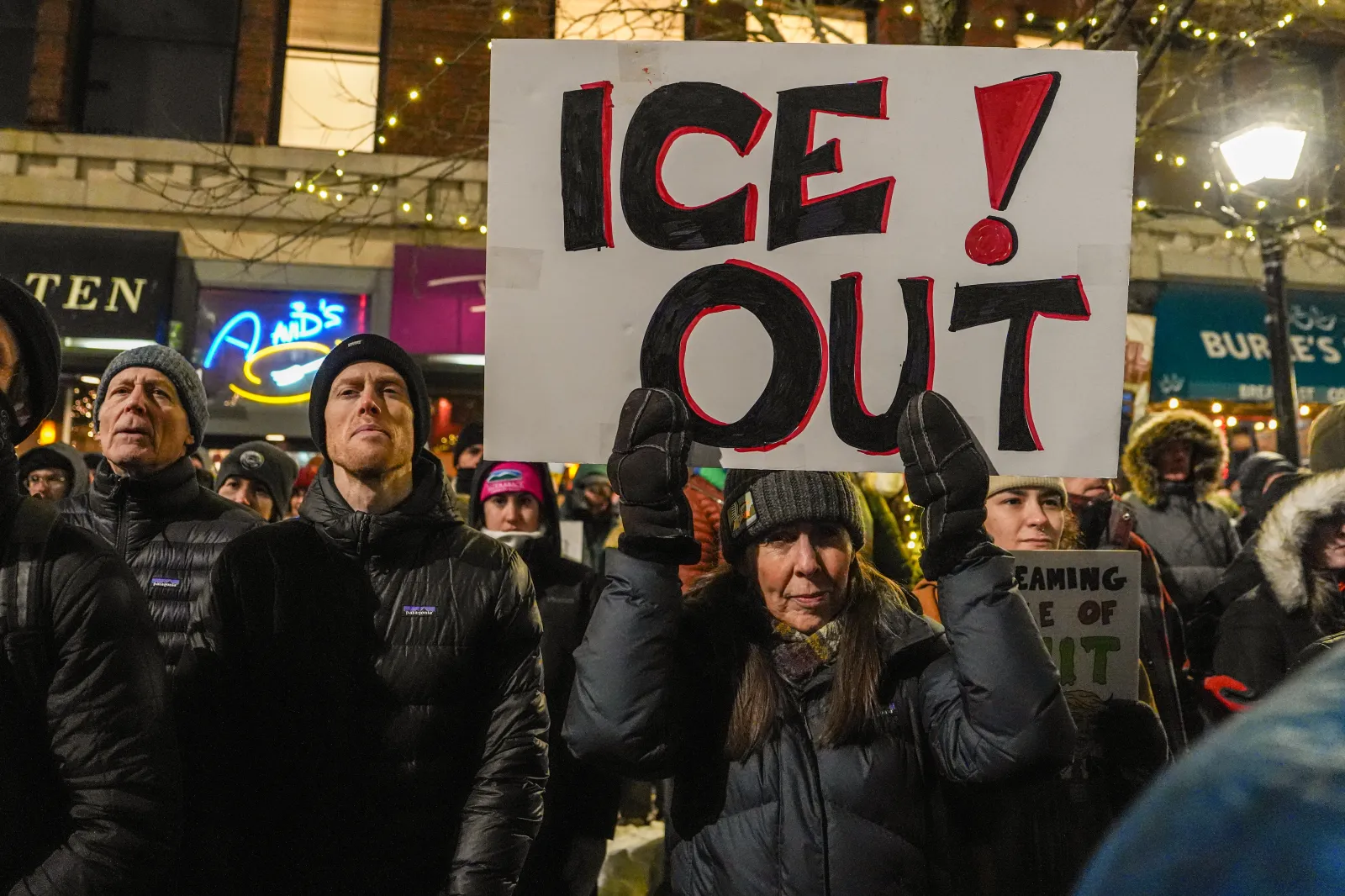
The Good shooting, along with another high-profile shooting of a Venezuelan man days later, has become a political flashpoint, fueling ongoing demonstrations in Minneapolis and at state capitols nationwide. Minneapolis Mayor Jacob Frey warned the situation was “not sustainable,” while DHS officials have defended ICE’s actions as necessary for public safety.
The QR-code proposal arrives as Democrats remain divided over ICE funding and oversight. This week, seven House Democrats—Tom Suozzi (New York), Henry Cuellar (Texas), Don Davis (North Carolina), Laura Gillen (New York), Jared Golden (Maine), Vicente Gonzalez (Texas) and Marie Gluesenkamp Perez (Washington)—drew backlash after joining Republicans to advance a DHS spending bill that includes roughly $10 billion for ICE.
Those Democrats said they were focused on keeping FEMA, TSA, and other core homeland security functions funded, arguing that a lapse in DHS appropriations could disrupt disaster response and airport security—even as they insisted they were not voting to expand ICE enforcement.
Polling has also underscored the political pressure around enforcement tactics. A YouGov snap poll conducted the day of the Good shooting found 52 percent of respondents disapproved of how ICE was doing its job, compared with 39 percent who approved. A 51 percent plurality said ICE’s tactics were “too forceful.” Support for abolishing ICE has climbed from 19 percent in 2024 to 43 percent this month, according to Civiqs data.
What People Are Saying
ICE CIO Dustin Goetz said Thursday at a Washington, D.C., event: “When we talk about the future of ICE and how we’re going to do business, it’s inevitably going to go back to how we’re standardizing data, how we’re consuming it and advertising the data.”
Torres said: “Keep in mind, officers have a responsibility to identify themselves to the public. And scanning a QR code is much safer than asking for a physical ID.”
Thanedar said of his separate bill: “Since ICE’s establishment in 2003, it has prioritized aggressive enforcement and violence rather than due process. Americans are being terrorized.”
McLaughlin told Newsweek in an emailed statement: “Attacks and demonization of ICE are wrong. ICE officers are now facing a 1,300 percent increase in assaults.
“Illegal aliens that ICE is deporting broke our nation’s laws. DHS is a law enforcement agency, and it will continue to carry out immigration enforcement for the safety of Americans who have been victimized by rapists, murderers, drug traffickers, and gang members.
“President Trump campaigned on immigration enforcement, the American people voted for it, and Secretary Noem is delivering.
“For illegal aliens in the country, the safest and most efficient option is self-deportation. Through the CBP Home app, illegal aliens can self-deport and receive financial and travel assistance. President Trump and Secretary Noem have a clear message to illegal aliens: LEAVE NOW.”
What Happens Next
H.R. 7233 has been introduced but must move through committee before any vote can be scheduled. Its path is uncertain: GovTrack currently gives it a 2 percent chance of becoming law, reflecting both partisan gridlock and the wider fight over immigration enforcement policy.
Even if it stalls, the bill signals growing pressure in Congress to impose clearer identification and accountability standards for immigration enforcement—at a time when public trust and political tensions around ICE are under intense strain.