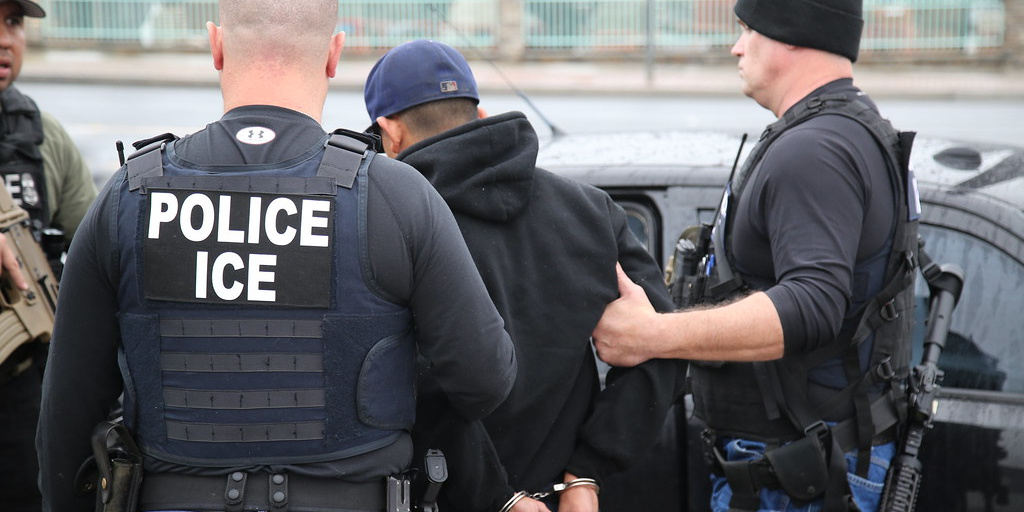

Between 2015 and 2020, U.S. Immigration and Customs Enforcement (ICE) may have deported as many as 70 American citizens, according to a report from the Government Accountability Office (GAO). These individuals were removed from the country despite the fact that U.S. citizens cannot legally be deported under civil immigration law.
The GAO’s findings are based on incomplete records, which reveal that ICE arrested 674 individuals who may have been U.S. citizens, detained 121 of them, and ultimately deported 70 during the five-year period. The actual number may be higher, as both ICE and U.S. Customs and Border Protection (CBP) lack reliable systems to track such errors.
Flawed Procedures and Data Gaps
Two major issues emerged in the GAO’s review: inconsistent officer training and unreliable databases. Although ICE policy requires officers to consult supervisors when someone claims to be a U.S. citizen, training materials contradict this by allowing officers to question individuals on their own—creating room for serious mistakes without proper oversight.
Additionally, ICE’s internal databases do not require officers to update citizenship status after investigations conclude. This means individuals confirmed to be citizens may still be flagged incorrectly in official records, leading to wrongful enforcement actions.
The GAO concluded that ICE “does not know the extent to which its officers are taking enforcement actions against individuals who could be U.S. citizens.”
Separate research from the Transactional Records Access Clearinghouse found that between 2002 and 2017, ICE wrongly identified at least 2,840 U.S. citizens as potentially deportable. Of those, 214 were detained.
Racial Profiling and Lack of Legal Representation
The report also highlights a long-standing issue of racial profiling within immigration enforcement agencies. Communities of color are disproportionately impacted by mistaken arrests, detentions, and deportations.
Since immigrants are not guaranteed free legal representation, some U.S. citizens caught in ICE custody are left to fight for their freedom without an attorney.
One high-profile case involved Davino Watson, a New York-born U.S. citizen who was wrongly held in ICE custody in Alabama for three years. Despite the violation of his rights, a court later ruled he was not entitled to compensation, citing that the statute of limitations had expired.
Watson’s ordeal is just one example of the system’s failures—and the consequences of flawed databases, poor training, and a lack of accountability. Advocacy groups continue to call for urgent reforms to prevent further harm.
The American Immigration Council, a nonpartisan nonprofit, emphasized the need for ICE and CBP to overhaul their procedures for verifying citizenship. Until that happens, U.S. citizens remain at risk of being wrongly targeted for detention and deportation.