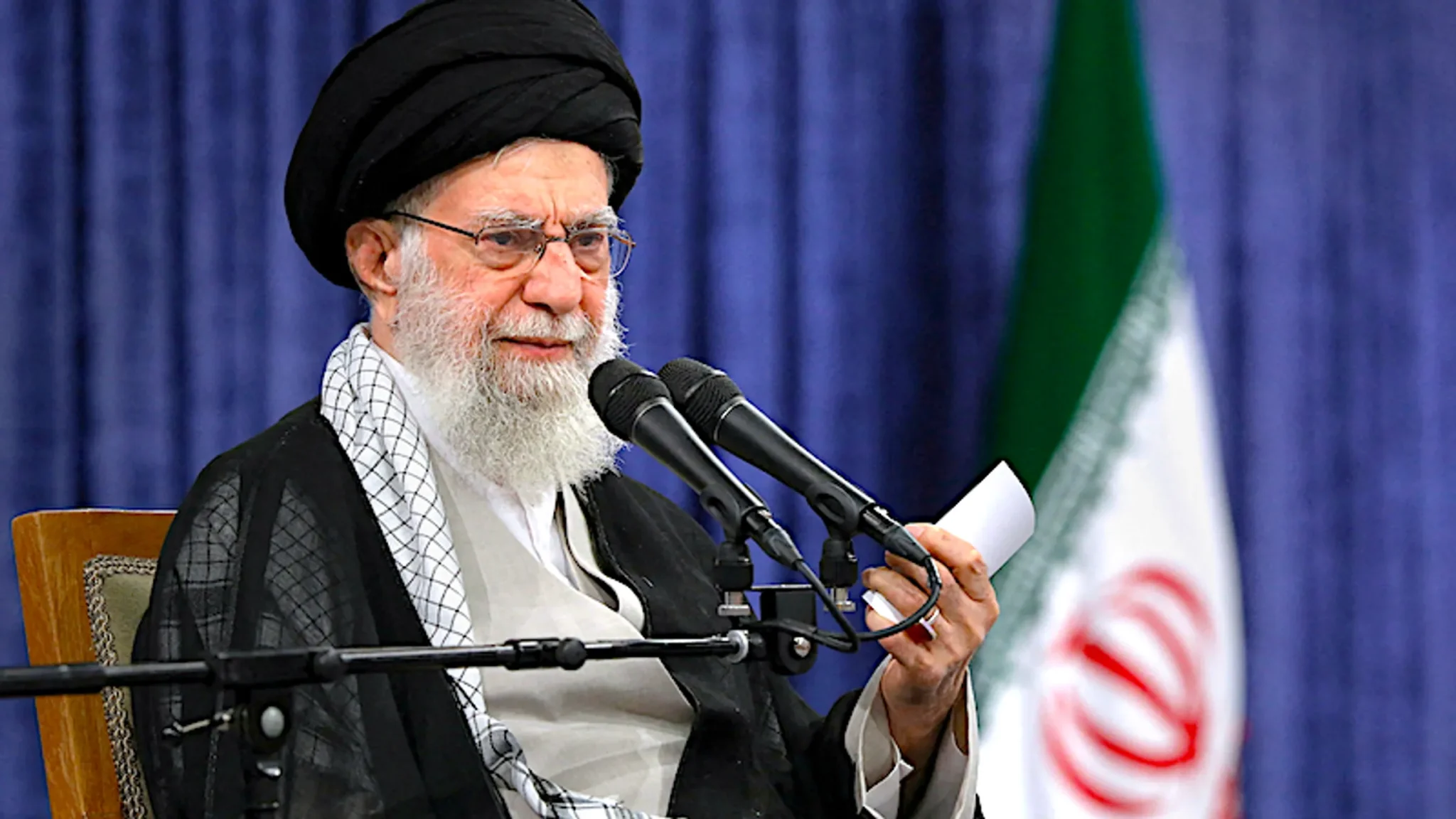

Iran’s Supreme Leader Ayatollah Ali Khamenei has escalated tensions with the U.S. and Israel following a defiant national address, prompting warnings from a former senior U.S. official that his remarks could have deadly consequences.
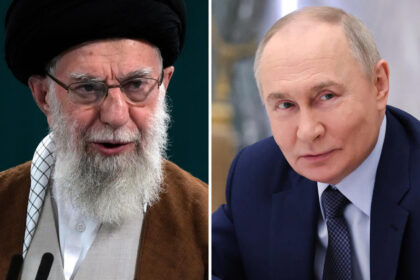
Khamenei declared on Wednesday that Iran would not yield to pressure, even as President Donald Trump considers direct U.S. military involvement in Israel’s ongoing conflict with the Islamic Republic.
“Intelligent people who know Iran, the Iranian nation, and its history will never speak to this nation in threatening language,” Khamenei said in a televised speech. “The Iranian nation will not surrender. The Americans should know that any U.S. military intervention will undoubtedly cause irreparable harm to them.”
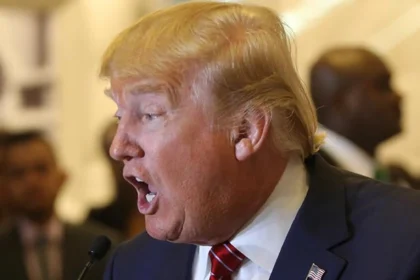
President Trump has repeatedly stated he knows Khamenei’s location and continues to demand Iran’s “complete give-up” as he weighs the possibility of joining Israel’s military campaign. U.S. officials say the president is growing more inclined toward action following Iran’s recent threats and refusal to negotiate.
Former Deputy Assistant Secretary of State Joel Rubin, who served under President Barack Obama, told CNN This Morning that Khamenei’s address may have crossed a line.
“My first thought after hearing the readout of the supreme leader’s speech is that he may very well have signed his own death warrant,” Rubin said. “This kind of rhetoric is what brought us to this dangerous moment.”
Rubin explained that multiple diplomatic off-ramps had been offered to Iran over the years, including during the Trump administration. He referenced a recent proposal from Secretary of State Marco Rubio, offering Iran a peaceful civilian nuclear program in exchange for halting uranium enrichment—a proposal Iran ultimately rejected.
“The supreme leader continues to push Iran in this direction,” Rubin said. “This is becoming a pivotal moment.”
Israel launched the first round of strikes against Iran’s nuclear infrastructure last week, including a major attack on the Natanz enrichment facility. Rubin noted that another strike on Iran’s Fordo facility, buried deep beneath a mountain, is highly likely and strategically necessary.
“Fordo is the linchpin,” Rubin explained. “If it’s not hit, Iran retains the capacity to quickly enrich uranium to weapons-grade levels. That would put us in a situation where they could attempt to test a crude nuclear device. That’s a trap we can’t afford to fall into.”
The growing tensions follow weeks of escalating conflict between Iran and Israel, and uncertainty over whether the U.S. will formally join the hostilities. Both military and diplomatic efforts remain in flux as leaders weigh the risks of deeper involvement.