
BEERSHEBA, Israel — Israel and Iran have agreed to a ceasefire proposed by U.S. President Donald Trump, signaling a possible end to their 12-day conflict that has shaken the Middle East. The announcement followed a deadly exchange of missile strikes, including Iran’s limited retaliatory attack on a U.S. military base in Qatar.
Hours before the ceasefire was to take effect, Iran launched a barrage of missiles into Israel, killing at least four people and damaging several residential buildings. In response, Israel carried out a series of heavy airstrikes across Iran. Despite the agreement, Israel’s military reported detecting another round of Iranian missile launches after the ceasefire officially began, raising fears the truce may not hold.
Netanyahu Declares Ceasefire Victory
Israeli Prime Minister Benjamin Netanyahu said Israel had accepted the ceasefire after achieving all of its objectives, including damaging Iran’s military leadership, nuclear facilities, and gaining temporary control over Iranian airspace.
“Israel will respond forcefully to any violation of the ceasefire,” Netanyahu warned, as Israeli sirens blared and explosions echoed in northern parts of the country Tuesday morning.
President Donald Trump confirmed the ceasefire on Truth Social, writing, “THE CEASEFIRE IS NOW IN EFFECT. PLEASE DO NOT VIOLATE IT!”
Conflicting Signals from Iran
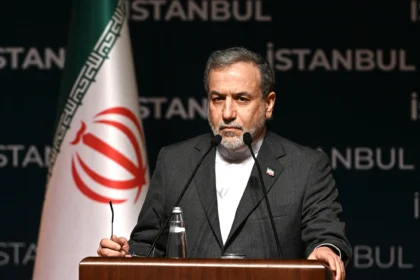
Iranian state TV reported that fighting had stopped as of 7:30 a.m. local time. However, Iranian Foreign Minister Abbas Araghchi posted earlier on X (formerly Twitter) that while Iran had stopped its strikes in response to Israeli aggression, there was no formal ceasefire agreement.
“There is NO ‘agreement’ on any ceasefire,” Araghchi wrote, but added that Iran would stop its attacks if Israel halted theirs.
Iran’s government has not commented further since Trump’s announcement.
Civilian Casualties Mount
Before the ceasefire, Iran launched 20 missiles into southern Israel, hitting residential areas in Beersheba. Four people were killed and at least 20 injured. Emergency workers searched through rubble and damaged buildings, while burned-out vehicles lined the streets.
Israeli officials said some residents were injured even while inside designated safe rooms, which are not built to withstand direct hits from ballistic missiles.
The U.S. Role in the Ceasefire
Trump announced the ceasefire late Monday, describing the conflict as the “12 Day War,” a phrase that echoes the 1967 Six-Day War in which Israel seized multiple territories. The name carries deep political and emotional significance in the region.
A White House official said Trump spoke directly with Netanyahu, while other officials—including Vice President JD Vance, Secretary of State Marco Rubio, and Middle East envoy Steve Witkoff—communicated with Iran via direct and indirect channels. Qatar played a key role in brokering the deal, especially after Iran’s strike on the U.S. Al Udeid Air Base.
Though Iran warned the U.S. about the strike in advance, allowing American forces to avoid casualties, the attack highlighted the escalating danger.
Airspace Disruptions and Flight Cancellations
Iran’s missile barrage forced Israel to temporarily close its airspace. Emergency flights were grounded, and some planes circled the Mediterranean while waiting to land. Israel’s airports had been closed since the war began, though limited flights had resumed days prior.
Meanwhile, Qatar Airways resumed operations Tuesday morning after shutting down flights during the attack on the Al Udeid base.
Heavy Losses on Both Sides
According to the Washington-based Human Rights Activists group, Israeli strikes in Iran have killed at least 974 people, including 387 civilians and 268 members of Iran’s security forces. Another 3,458 people were wounded.
In Israel, at least 28 people have been killed and more than 1,000 injured.
The U.S. government has evacuated around 250 American citizens and their families from Israel since the weekend, with many more still believed to be in the country.