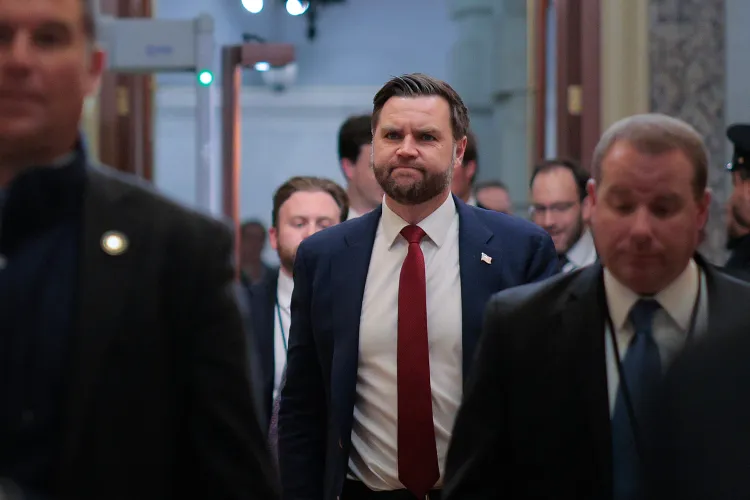

Vice President J.D. Vance is traveling to Minneapolis this week to meet with ICE agents and local officials, describing the trip as an attempt to “turn down the chaos” in the city. Previewing his message, Vance said his advice would be blunt: “If you want to turn down the chaos in Minneapolis, stop fighting immigration enforcement and accept that we have to have a border in this country. It’s not that hard.” He added that part of his goal is to “calm the tensions, to talk to people, to try to understand what we can do better.”
The visit comes two weeks after the fatal shooting of Renee Good, a Minnesota mother of three, by an ICE agent during an enforcement action. The incident quickly went viral and reignited a national debate over the agency’s conduct under the Trump administration’s immigration approach. Good’s death has sparked protests and intensified scrutiny of ICE activity in sanctuary cities, including Minneapolis.
Critics are casting Vance’s trip as more performance than problem-solving. Richard Carlbom, chair of the Minnesota Democrats, accused Vance of using the city “as a political backdrop” to defend ICE. “JD Vance isn’t serious about accountability,” Carlbom said. “He’s here to do Trump’s dirty work: defending disgusting ICE actions like the tragic killing of Renee Good.”
The White House, meanwhile, has framed Vance’s mission as a warning about the dangers of Minneapolis’ sanctuary city policies—and as a show of support for ICE agents working to remove what it calls dangerous criminal immigrants from the streets. Ahead of the visit, Border Patrol Commander Greg Bovino claimed agents had been “violently assaulted by agitators and anarchists.” In the same tense atmosphere, hundreds of military police troops have been placed on alert after President Trump warned he could invoke the Insurrection Act if local authorities do not clamp down on what he described as attacks on ICE.
Vance’s Minneapolis stop underscores the widening clash between federal immigration enforcement and local sanctuary policies—now sharpened by a high-profile death, street protests, and escalating rhetoric over border security, ICE tactics, and political accountability.