
A federal judge has ordered oversight of Los Angeles’ homelessness programs, citing the city’s failure to meet key obligations in a 2022 court settlement requiring the addition of 12,915 shelter beds by 2027.
U.S. District Judge David Carter ruled that the city must appoint a third-party monitor and attend quarterly, in-person hearings to account for its progress. The ruling comes after multiple failures by the city to verify and deliver on its homelessness pledges.
The 2022 settlement between the City of Los Angeles and the LA Alliance for Human Rights required the city to build thousands of new shelter or housing units by June 13, 2027. But Carter found that half of the city’s reported new beds were either not operational or could not be verified — and some may not exist at all.
A key issue is the city’s controversial Inside Safe program, which places homeless individuals in hotel rooms at high cost. The judge noted that the city inflated its progress by counting nearly 2,000 Inside Safe beds in its tally — even though many are temporary placements and lack supporting documentation.
The program has drawn scrutiny for its costs and limited impact. In 2023, The Center Square revealed that Los Angeles was spending over $17,000 per homeless person per month through Inside Safe. More recent city data shows that room and board alone now cost about $7,000 per month per person — totaling $84,000 annually, more than the city’s median household income.
City Controller Kenneth Mejia’s report found that the program had cost taxpayers $341 million while successfully transitioning just 30 people into unsubsidized housing.
Judge Carter also criticized the Los Angeles Homeless Services Authority (LAHSA), the agency overseeing homelessness programs, for failing to monitor whether contractors delivered the services they were paid for. A review found that more than half of contract oversight reports lacked verification, and some had no documentation at all.
The judge cited an audit of 1,106 reported beds, which found that 28% were not open or usable and another 24% lacked any proof of existence. Despite the city claiming it had created 6,724 beds as of March 2025 — just shy of its milestone — much of that increase came from the disputed Inside Safe numbers.
Carter opted not to place the city’s homelessness response under full receivership, saying that would be a “last resort.” Instead, he ordered stricter monitoring and compliance steps, noting recent public and political pressure has spurred some reform.
“Only the voters of Los Angeles have the power to elect representatives to solve these problems,” Carter wrote. He acknowledged efforts to restructure LAHSA and said elected officials deserve a chance to fix the system.
The Los Angeles County Board of Supervisors recently withdrew funding from LAHSA, and it’s unclear if the city will continue to support or attempt to replace the agency.
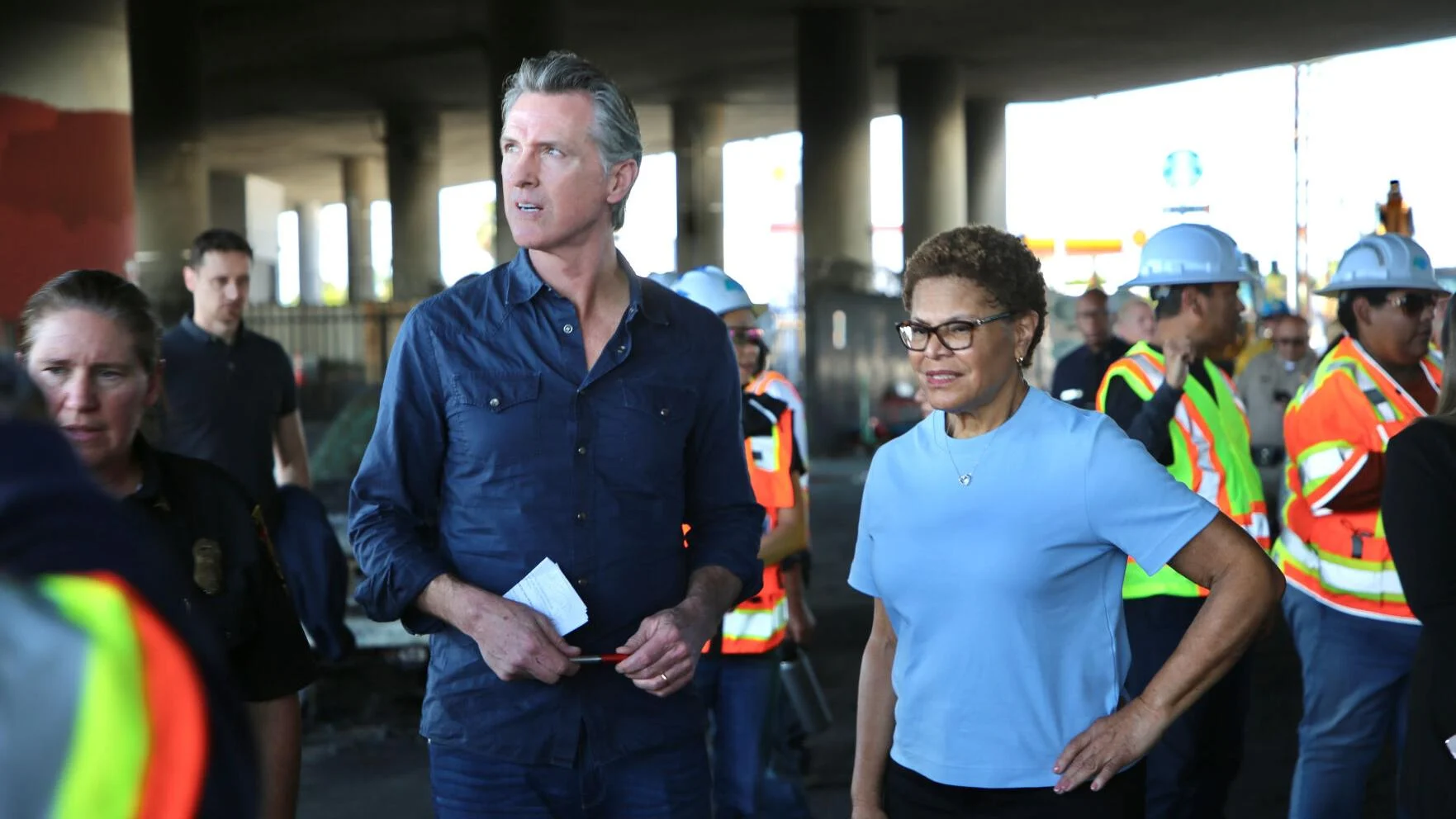
Mayor Karen Bass responded to the ruling by defending Inside Safe. On Friday, she announced a new operation in Highland Park that moved “more than 45” homeless individuals indoors.
“Through more than 100 operations, Inside Safe has and will continue to save lives,” Bass said. “It is urgently bringing Angelenos inside to restore communities near schools, churches, and businesses.”
Despite the mayor’s optimism, the judge’s ruling makes clear: Without independent oversight and verified results, Los Angeles remains far from meeting its legal and moral commitments to address homelessness.