A federal judge on Wednesday cautioned Justice Department officials that continued public comments regarding the case against Luigi Mangione—the man accused of killing a health insurance executive last year—could lead to sanctions for violating rules that restrict what prosecutors can say publicly about a defendant’s guilt before trial.
Judge Margaret Garnett, who is presiding over Mangione’s federal case, said in an order that at least two DOJ officials likely breached court rules by reposting recent comments made by President Donald Trump about Mangione. Garnett described these actions as appearing “to be in direct violation” of court regulations.
Mangione, 27, has pleaded not guilty to charges of murdering UnitedHealthcare CEO Brian Thompson on Dec. 4, 2024. Federal prosecutors are seeking the death penalty. He also faces separate state charges, to which he has pleaded not guilty. Earlier this month, a state judge in New York dismissed terrorism charges against Mangione.
Garnett’s order followed a filing Tuesday from Mangione’s attorneys, who argued that statements by several Trump administration officials had endangered his right to a fair trial. The filing included screenshots the defense said showed DOJ officials reposting Trump’s remarks about Mangione.
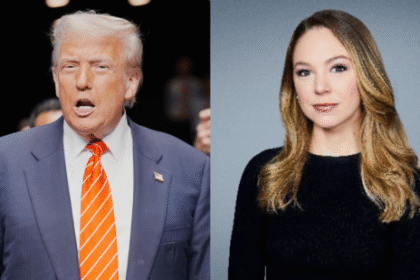
During a Sept. 18 appearance on Fox News, Trump said Mangione had “shot someone in the back as clear as you’re looking at me.” He added, “He shot him right in the middle of the back, instantly dead.”
The following day, a DOJ spokesperson reposted a video clip of Trump’s comments on X, according to the letter Mangione’s attorneys sent to the court.
“@POTUS is absolutely right,” the spokesperson, Chad Gilmartin, wrote in the now-deleted post, which was also reposted by Brian Nieves, an associate deputy attorney general, according to the screenshots submitted by the defense.
Garnett wrote that the two top-ranking DOJ officials mentioned in the defense letter “appear to be in direct violation” of court rules and a prior court order barring such statements.
The judge ordered the DOJ to explain by Oct. 3 how the violations occurred and what steps are being taken to prevent a recurrence.
“Future violations may result in sanctions, which could include personal financial penalties, contempt of court findings, or relief specific to the prosecution of this matter,” Garnett wrote.
The DOJ declined to comment Wednesday.