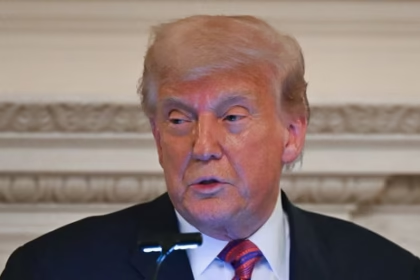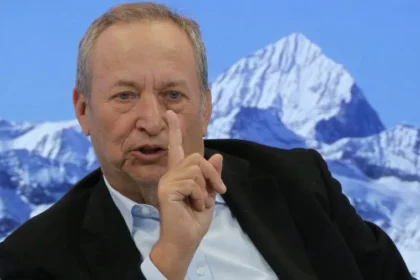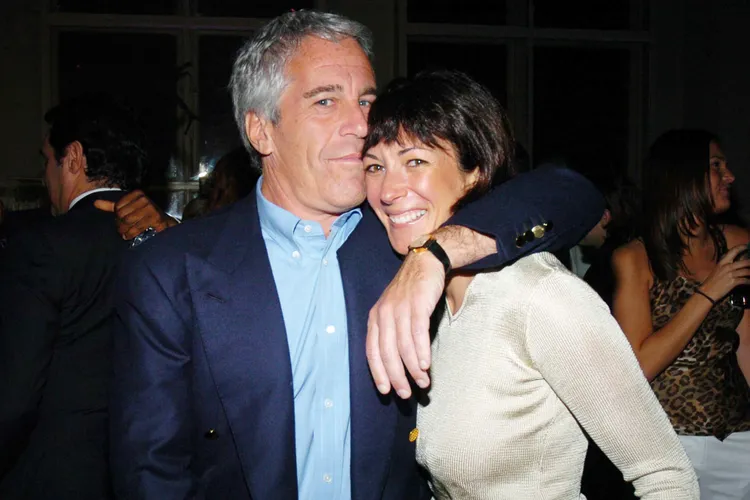

Each major batch of documents and photos connected to Jeffrey Epstein has reignited public interest—and Friday’s large release is no exception. Several well-known public figures are referenced or appear in materials included in the initial disclosure.
Why It Matters
The release of records under the Epstein Files Transparency Act marks a significant development in a case that has drawn intense scrutiny for years and repeatedly raised questions about powerful people’s proximity to Epstein. The mandate—signed into law by President Donald Trump—requires the government to make unclassified Epstein-related records public, with certain protections in place. Supporters of the law argue the disclosures could help the public better understand the scope of a scandal involving sex trafficking and abuse of underage girls, and the networks that surrounded it.
What To Know
On Friday, the Department of Justice began releasing hundreds of thousands of files tied to Epstein, a financier whose relationships with prominent individuals—and criminal conduct—became the focus of federal investigations and global headlines. The first tranche includes items such as emails, photographs, flight logs, and property-related records.
Under the law, unclassified Epstein-related materials must be disclosed publicly. At the same time, the release allows redactions to protect victims’ identities and to withhold information connected to ongoing investigations.
It’s important to note that being named in these documents does not automatically imply wrongdoing. The records contain everything from correspondence and travel information to social interactions—some of which has already been discussed in past investigations, lawsuits, or court proceedings. Many people previously identified as Epstein associates have denied knowledge of, or involvement in, his criminal behavior.
Public figures and celebrities named in the documents or visible in photographs include:
- Former President Bill Clinton
- Kevin Spacey
- Michael Jackson
- Diana Ross
- Comedian Chris Tucker
- Rolling Stones singer Mick Jagger
- Sarah Ferguson, ex-wife of former Prince Andrew
- Richard Branson
The appearance of these names reflects a wide range of possible connections—from social encounters to professional communications to private meetings. Several names, including Clinton and Trump, have surfaced repeatedly in long-running litigation and extensive media coverage related to Epstein.
Epstein’s relationships with high-profile figures stretched across decades. Flight logs and emails reference visitors and attendees connected to gatherings at his various properties. The document set also includes survivor testimony, depositions involving associates, and email exchanges with political and business figures. Some materials—such as certain photographs involving well-known individuals—have previously circulated through congressional inquiries and media investigations. Many of those referenced have issued statements in the past denying involvement in Epstein’s crimes or denying knowledge of his alleged activities.
What People Are Saying
Representative Ro Khanna, the sponsor of the Epstein Files Transparency Act, told CBS News: “The fact they are even releasing hundreds of thousands of these is a historic moment for survivors across our nation.”
Former Vice President Kamala Harris questioned whether the release would be complete, telling Jimmy Kimmel the agency had been treated “like a personal law firm.”
Angel Ureña, a spokesperson for former President Clinton, told The Guardian: “President Clinton knows nothing about the terrible crimes Jeffrey Epstein pleaded guilty to in Florida some years ago, or those with which he has been recently charged in New York.”
What Happens Next
The Department of Justice says additional documents will be released in further tranches as required by the Epstein Files Transparency Act. Survivor advocates continue pressing for maximal transparency, while some individuals named in the records may face renewed public scrutiny regarding the nature of their interactions with Epstein.
Congressional oversight committees are expected to review how redactions were handled and may call additional witnesses. The Justice Department is also required to submit to Congress a list of any redacted or withheld documents within 15 days of the public release, and it is prohibited from withholding records solely due to “embarrassment or political sensitivity.”