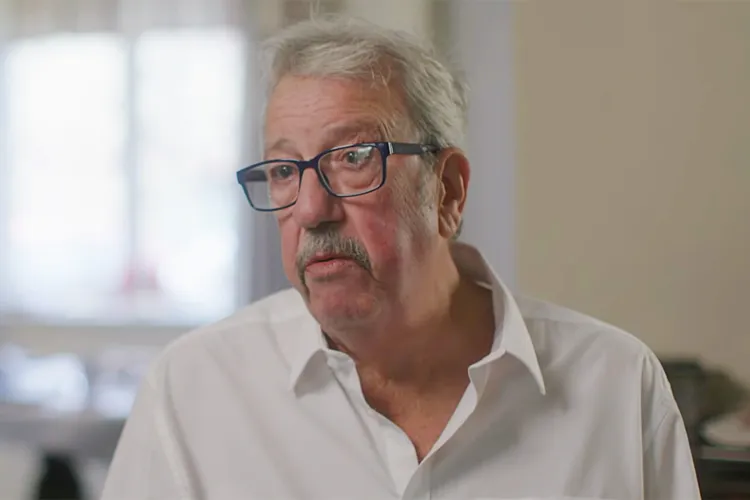

ESSEX, U.K. — Roy Ridley, a 78-year-old widower, is shedding light on the “silent epidemic” of elderly isolation, revealing how the loss of his wife and adult son led to a total collapse of his social circle—and the unconventional steps he is taking to rebuild his life.
In a poignant account recently published in The Telegraph, Ridley detailed the harsh reality of “social evaporation” that often follows a major bereavement. Despite a 32-year marriage characterized by frequent hosting and a vibrant social life, Ridley found himself profoundly alone within months of his wife Sandra’s death in 2009.
The Phenomenon of ‘Social Evaporation’
The grieving process is often supported by a surge of initial community outreach, but Ridley’s experience highlights a common, darker trend: the long-term withdrawal of “fair-weather” friends.
“I realized that Sandra and I had always been ‘givers,’” Ridley noted. “When I had nothing to give, they [friends] were no longer interested in engaging with me.”
This shift forced Ridley into a period of deep isolation, exacerbated by the 2022 death of his 44-year-old son, Robert, from bronchial pneumonia. Data suggests that Ridley’s experience is not unique; according to recent studies on aging, social isolation in the elderly can be as detrimental to health as smoking 15 cigarettes a day.
Re-Engaging Through Community and Travel
To combat the silence of an empty home in Essex, Ridley sought out Re-engage, a charitable organization dedicated to connecting individuals over 75 through monthly tea parties. The initiative provides more than just a meal; it offers a structured environment for seniors to maintain cognitive health and personal pride.
Key benefits cited by Ridley include:
- Mental Stimulation: Engaging in conversation keeps the mind active and “fresh.”
- Self-Care Motivation: The social expectation of meeting others encourages dressing well and maintaining a routine.
- Logistical Support: Volunteers provide transportation, removing the mobility barrier that often leads to isolation.
“Meeting new people helps me look after myself,” Ridley said, noting that these interactions make him feel decades younger than his 78 years.
The ‘Inverted’ Retirement: Solo Travel as Therapy
Beyond local community efforts, Ridley has embraced solo travel—specifically cruising—as a primary tool for social survival. By taking approximately four cruises a year, he replicates the adventurous lifestyle he once shared with his family, now tailored for a solo traveler.
While Ridley admits that re-entering the social world is “more difficult” than people assume—likening it to a skill that rusts without use—he emphasizes the necessity of resilience.
A Look Ahead: The Future of Elderly Social Policy
Ridley’s story surfaces at a critical time as Western nations grapple with aging populations and the rising costs of loneliness-related healthcare. Organizations like Re-engage are increasingly seen as vital “social prescriptions” that can reduce the burden on formal medical systems by improving mental health outcomes for the elderly.
For Ridley, the path forward is a blend of honoring the past—through a memory box of his wife’s photos—and a disciplined commitment to the present. “What’s important is that you keep going,” he stated. “You keep strong, and you carry on.”