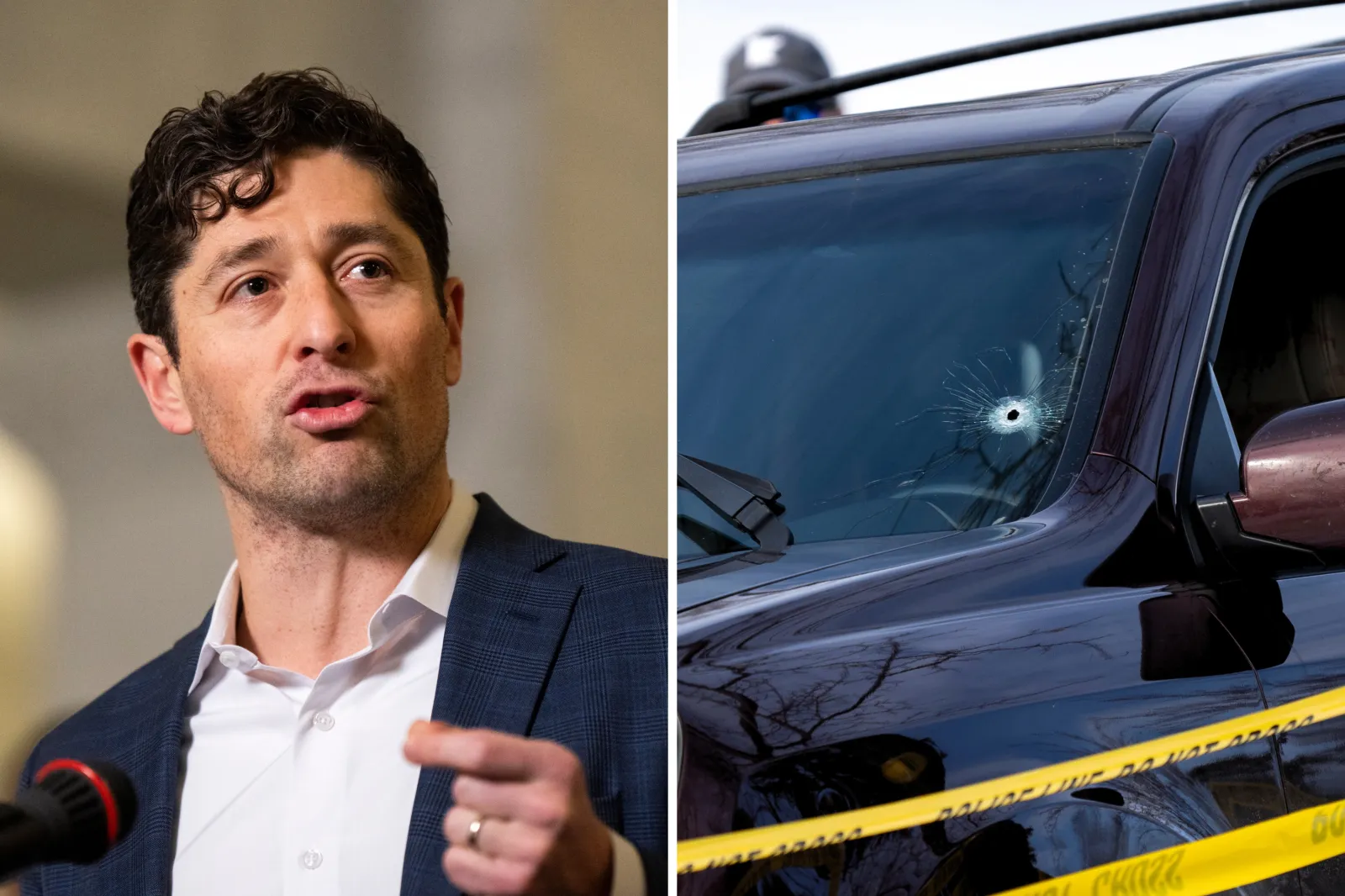

Democratic Minneapolis Mayor Jacob Frey is pushing back against newly released footage showing the moments before Renee Nicole Good was killed, after an ICE agent shot her during a traffic stop. Frey argues the video does not support claims that the agent acted in self–defense.
A Department of Homeland Security (DHS) spokesperson said Frey is dismissing footage that, in the agency’s view, backs up what Homeland Security Secretary Kristi Noem has said about the incident.
Why It Matters
Good’s death has intensified national debate over federal enforcement tactics, transparency, and accountability when lethal force is used. The release of video from an agent’s viewpoint has sharpened the dispute over what happened in the seconds before shots were fired—and whether the shooting was justified.
The case has also exposed a broader political divide: federal officials describe the encounter as a serious threat to law enforcement, while city leaders say the public deserves an independent, credible investigation.
What To Know
On Wednesday, ICE officer Jonathan Ross shot and killed Good, a 37-year-old Minneapolis-based immigration activist, poet, and mother, during a traffic stop in a residential neighborhood.
The incident occurred as ICE officers carried out enforcement operations tied to a broader crackdown under President Donald Trump’s administration.
Newly released cellphone footage—first shared by Alpha News—shows a tense exchange at the stopped vehicle. Good’s wife is seen speaking with officers outside the car. Officers issue a series of commands. After Good reverses and then moves the vehicle forward, multiple gunshots are fired by an ICE agent.
DHS has described the incident as part of what it called a situation involving “violent rioters” who tried to run over officers, calling it “an act of domestic terrorism.”
Frey has forcefully rejected the self-defense framing. After viewing the footage, he said claims the shooting was justified were “bulls—.”
He also appeared unconvinced by the newly aired clip when it was shown to him during ABC’s World News Tonight in a report that aired Friday.
Frey said: “He walked away with a hop in his step from the incident. There’s another person that’s dead. He held on his cell phone. I think that speaks for itself.”
DHS maintains that Good “weaponized her vehicle in an attempt to kill or cause bodily harm to federal law enforcement,” and that the officer “acted in self-defense.”
Minneapolis officials—including Frey—have disputed that account. Surveillance footage was described as showing Good’s vehicle blocking the road and letting out a passenger before the shooting. ICE sources have alleged Good harassed agents and blocked their vehicles during the operation.
What Officials Are Saying
DHS Assistant Secretary Tricia McLaughlin said the footage supports DHS’s position that Good tried to harm officers with her vehicle and that the agent fired in fear for his life and the lives of others.
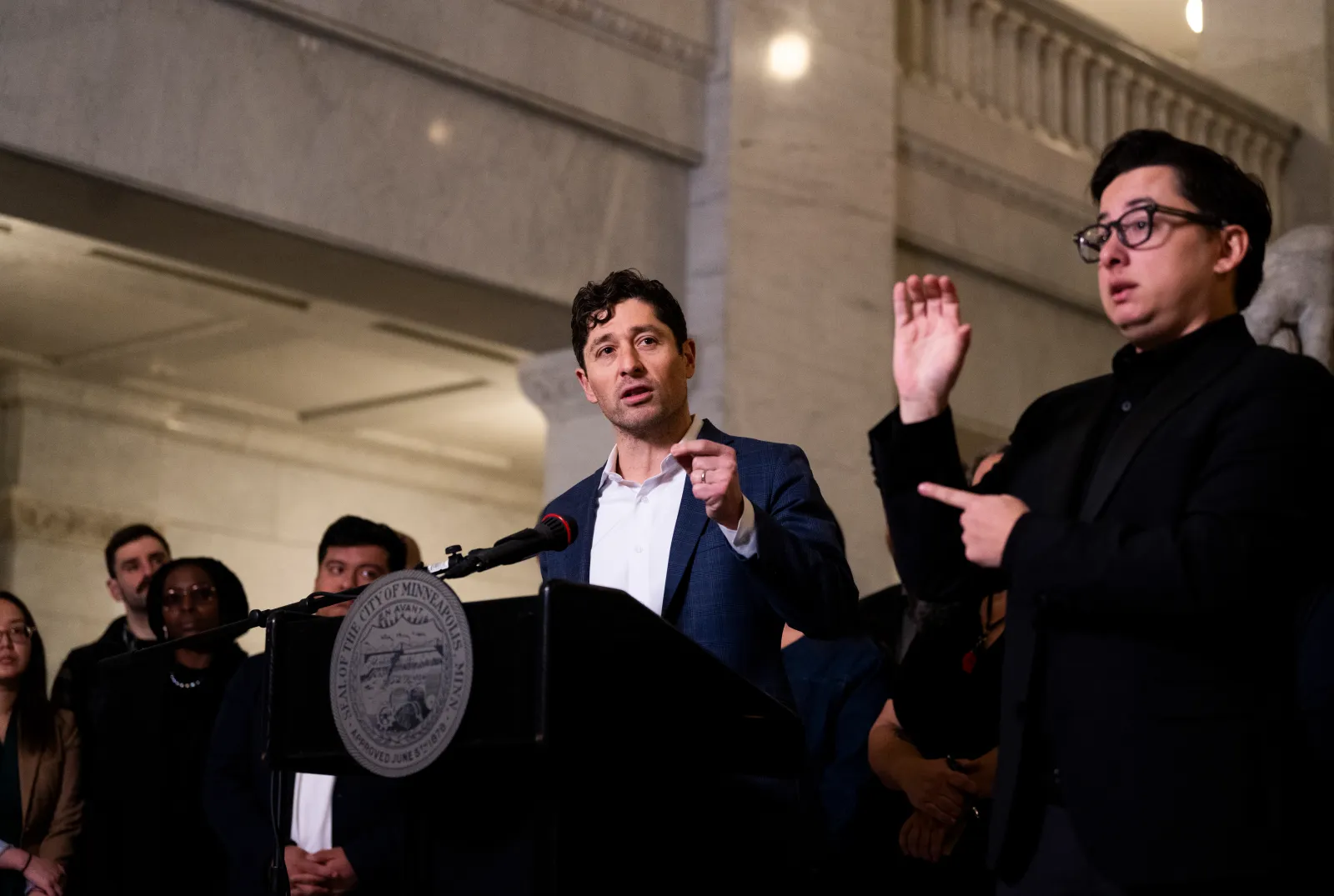
Frey said: “I think an investigation could change or affirm my perspective. But we’ve [all got] two eyes, and I can see a person that is trying to leave. I can see an ICE agent that was not run over by a car. That didn’t happen.”
He added at a press conference that the city wants outside involvement in the case and urged investigators to “embrace the truth,” saying Minneapolis wants a fair process.
Vice President JD Vance shared the video on X and said the footage shows the agent’s life was endangered and that he fired in self-defense.
White House Press Secretary Karoline Leavitt also reposted the video, accusing the media of unfairly attacking the agent and arguing the footage shows he acted properly during an active operation.
What Happens Next
The FBI has taken over the investigation and removed the Minnesota Bureau of Criminal Apprehension from the process—a decision Minneapolis officials have criticized as undermining public confidence.
Frey and other local leaders want the Bureau of Criminal Apprehension reinstated, arguing that federal-only control of the probe weakens trust. He said: “If you got nothing to hide from, then don’t hide from it.”
Protests have continued in Minneapolis, with community members and activists demanding greater accountability from federal law enforcement. The case is likely to remain a flashpoint in national arguments over immigration enforcement and the use of force, with potentially significant legal and political consequences.