
In a move aimed at tightening oversight and combating systemic fraud, the Minnesota Department of Human Services (DHS) has disenrolled roughly 800 Medicaid providers from the state’s Medicaid program.
According to DHS, these providers were removed because they had not billed for Medicaid services in more than a year. In a press release, the department said the step is intended to “strengthen the integrity of Minnesota’s Medicaid programs and services (1).”
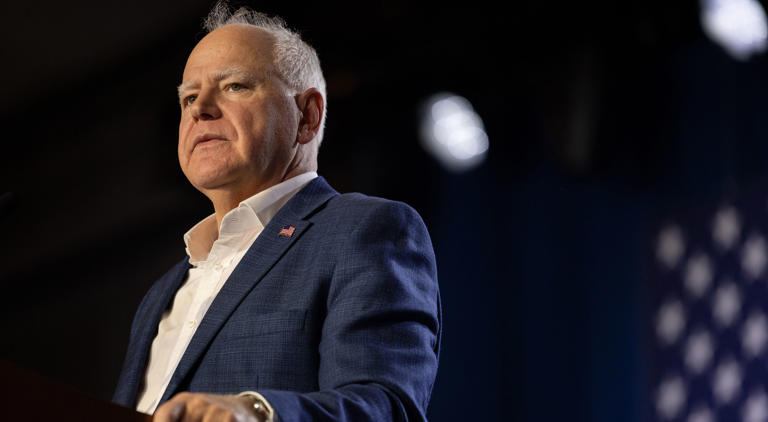
The action aligns with Governor Tim Walz’s Executive Order 25-10, which directs state agencies to expand efforts to prevent fraud. The governor reportedly instructed DHS to “immediately disenroll all Minnesota Health Care Program enrolled providers who have not billed Medicaid in the last 12 months.”
DHS also described the 800 removals as the “first round” of disenrollments, suggesting additional actions could follow in the coming months.
A broader fraud crackdown
After President Trump began his second term, his administration moved quickly to target federal health programs such as Medicaid, promising to reduce what he called “waste, fraud and abuse” in the health care system. Trump also targeted Medicaid through his “One Big Beautiful Bill,” which cut 15% of Medicaid’s funding, according to health policy nonprofit KFF (2).
The nonpartisan Congressional Budget Office found that Trump’s bill would result in more than $1 trillion in Medicaid cuts by 2034, with 11.8 million additional Americans losing health insurance over the next 10 years, according to the New York Times (3).
With federal attention on fraud in health care, some states are stepping up enforcement efforts of their own. In addition to Minnesota’s actions under Governor Walz, Texas Senator Ted Cruz has also pledged to crack down on what he described as “massive fraud” within Medicaid.
How significant are waste and fraud concerns?
As KFF reports, House Speaker Mike Johnson addressed Medicaid in March 2025, calling the program “hugely problematic because it has a lot of fraud, waste and abuse (4).”
KFF also notes that there are no “reliable measures of fraud against Medicaid.” However, the Health Care Fraud and Abuse Control program—run by the Department of Justice and the Health and Human Services Office of Inspector General—works to “coordinate federal, state and local health care fraud and abuse law enforcement activities.”
In June 2025, the Justice Department announced that its 2025 National Health Care Fraud Takedown led to criminal charges against 324 defendants, including 96 doctors, nurse practitioners, pharmacists, and other medical professionals. A DOJ press release said the operation “involved federal and state law enforcement agencies across the country,” with charges filed across 50 federal districts (5).
What this could mean for Minnesotans
As of 2021, about 1.3 million people were covered by Minnesota’s publicly funded health care programs, including Medicaid (6).
In the press release announcing the disenrollments, DHS said the change will refocus Medicaid resources on “providers who are actively serving members of Minnesota’s public health care programs (1).”
While the providers removed from the program reportedly weren’t actively billing Medicaid over the last year, disenrolling hundreds of providers could still affect some Minnesotans—especially those unsure whether their clinic, therapist, or specialist remains in-network.
If you’re enrolled in Medicaid in Minnesota and worried your provider may have been disenrolled, check your health plan’s provider directory:
- Visit your health insurance company’s website and search its provider directory.
- If you don’t see your provider listed, call your insurer to confirm, since online directories may not always be up to date (7).
- If you’re unsure whether recent care will be covered, ask whether the provider was in-network on the date you received services.
If you need help navigating coverage questions or medical bills, consider contacting a patient advocate. You can search for a patient advocate in your state who assists with medical bills, or one who specializes in your condition or diagnosis (8).