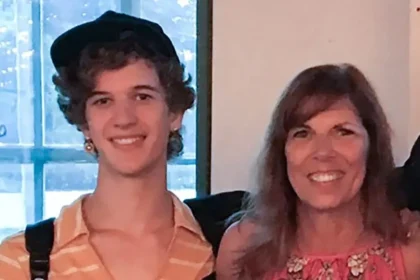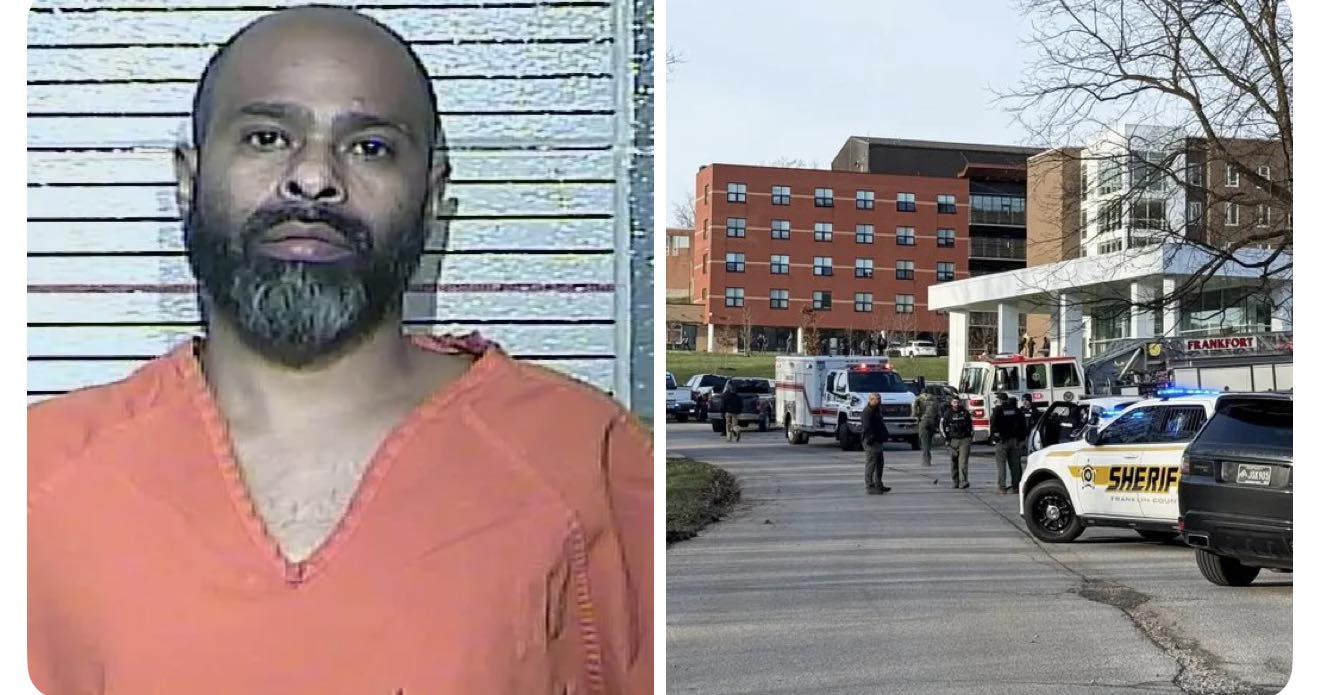

An Indiana father accused of murder and assault for firing on a mob attacking his son on a college campus will not face prosecution.
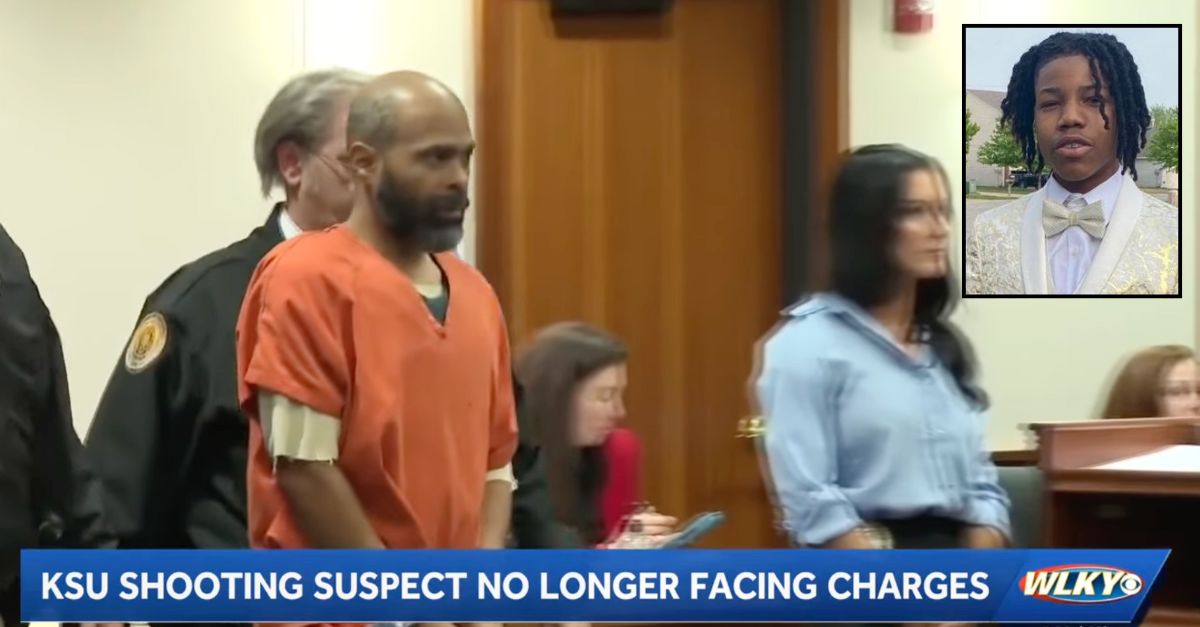
A Franklin County, Kentucky, grand jury declined to indict 48-year-old Jacob Bard on Tuesday, determining there was insufficient evidence to bring charges related to a shooting at Kentucky State University (KSU). Bard’s attorney, Jonathan Danks, said the decision closes the case.
In early to mid-October, a dorm room occupied by one of Bard’s sons was burglarized. According to Danks, an “organized group” triggered a fire alarm and used fire extinguishers to disable security cameras before stealing from the room. The 18-year-old student reported the incident to campus police.
Soon after, the student began receiving threats of violence, including warnings that “you will die,” Danks said. At least one individual involved in the threats had previously had a firearm seized on campus and reportedly boasted about continuing to carry a gun.
On Dec. 6, a group of 15 to 20 people—“many of them non-students with faces concealed,” according to Danks—forced their way into the son’s dorm room and assaulted him and three other students. The victims were allegedly thrown to the ground, stomped, and punched repeatedly, while attackers destroyed hundreds of dollars’ worth of property, including a school-issued laptop. The incident was reported to police and was said to have been captured on camera.
Two days later, a larger group of 20 to 30 people gathered outside the dorm with baseball bats and other weapons, Danks said. They beat on the door, prompting a call to police. When officers approached, the group scattered. That evening, Bard’s son called his father to describe what had happened.
Bard had two children enrolled at KSU at the time, including a 19-year-old son; both were members of the university’s baseball team.
Bard and his wife drove to campus immediately, arriving around midnight. They found that their son and his friends had not eaten in days because they were afraid to leave their dorm rooms. After taking the students out to eat, the parents met with campus police the next morning to voice safety concerns. A follow-up discussion with the university’s dean did little to reassure them, Danks said.
Concluding that the school could not ensure their son’s safety, the family informed the university they were moving him home. While accompanied by a campus police officer to the dorm, they encountered four people outside who appeared to be waiting. Although the officer ordered them to leave, one individual involved in prior assaults began taking photos of Bard’s sons. More people soon arrived—some wearing ski masks—raising fears of another attack.
As tensions escalated, Bard armed himself with his wife’s firearm, Danks said. When the family and the officer reached the building entrance, the group rushed out past an armed campus officer and began assaulting Bard’s family and others present.
The family retreated roughly 40 feet but continued to be struck. Bard’s son was knocked to the ground and pinned, with multiple people beating his head against the pavement. Danks said the officer did not intervene effectively.
Bard attempted to pull attackers off his son but was struck himself and could not break through. Believing his son faced imminent death or serious injury, Bard drew the firearm and shot two individuals who were actively attacking him.
Two people were hit. One, 19-year-old De’Jon Fox, died. The other was hospitalized in critical condition and later listed as stable.
After the shots were fired, Bard dropped the weapon once his son managed to escape, though the son was kicked in the face during the chaos, Danks said. The attorney maintained that Bard’s actions were legally justified and prevented a fatal outcome for his son.
Bard was initially charged with murder and assault, but his defense argued that the university failed to address earlier incidents, contributing to the violence. Those failures, Danks said, culminated in the death of one student and injuries to others.
Danks also criticized the lack of charges against those involved in the attacks. Despite known identities and repeated violent incidents, he said, no prosecutions have been pursued against members of the mob. He added that Bard and his family continue to receive credible death threats and that Bard’s sons are living at an undisclosed location for safety.
Local CBS affiliate WLKY reported that Bard will receive a refund of the bond he posted before the grand jury’s decision.
Franklin County Commonwealth Attorney Larry Cleveland said the case was difficult, noting that while Bard appeared to meet the legal standard for defending others, a young man was killed and another seriously injured.
In a statement reported by Fox affiliate WDRB, KSU said it is cooperating with law enforcement as the investigation continues.
“We remain centered on our students’ safety and well-being,” KSU President Koffi Akakpo said. “The University is enhancing security measures and conducting internal reviews to help ensure our campus remains a place where all can pursue their education safely. When conduct violates university standards, appropriate action will be taken through established processes.”