
The U.S. Department of Education is planning to reject more than 460,000 applications for the SAVE (Saving on a Valuable Education) student loan repayment plan, according to internal documents obtained by Politico. The move effectively shuts down access to what had been one of the most affordable options for federal borrowers, particularly low-income individuals.
What Changed
The SAVE Plan, introduced in 2023 under President Biden, replaced the REPAYE program and allowed undergraduate borrowers to cap payments at 5% of their discretionary income (10% for graduate students). However, earlier this month, the Education Department effectively ended the program after multiple court rulings deemed parts of it unlawful.
Now, the Department says loan servicers can no longer process SAVE applications because the plan is considered “illegal.” As a result, nearly half a million borrowers will be denied entry into the program.
Why It Matters
This shift marks a significant rollback of one of the most generous income-driven repayment plans in U.S. history, aligning with broader policy changes under President Donald Trump’s administration, which has moved to dismantle many Biden-era education initiatives.
Experts warn that replacing SAVE with less generous alternatives could sharply increase monthly payments for many borrowers — in some cases by hundreds of dollars. The Student Borrower Protection Center estimates borrowers could pay as much as $3,500 more per year.
What’s Replacing SAVE?
As part of the recently passed One Big Beautiful Bill Act, signed into law by Trump on July 4, the Education Department is introducing two replacement plans:
- A revised 10-year standard repayment plan.
- A new Repayment Assistance Plan.
While the Department has pledged to help borrowers choose a new, legally compliant plan, these alternatives generally require higher monthly payments than SAVE did.
Department’s Position
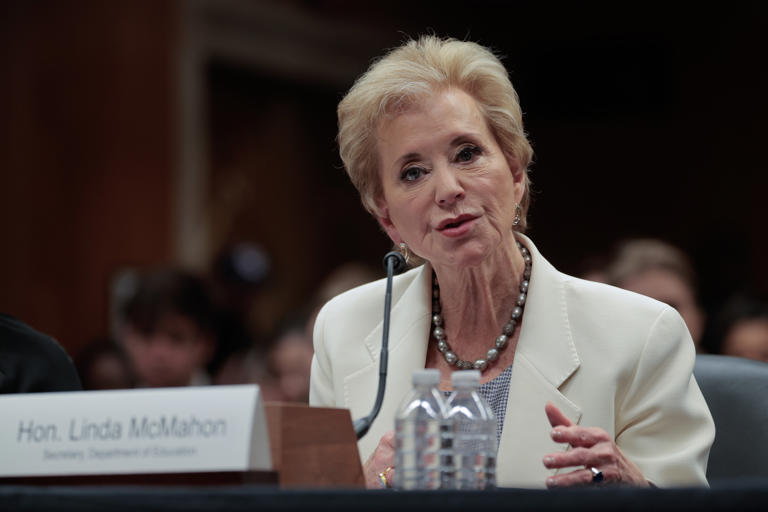
Education Secretary Linda McMahon said in a July 9 statement:
“Since day one of the Trump Administration, we’ve worked to simplify repayment and protect taxpayers. Borrowers enrolled in the now-illegal SAVE Plan must transition to a legal alternative like the Income-Based Repayment Plan.”
A Department spokesperson added that servicers are “unable to process SAVE applications” due to court injunctions and urged borrowers to explore options authorized under the Higher Education Act.
Expert Reactions
- Robert Kelchen, education policy expert at the University of Tennessee, told Newsweek: “The Trump administration wants to replace SAVE with new plans passed through the budget bill. The fate of these 460,000 borrowers is likely heading back to court.”
- Nancy Nierman, of New York’s Education Debt Consumer Assistance Program, warned: “For many low- and middle-income borrowers, SAVE was the only affordable option. Without it, payments could double or triple. That’s likely to drive up already high default and delinquency rates.”
What Borrowers Should Know
Borrowers currently in SAVE will not be charged retroactive interest. However, starting August 1, interest will begin accruing again. The Department is contacting nearly 8 million SAVE enrollees to guide them through the transition to a different plan.
Borrowers are encouraged to use the federal Loan Simulator to compare options and determine the best course forward.