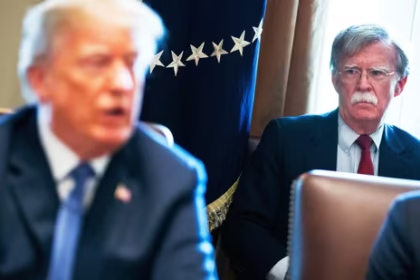

President Donald Trump has expressed “unprecedented” fury toward European allies over their refusal to provide military support in the escalating conflict with Iran, specifically their reluctance to help secure the Strait of Hormuz.
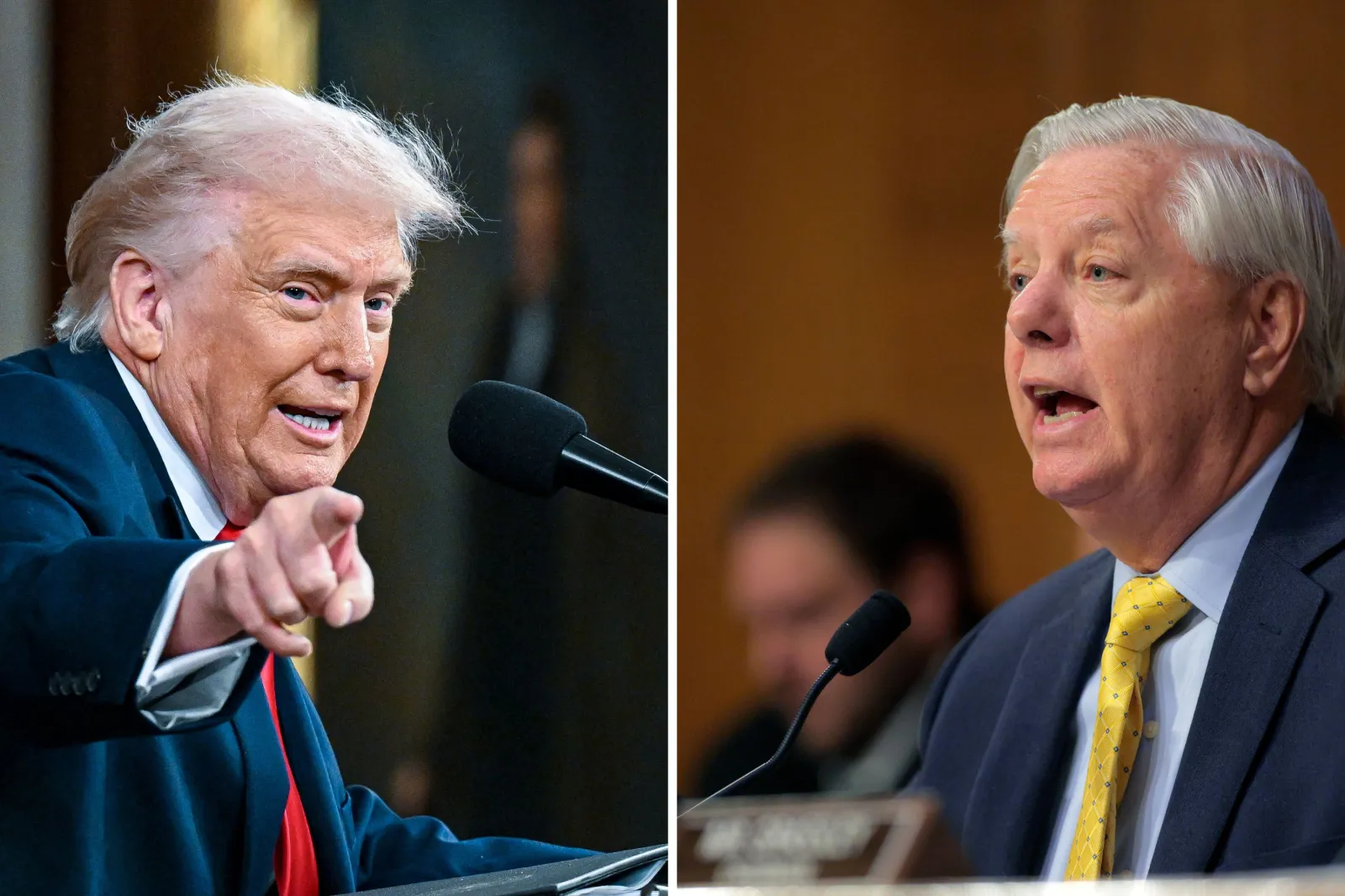
U.S. Senator Lindsey Graham (R-SC), a top confidant of the President, revealed Tuesday that Trump is weighing the future value of transatlantic alliances after European partners—including the U.K., France, and Germany—declined to deploy warships to the region. The rift comes as a fifth of the world’s oil supply remains effectively paralyzed by Iranian drone and missile strikes.
Key Developments in the Crisis:
- The “Angry” President: Sen. Graham reported he has “never seen [Trump] so angry,” accusing Europe of benefiting from the Strait’s operation while leaving the U.S. to shoulder the security burden.
- Strait of Hormuz Blockade: Iranian Foreign Minister Abbas Araghchi declared the waterway “open,” but explicitly barred U.S. and Israeli vessels, labeling claims of a negotiated truce as “delusional.”
- Diplomatic Rejection: The European Union, led by Kaja Kallas, officially rebuffed U.S. demands for military intervention, citing a preference for diplomatic “off-ramps” to avoid a wider regional war.
- Baghdad Embassy Under Fire: A “massive” wave of at least five drones targeted the U.S. Embassy in Baghdad Tuesday, marking one of the most intense assaults on American diplomatic infrastructure since the war began.
A Widening Transatlantic Rift
The friction centers on the Strait of Hormuz, where Iranian retaliatory strikes have caused global energy prices to skyrocket. While the Trump administration has demanded a “collective plan” to reopen the shipping lanes, European leaders have signaled they were not consulted on the initial February 28 strikes against Tehran and are unwilling to put their personnel in “harm’s way.”
“The European approach to containing the ayatollah’s nuclear ambitions has proven to be a miserable failure,” Graham stated, echoing the President’s sentiment that NATO members are failing a “real test” of the alliance.
British Prime Minister Keir Starmer emphasized a “level-headed assessment of national interest,” stating the U.K. would not be “drawn into the wider war” despite Trump’s public dissatisfaction with London’s stance.
Iran’s Strategic Stranglehold
Tehran has maintained a firm stance, with the IRGC claiming “complete control” over the waterway. Despite U.S. efforts to clear naval mines and protect tankers, insurance for the region has effectively vanished, causing a 70% reduction in traffic.
Iranian Minister Araghchi dismissed any possibility of talks, stating on social media that Iran is seeking “neither truce nor talks” while the U.S. and Israel continue their campaign.
Escalation on the Ground
The conflict continues to bleed across borders:
- Iraq: Beyond the embassy attack, the International Zone in Baghdad remains under high alert. A pro-Iran militia, Kataeb Hezbollah, offered a conditional five-day truce Thursday, provided Israel ceases strikes in Beirut.
- Israel: The IDF reported fresh Iranian missile salvos targeting areas south of the Sea of Galilee on Tuesday morning.
- The Gulf: Iranian strikes have hit energy sites in the UAE and Qatar, with Tehran warning it will “destroy the region’s energy infrastructure” if its own facilities are targeted again.
As global Brent crude prices surge toward $115 per barrel, the Trump administration faces a strategic crossroads: continue a unilateral campaign against Tehran or risk a permanent fracturing of the NATO alliance over the energy security of the Persian Gulf.