
A Democratic lawmaker in Washington state is rolling out a proposal to raise billions in new revenue from some of the nation’s biggest corporations.
On Tuesday, state Representative Shaun Scott is set to introduce legislation that would place a new tax on major employers, potentially including companies like Amazon and Microsoft.
Scott argues that the measure would help counteract the effects of the federal One Big Beautiful Bill Act, the tax law signed by President Donald Trump in July. He says that law has squeezed Washington’s budget and weakened funding for key public services.
His proposal, called the Well Washington Fund, is designed to bolster state spending on public programs “at the same time that the Trump administration is defunding them,” Scott said.
Why It Matters
Scott’s push to tax the state’s largest corporations in order to stabilize health care, higher education and housing comes as Washington Democrats more broadly weigh new taxes on high earners and wealth.
The bill is expected to fuel a broader fight among lawmakers, business groups and advocacy organizations over whether targeting major employers to offset Trump-era tax cuts will safeguard public services—or undermine competitiveness and job growth.
What To Know
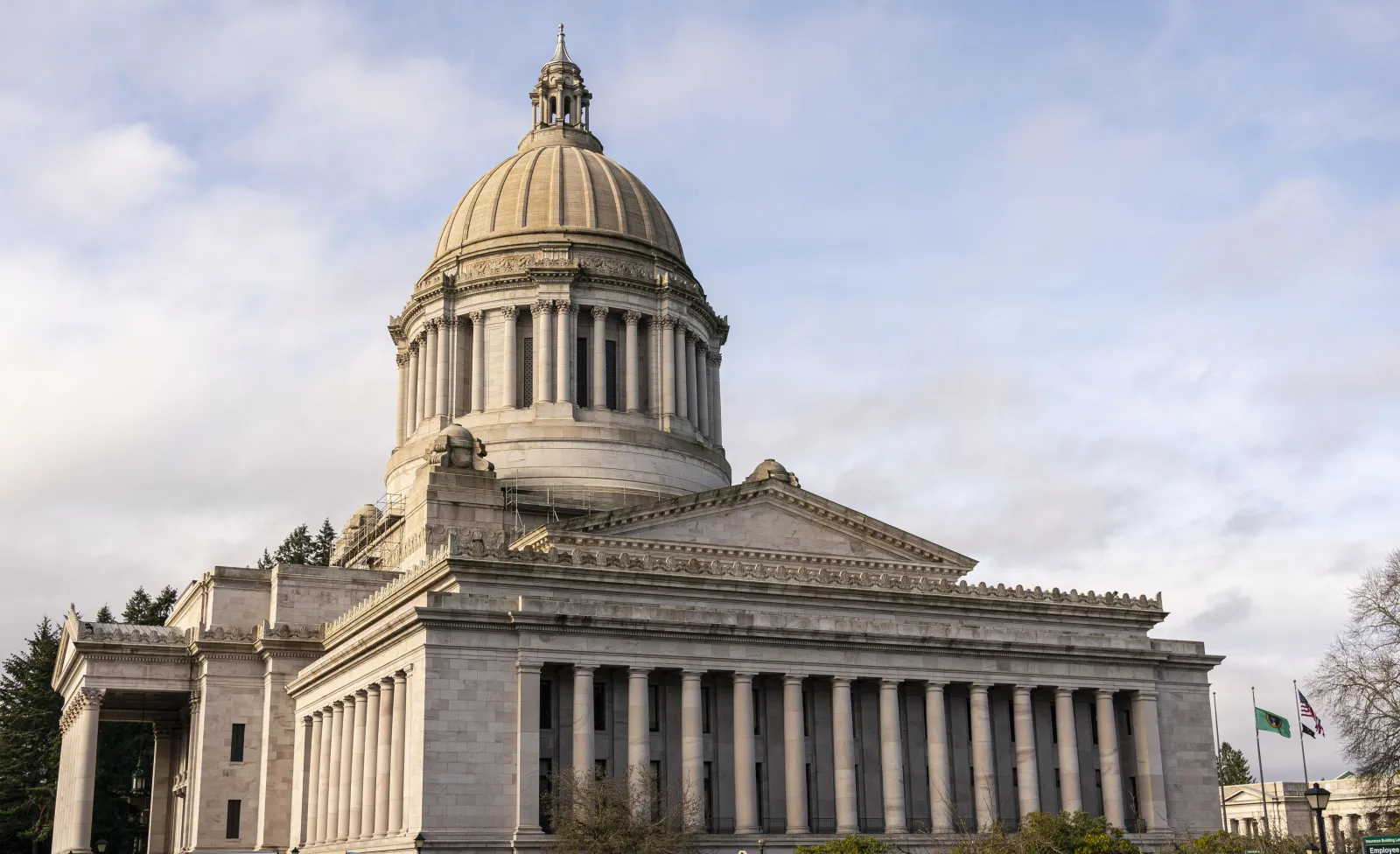
Scott said in a statement that he will formally announce the Well Washington Fund revenue proposal at a news conference on the steps of the legislative building in Olympia on Tuesday.
The measure is intended to shield key public programs from what Scott calls the “severe impacts of H.R. 1,” the federal tax package known as the One Big Beautiful Bill Act.
Under the proposal, a 5 percent tax would be levied on payroll expenses for workers earning more than $125,000 a year at the state’s largest private employers. Large health care and social services organizations are expected to be exempt.
The concept mirrors Seattle’s existing JumpStart tax, which applies to companies with large payrolls and highly paid employees. Scott’s bill has the support of representatives from the Washington Federation of State Employees, SEIU 775 and other pro-tax advocacy groups, according to the Washington State Standard.
State Senator Rebecca Saldaña, a Seattle Democrat who previously sponsored a similar bill that stalled in the Senate, is also backing the new proposal.
Republicans, however, say the plan will drive jobs away. Chris Corry, deputy leader of the House Republican Caucus, told Komo News that the idea is “a bad one,” arguing that JumpStart has already pushed companies like Amazon to look elsewhere for office space.
Max Martin, government affairs director for the Association of Washington Business, warned that the tax could make the state less affordable and less attractive for investment.
“Legislators just passed the largest tax increase in state history, and the No. 1 concern of Washington employers right now is the state’s overall tax burden,” Martin said in a statement, per Komo News. “This will only add to it.”
What People Are Saying
Democratic state Representative Shaun Scott told Komo News: “The Well Washington Fund is about investing in critical silos of public sector spending at the same time that the Trump administration is defunding them.”
SEIU 775 said in a statement: “The state needs to fix its upside-down tax system and ask the wealthy to pay their fair share to protect these critical services.”
Max Martin of the Association of Washington Business said in a statement: “We can’t make Washington more affordable by making it more expensive.”
Chris Corry, the deputy leader of the House Republican Caucus, told Komo News: “This is just one more reason why businesses will think twice about staying here and will definitely think twice before starting here.”
What Happens Next
Scott said that if the bill passes and is signed into law, it would take effect on July 1, 2026. The proposal is expected to face strong resistance and lobbying from businesses and Republicans, even as taxing wealthy individuals and corporations remains a top priority for Senate Democrats in the state, The Reflector reported.
Democratic Representative April Berg, who chairs the House Finance Committee, told the outlet that she had not yet reviewed Scott’s draft but anticipated that additional revenue bills will surface. The Washington State Legislature’s next session is scheduled to begin on January 12.