
New York’s Central Park reached 99F (37C) Tuesday afternoon, setting a new record high for that date.
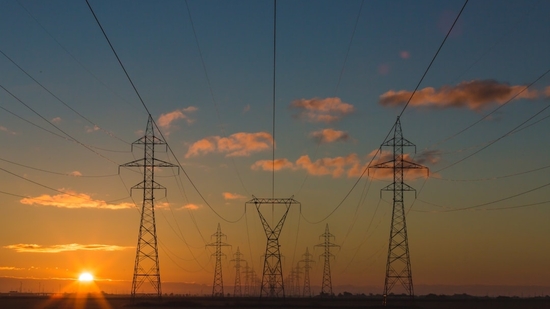
New York’s power grid is under intense pressure as a relentless heat wave pushes electricity demand to extreme levels, prompting rare energy emergency warnings and spiking power prices across the region.
On Tuesday evening, wholesale electricity prices on Long Island surged past $7,300 per megawatt-hour, while prices in New York City reached $2,999, highlighting the strain on the system as residents cranked up air conditioners to battle the sweltering heat.
Central Park recorded a high of 99°F (37°C) Tuesday afternoon—breaking the record for that date and coming close to the hottest June temperature ever recorded at the park: 101°F in 1966 and 1934, according to the National Weather Service.
The entire eastern half of the United States is experiencing oppressive conditions, with heat advisories and excessive heat warnings in place from eastern Texas to northern Maine. In response to the strain, the Trump administration declared a power emergency in the Southeast, temporarily lifting certain pollution limits to allow utilities to boost electricity production.
Grid Operators Raise Alarms
The New York Independent System Operator (NYISO), which oversees the state’s power grid, warned that if demand isn’t reduced or new power sources aren’t brought online soon, it may be forced to implement rotating blackouts to stabilize the system.
Elsewhere in the Northeast, New England’s grid declared a Level 1 Energy Emergency Alert—the first tier of energy emergency measures—due to an unexpected loss of power generation. PJM Interconnection, which manages the nation’s largest power grid across the Mid-Atlantic and Midwest, also remained under an emergency alert for a second day, now extended into Wednesday.
Impact Spreads Beyond the U.S.
Heat warnings have also been issued in parts of Ontario, Quebec, and Nova Scotia, according to Environment and Climate Change Canada.
Local Disruptions, Blackouts, and Voter Turnout
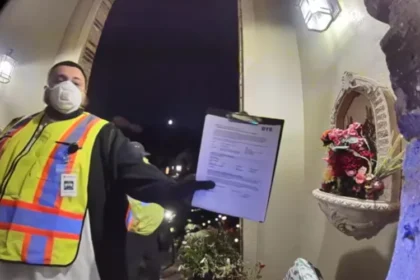
On Monday, some New York City neighborhoods experienced blackouts, while local utility Consolidated Edison urged customers to conserve power starting Sunday. PSEG Long Island echoed the request, advising residents to limit nonessential electricity use.
The heat wave has also affected travel. Amtrak announced delays across routes from Boston to Virginia, noting that high temperatures can cause steel rails and overhead wires to expand and warp, slowing train operations.
Despite the scorching weather, voters in New York City turned out to cast ballots in the city’s mayoral primary race, braving temperatures close to triple digits.