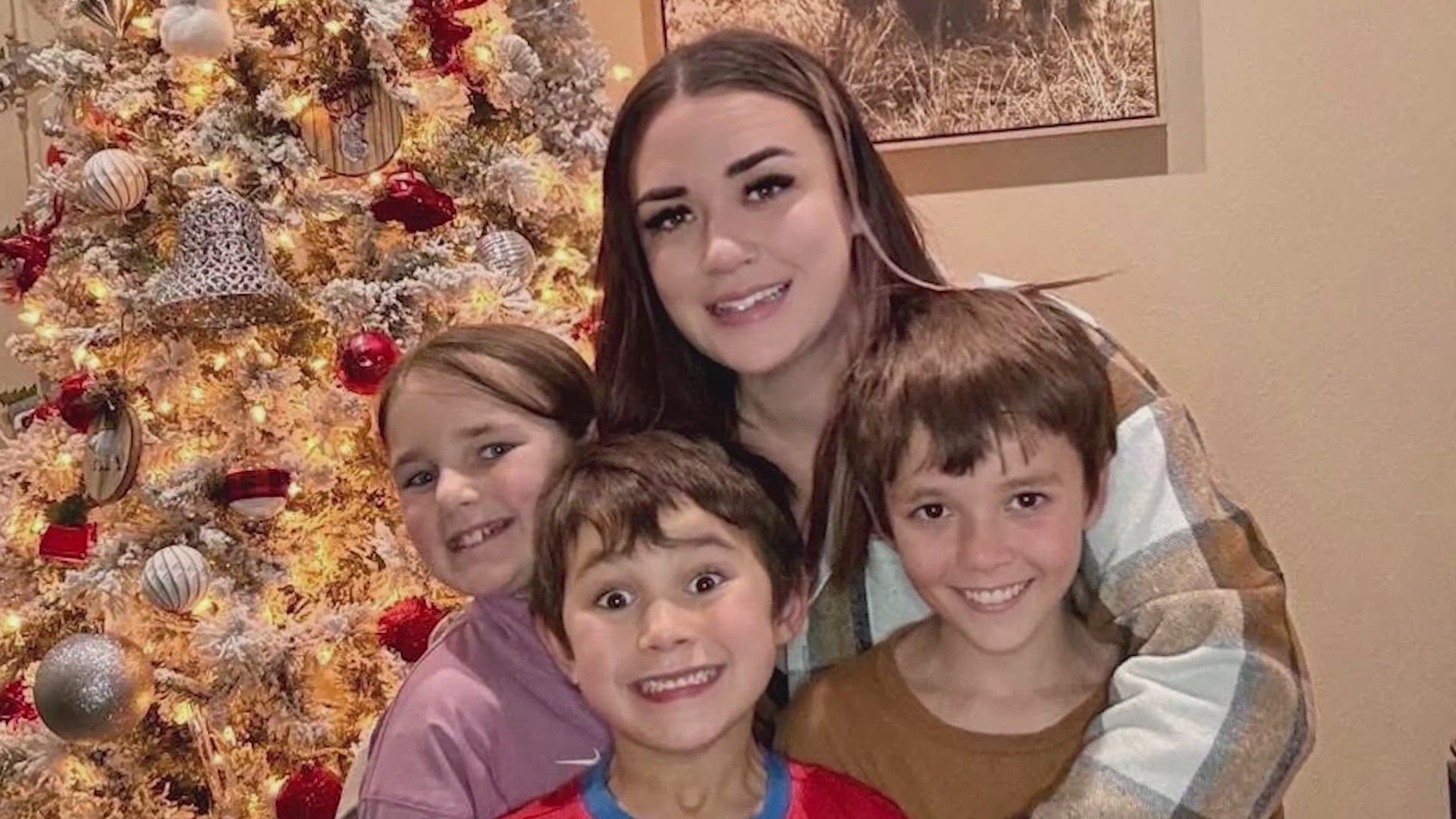

A New Zealand woman and her six-year-old son have been held in a US immigration center for three weeks after being stopped at the Canada-US border. Her friends say she is being unfairly “treated like a criminal.”
Sarah Shaw, 33, has lived in Washington state for over three years and has a valid US visa. On 24 July, she dropped her two oldest children at Vancouver airport so they could fly to New Zealand to visit their grandparents.
When Shaw tried to re-enter the US, Immigration and Customs Enforcement (ICE) detained her and her youngest son in what her friend Victoria Besancon described as a “terrifying” experience.
“Sarah thought she was being kidnapped,” Besancon said. “They didn’t explain anything. They quietly took her and her son and put them in an unmarked van.”
ICE took Shaw’s phone and transported her and her son to the Dilley immigration center in south Texas, far from their home. Besancon said Shaw and her son are the only English speakers there, are locked in their room from 8 p.m. to 8 a.m., and cannot wear their own clothes.
“It’s really like being in jail. It’s devastating and kind of barbaric,” Besancon said.
Shaw holds a “combo card” visa, which includes an employment visa for her work at a juvenile detention center and an I-360 visa, which can help domestic violence survivors gain legal status. Shaw recently received a letter confirming her visa renewal but did not realize that part of her I-360 visa was still pending.
Besancon said border officials could have allowed Shaw to enter under humanitarian parole instead of detaining her. She added that all three of Shaw’s children have approved I-360 visas, meaning her youngest son may be held “illegally.”
Shaw’s union, the Washington Federation of State Employees, has called for her release. Mike Yestramski, the union president, said, “The trauma this has caused her and her son may never heal. ICE practices go against American values and human rights.”
New Zealand’s foreign affairs ministry said it is in contact with Shaw but cannot comment further. ICE and the US embassy in New Zealand have also been contacted for comment.