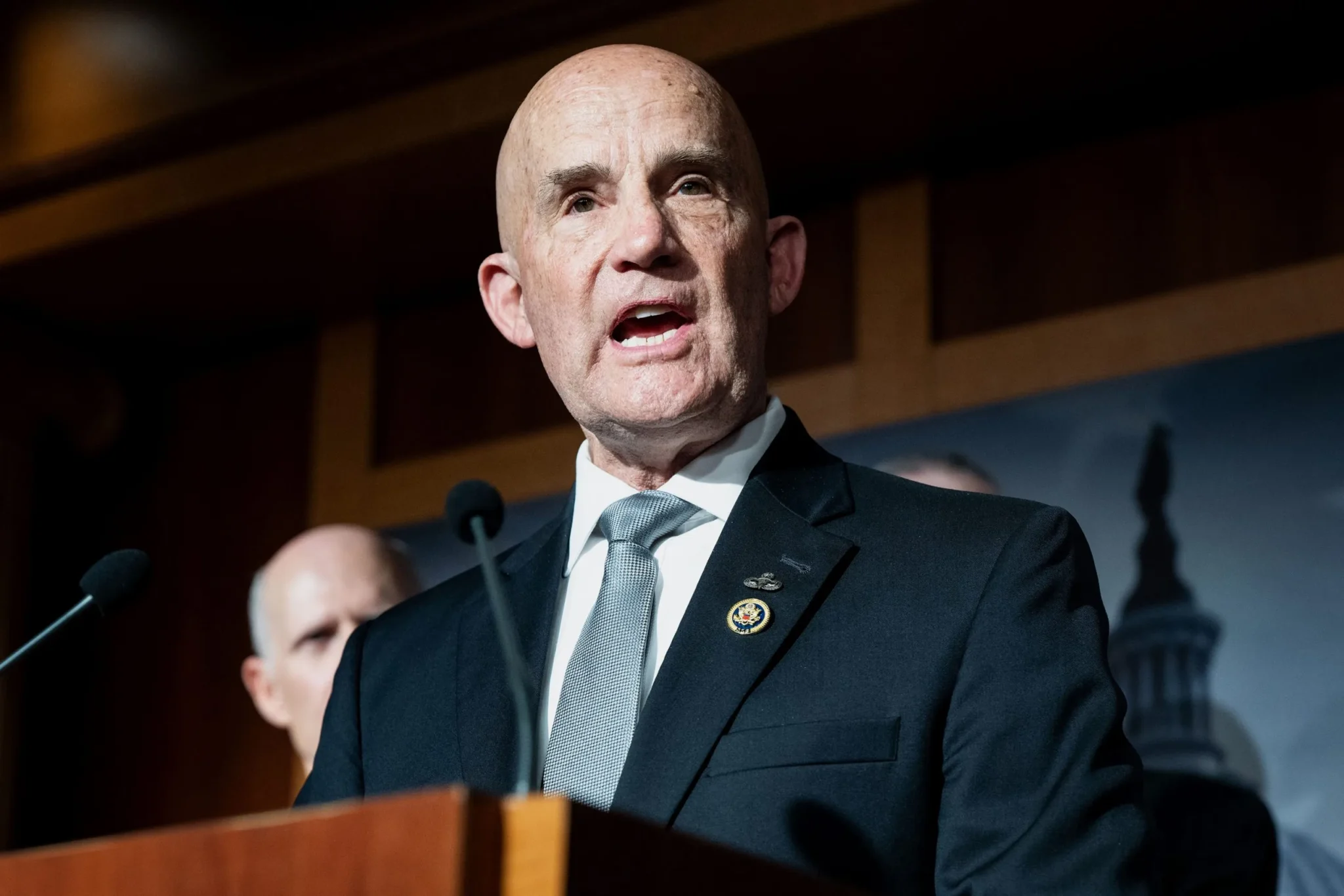

Representative Keith Self strongly criticized a proposed residential development in Plano, Texas, declaring that housing marketed as exclusive to a single religious group “has no place in Texas or anywhere in America.” His comments came after the Department of Housing and Urban Development (HUD) opened a formal investigation into the East Plano Islamic Center (EPIC) and its affiliated project, known as “The Meadow” or “EPIC City.
HUD’s Office of Fair Housing and Equal Opportunity (FHEO) confirmed it is reviewing allegations that the development may have violated the Fair Housing Act. The complaints cite promotional materials describing the project as a “Muslim community” and “the epicenter of Islam in America.” Additional concerns involve financial arrangements that reportedly require lot owners to help fund a mosque and Islamic educational facilities, along with claims of a tiered sales structure that may favor certain buyers.
HUD Secretary Scott Turner described the potential violations as “deeply concerning,” emphasizing that federal housing law guarantees equal access regardless of religion or national origin. He stated that HUD would conduct a comprehensive review to determine whether unlawful discrimination occurred.
Self welcomed the investigation publicly, expressing support on social media and arguing that religious or national origin-based restrictions in housing conflict with U.S. law. He reiterated his position that Sharia law is incompatible with the Constitution and “has no place here.” Self also connected the debate to broader political concerns, referencing organizations he believes influence such initiatives.
The issue arises amid the formation of the Sharia Free America Caucus in Congress, led by Self and Representative Chip Roy. Established in late 2025, the caucus has expanded rapidly and focuses on opposing what its members view as the growing influence of Sharia-based principles. Roy characterized Sharia law as a challenge to constitutional governance and Western legal traditions.
The dispute surrounding EPIC City underscores continuing national discussions about religious freedom, community-based development, and housing equality. Supporters frame the project as a cultural and faith-centered community effort, while critics argue that developments perceived as faith-exclusive may breach federal anti-discrimination protections.
HUD’s investigation will ultimately determine whether the project’s structure and marketing practices comply with federal law. In the meantime, the controversy is likely to remain a focal point in debates over how to balance religious expression with equal housing access in the United States.