
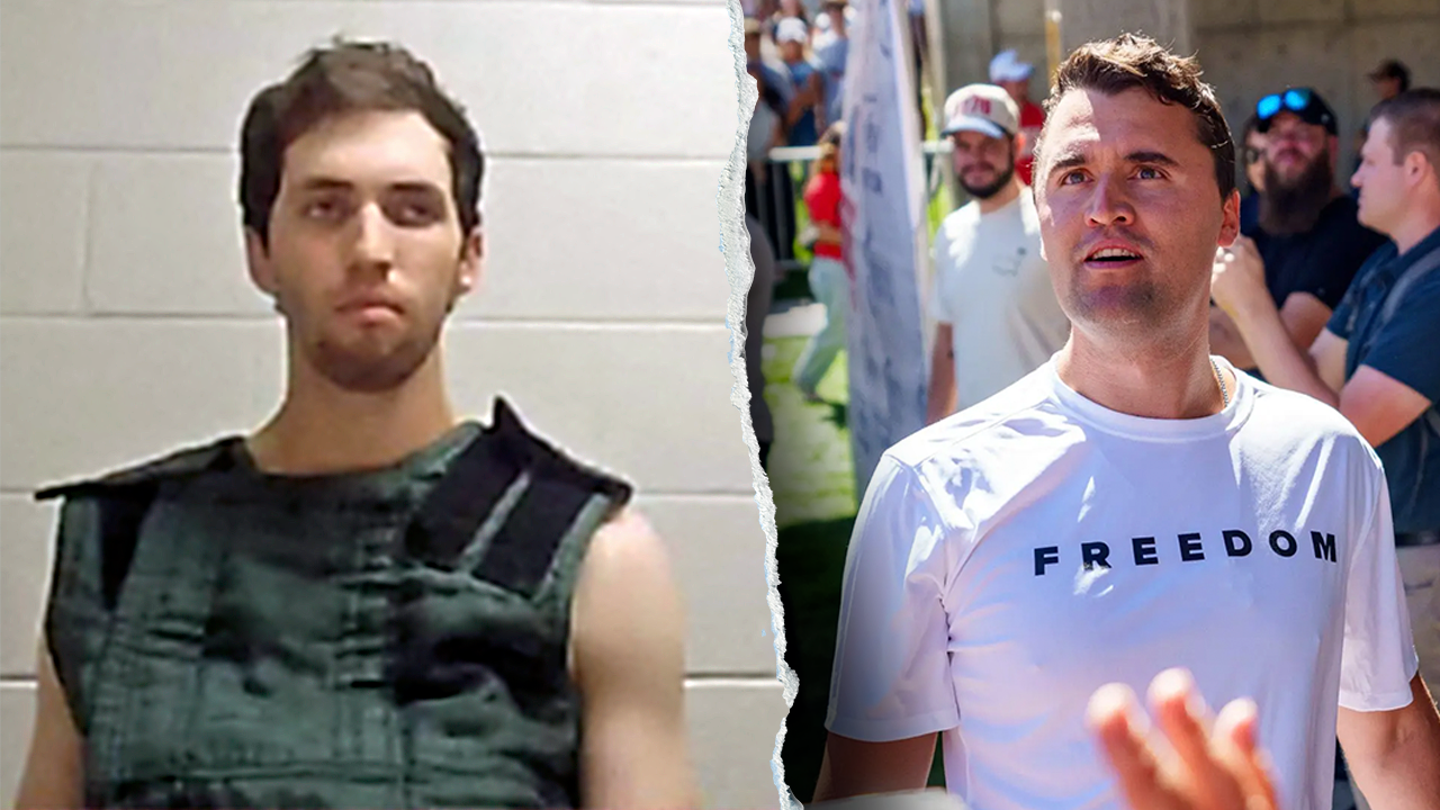

A Utah judge’s decision to repeatedly hold off-camera hearings for the man accused of assassinating Turning Point USA founder Charlie Kirk is raising serious concerns among legal experts, who warn the move undermines transparency in one of the state’s most closely watched cases.
Tyler Robinson, 22, stands accused of fatally shooting the 31-year-old father of two during an event at Utah Valley University last month. Yet, since his initial court appearance following his arrest, Robinson has not been seen publicly.
“If the public can’t see who’s speaking in a courtroom, that’s a serious transparency issue,” said Randolph Rice, a Maryland attorney and legal analyst. “Our justice system depends on open proceedings, and the public needs to know that the person answering questions is indeed the same person accused of assassinating Charlie Kirk.”
Although jail guards were likely present during Robinson’s remote appearances, the court record doesn’t officially note their presence. After his first virtual hearing, several spectators questioned whether the voice heard on the monitor even belonged to him.
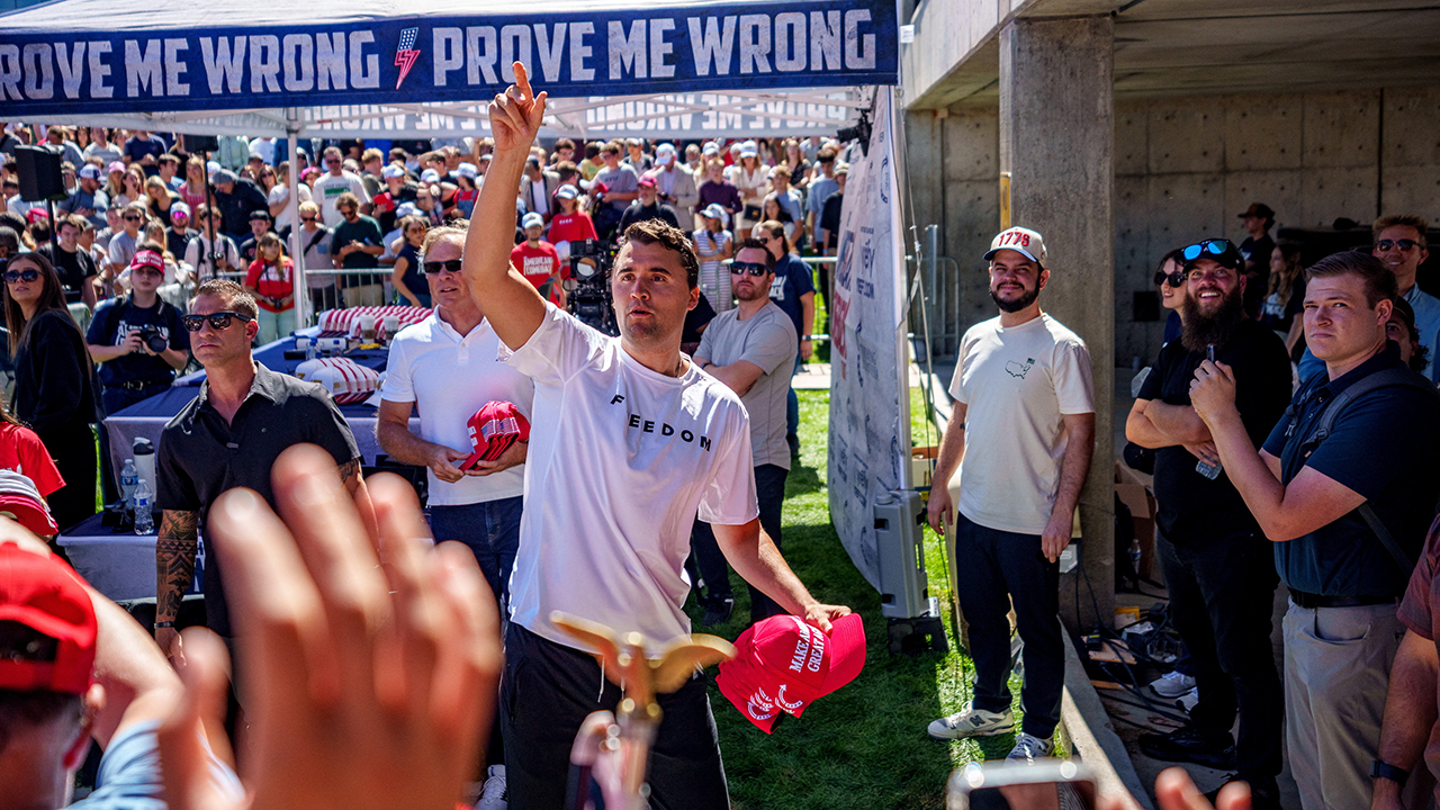
Robinson’s second off-camera public hearing took place just days before he was expected to appear in person. The court later announced that the hearing would be postponed until January to allow both sides additional time for discovery and other pretrial work.
Judge Tony Graf, appointed to the bench earlier this year, has been walking a fine line between protecting due process and ensuring public confidence. He has instructed both parties to submit new briefs regarding requests to limit or exclude news cameras from future proceedings.
“When judges hide too much from the public, they risk losing the public’s trust,” Rice said. “Justice has to be seen to be believed. Otherwise, it may appear that the court is concealing something to protect itself, the state, or the defendant.”
Separately, Judge Graf granted a motion allowing Robinson to wear civilian clothing during future court appearances but denied a request to remove his restraints. He also said he would revise the courtroom decorum order to prevent news photographers from capturing images of Robinson’s restraints or from photographing him entering or leaving the courtroom.
“There seems to be an inordinate concern with his public perception,” said Joshua Ritter, a Los Angeles-based criminal defense attorney and Fox News contributor. “The idea that he is not shown in custody, that he will be dressed up for court, and that no photos of his restraints are allowed — great lengths are being taken to ensure his presumption of innocence before the public.”
Jail officials previously told Fox News Digital that Robinson’s first no-video hearing was requested by the defense, partly because it was expected to be brief.
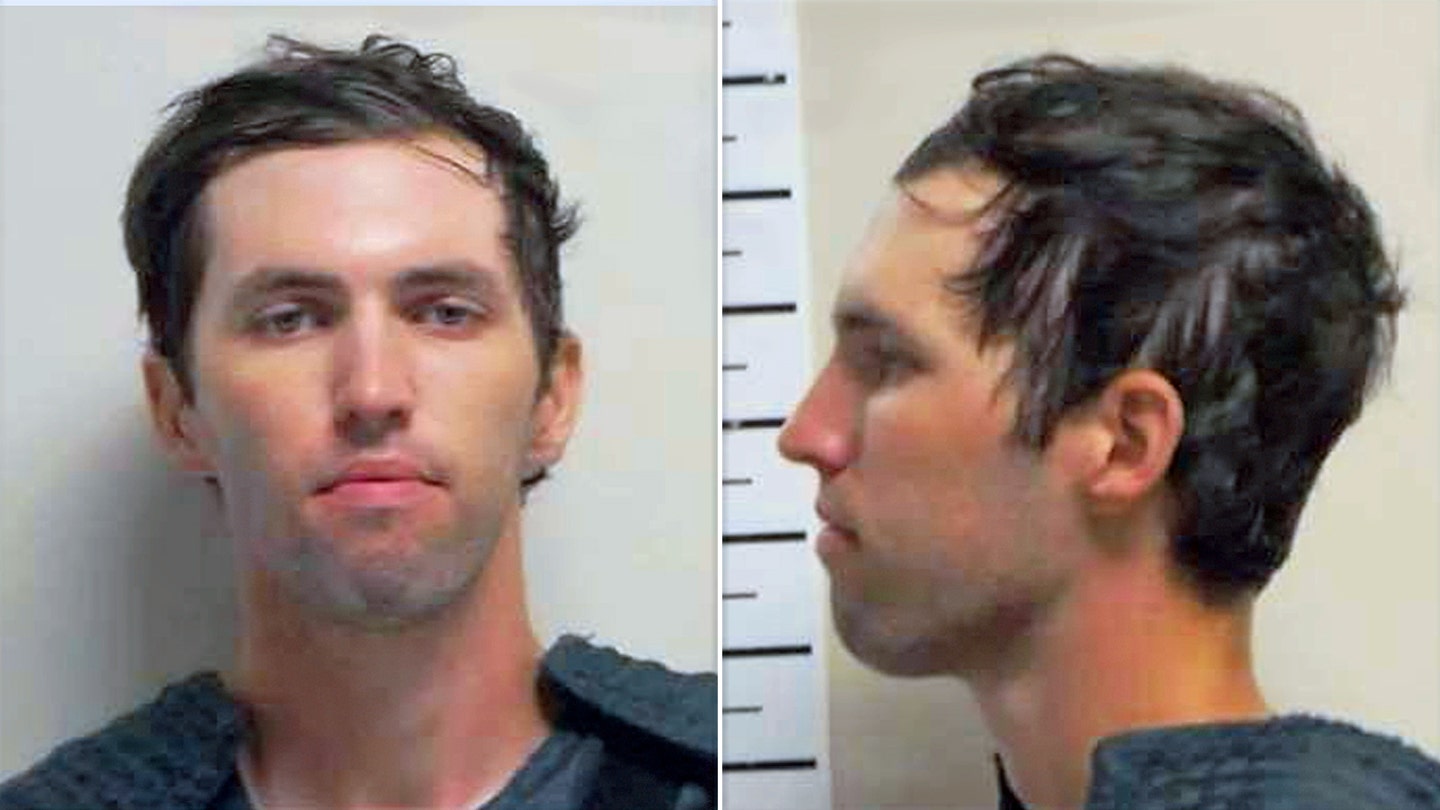
“The judge is being extremely cautious to avoid an appeal for unfairness later by the defendant,” Rice noted. “But in doing so, he is sacrificing transparency — and that’s a dangerous trade-off in a case this public.”
During Monday’s hearing, Judge Graf also acknowledged that prosecutors have asked for all future non-evidentiary hearings to be conducted virtually. He has not yet ruled on that request.
“Judges certainly have discretion to shield certain aspects of courtroom proceedings,” Rice said, “but in a high-profile case like this, that discretion raises legitimate questions about transparency.”
Robinson has not yet entered a plea. His preliminary hearing — where the defense can challenge the evidence and cross-examine the state’s witnesses — has been postponed until at least January, and could be delayed further.
For now, it remains uncertain when the public will next see the accused assassin.
“Keeping a defendant completely off camera for too long in a high-profile case like this only fuels conspiracy theories,” Rice warned. “When information is withheld, the public fills the gaps — often with speculation that’s far from the truth.”


