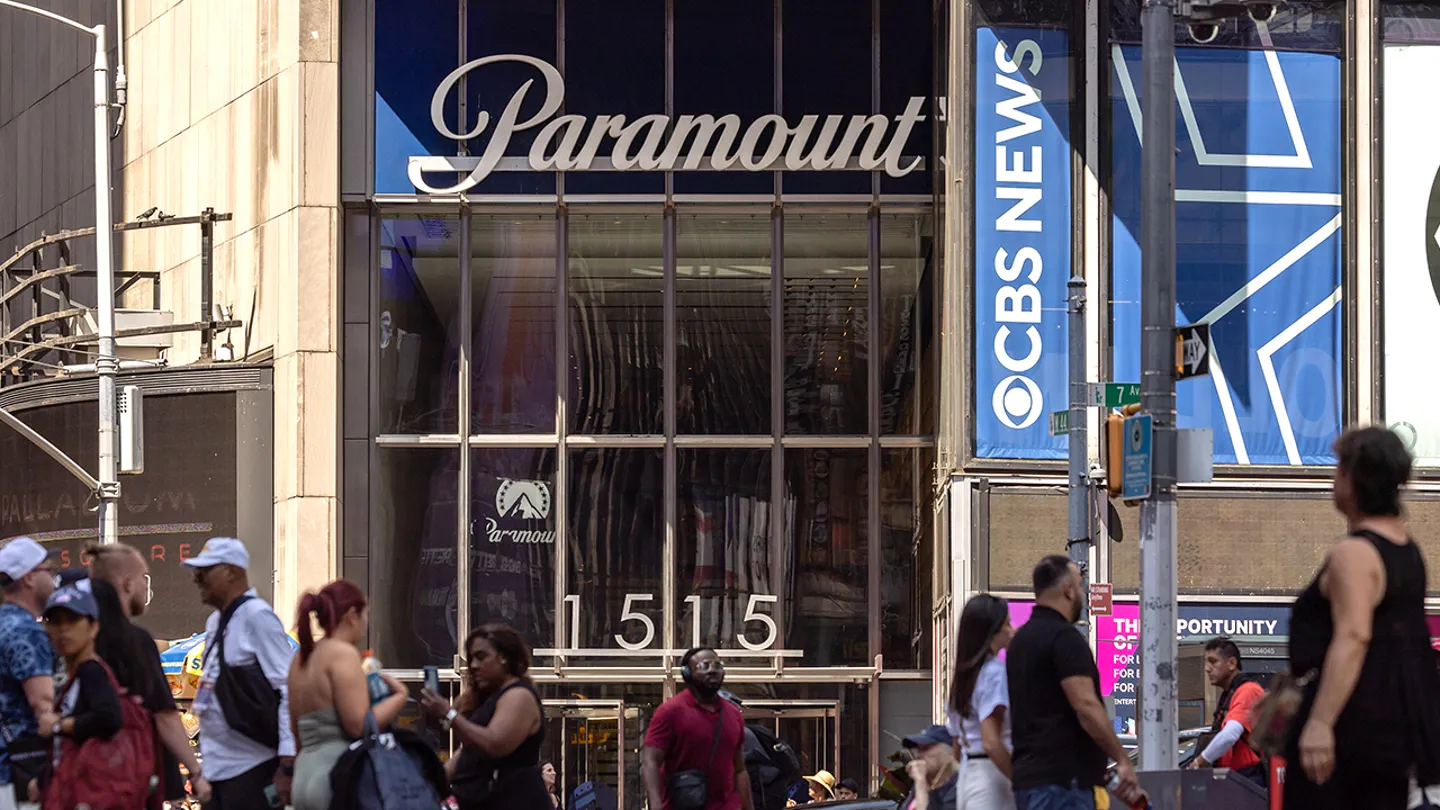

NEW YORK — In a move that reshapes the American media landscape and places a global news titan under the control of Trump-aligned billionaires, Paramount–Skydance has officially won the bidding war to acquire Warner Bros. Discovery (WBD) for $110 billion.
The deal, finalized Friday after Netflix withdrew its competing offer, paves the way for David Ellison—son of Oracle co-founder and prominent Donald Trump donor Larry Ellison—to take the helm of an empire that includes HBO, Warner Bros. Studios, and CNN. The acquisition has sparked immediate internal “dread” within CNN’s Hudson Yards headquarters, as sources suggest the network is destined for a sharp ideological shift and a potential leadership merger with CBS News under the controversial guidance of Bari Weiss.
A “Superior” Bid Silences Netflix
The corporate battle for WBD reached its climax late Thursday when the company’s board of directors designated the Paramount-Skydance offer as “superior” to Netflix’s $83 billion proposal. While Netflix sought only the studio and streaming assets, David Ellison’s group moved for a total takeover of the conglomerate.
To secure the win, Paramount-Skydance increased its offer to $31 per share and agreed to pay the $2.8 billion termination fee Warner Bros. Discovery owed Netflix. The transaction, backed by $47 billion in equity from the Ellison family and RedBird Capital Partners, is expected to close in the third quarter of 2026, pending regulatory approval.
The “Bari Weiss” Factor and the Future of CNN
The most significant editorial fallout centers on the future of CNN. Since David Ellison took control of Paramount last year, he has already installed Bari Weiss, the former New York Times columnist and founder of The Free Press, as the editor-in-chief of CBS News.
Reports now indicate that Weiss is expected to expand her portfolio to include CNN, aiming to “rebalance” the network’s perceived political leanings. This prospect has already triggered high-profile exits and internal unrest:
- Anderson Cooper: The veteran anchor recently announced his departure from CBS’s 60 Minutes after nearly 20 years, citing family reasons. However, insiders point to his discomfort with Weiss’s leadership, particularly after she reportedly pulled a segment regarding Venezuelan prisoners for “lacking perspective” from the Trump administration.
- Editorial Autonomy: CNN CEO Mark Thompson sent a memo to staff on Friday urging them “not to jump to conclusions,” yet staffers told reporters the mood is one of “palpable dread” regarding a potential pro-MAGA pivot.
Political Ties and Regulatory Path
The deal’s success is inextricably linked to the Ellisons’ ties to the current administration. Larry Ellison remains a close advisor to President Trump, and David Ellison was recently seen attending the State of the Union address as a guest of Senator Lindsey Graham.
Critics, including Senator Elizabeth Warren, have labeled the merger an “antitrust disaster,” questioning whether the Trump administration’s regulatory bodies, such as the FCC under Brendan Carr, are facilitating the deal to ensure a friendlier media environment. While the Justice Department is expected to review the merger, analysts suggest the lack of broadcast license transfers in the WBD portfolio may streamline the path to approval.
What’s Next: A New Media Titan
As the deal moves toward a shareholder vote in early spring 2026, the industry is bracing for a massive consolidation of content. The combined entity will house:
- Streaming: A likely merger of Paramount+ and Max (formerly HBO Max).
- Film: The union of Paramount Pictures and Warner Bros., two of Hollywood’s “Big Five” legacy studios.
- News: A unified front of CBS News and CNN, potentially operating under a singular, Weiss-led editorial vision.
For now, the “inverted pyramid” of the media world has been flipped, and the focus turns to whether CNN can maintain its historical brand identity under its new billionaire owners.