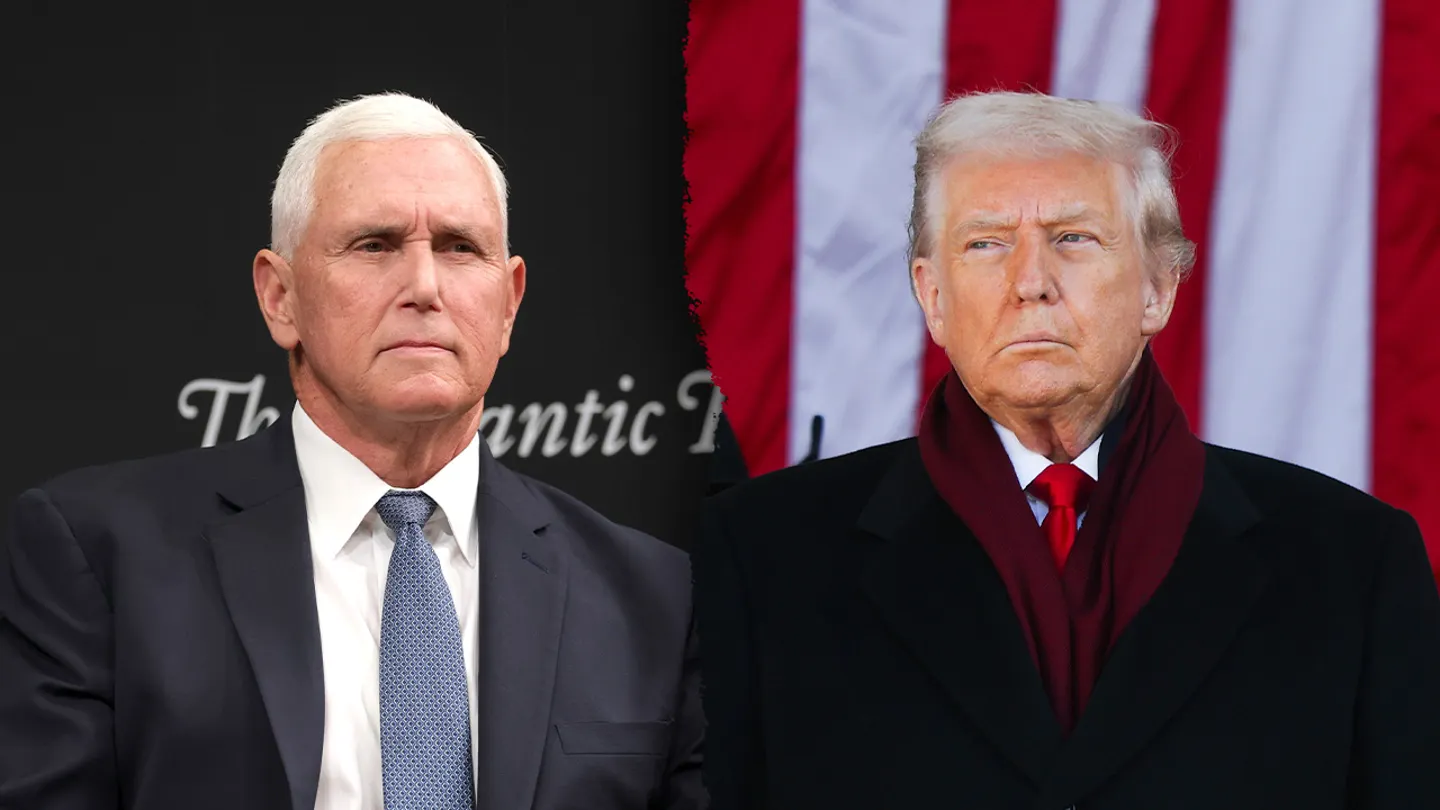

A conservative advocacy organization founded by former Vice President Mike Pence is launching a new campaign against a signature prescription-drug policy promoted by President Donald Trump’s administration.
Advancing American Freedom (AAF) plans to roll out a six-figure digital ad buy on Monday attacking Most-Favored-Nation (MFN) drug pricing, describing it as “socialist price controls,” according to AAF President Tim Chapman.
The 30-second spot frames the policy as a threat to U.S. competitiveness, arguing that America’s position as a global leader in drug innovation could be undermined if Washington imposes price caps. “China is America’s biggest economic competitor,” the ad says, warning that government price setting could push research, manufacturing, and jobs overseas. It ends by urging viewers to press lawmakers to reject MFN pricing.
While the campaign is aimed at influencing Republicans in Congress, it also appears to be a direct response to Trump’s recent push to expand MFN-style pricing measures.
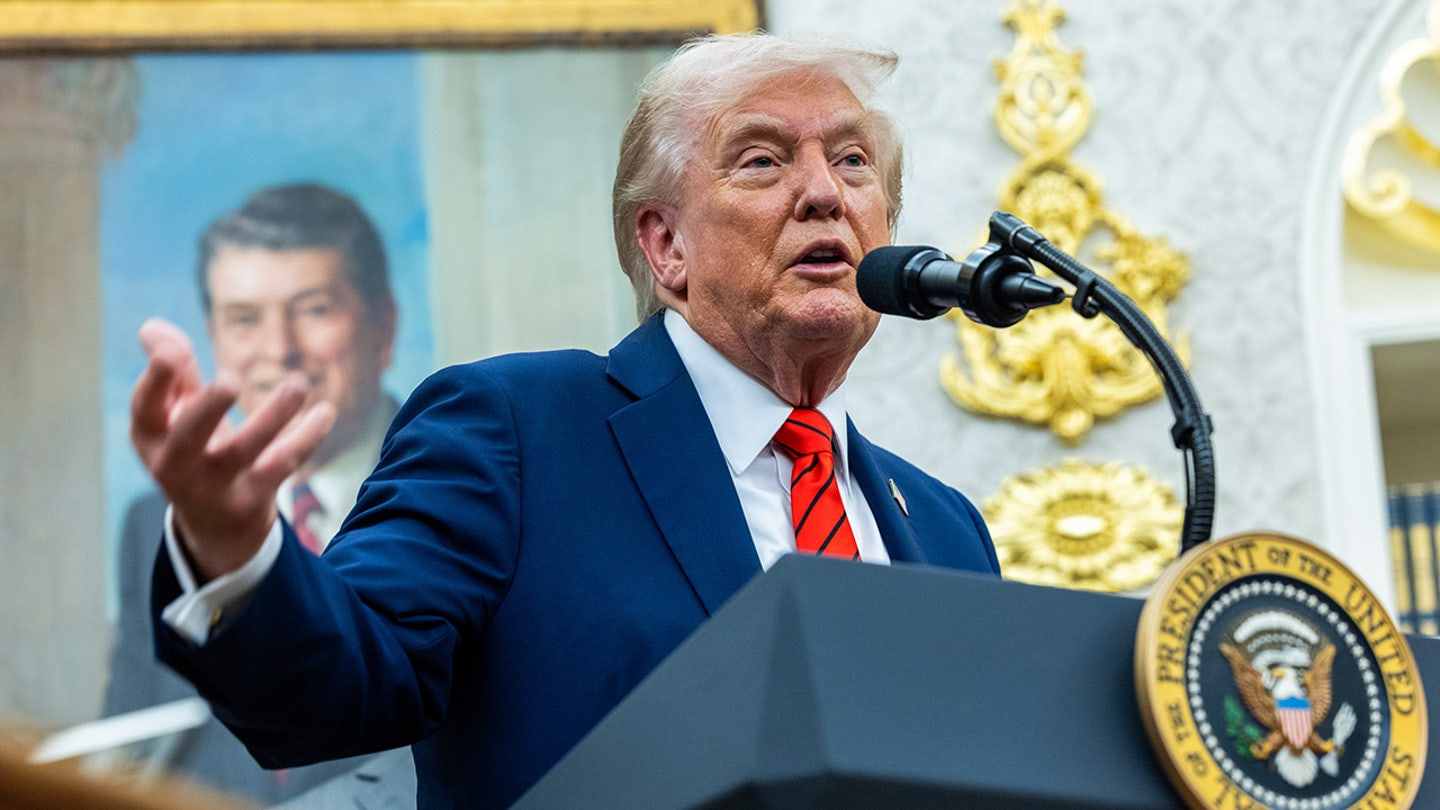
Earlier this month, Trump announced agreements between the federal government and drugmakers Eli Lilly & Co. and Novo Nordisk to cut the cost of high-demand weight-loss and diabetes medications such as Ozempic and Wegovy. The White House said the deals are expected to reduce prices by hundreds of dollars and lower costs for Medicare and Medicaid patients who use the drugs.
A White House fact sheet also said MFN pricing would apply to “all new medicines that they bring to market,” signaling that the administration intends to broaden the approach beyond the current set of medications.
Trump has promoted these moves as part of a wider effort to curb U.S. prescription-drug prices, which often exceed those in other wealthy countries. The reduced prices are expected to be offered through a website called TrumpRx. Many insurance plans already lower out-of-pocket costs for prescriptions, but coverage gaps remain—especially for weight-loss drugs when prescribed solely for obesity.
Chapman, however, argues the administration’s approach could backfire. In a September memo, AAF warned that MFN policies could lead to “significant reductions in American research and development” in pharmaceuticals. Chapman said the new ad campaign reflects those concerns.
“More regulations and red tape will result in fewer cures and life-saving drugs coming to market, ultimately costing American lives,” he told Fox News Digital, adding that AAF favors market-based reforms over government pricing rules.
This is not the first time AAF has split with Trump this year. The group has previously criticized his tariff proposals and his recent call to eliminate the Senate filibuster.
The White House rejected AAF’s characterization of MFN pricing. Spokesman Kush Desai said labeling Trump’s deals as price controls is misleading, arguing that Americans currently bear a disproportionate share of global drug-development costs because U.S. prices are so much higher than in peer nations.
Desai said the administration’s goal is to make other wealthy countries pay more for the innovations they benefit from, while reducing the burden on U.S. patients and “restoring the free-market principles that Mike Pence supposedly supports.”