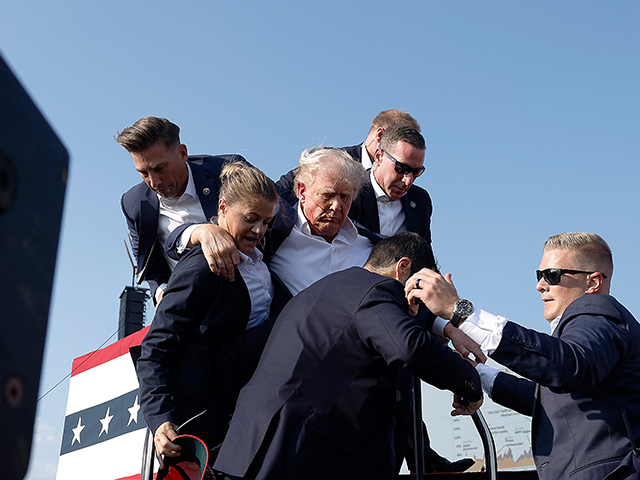

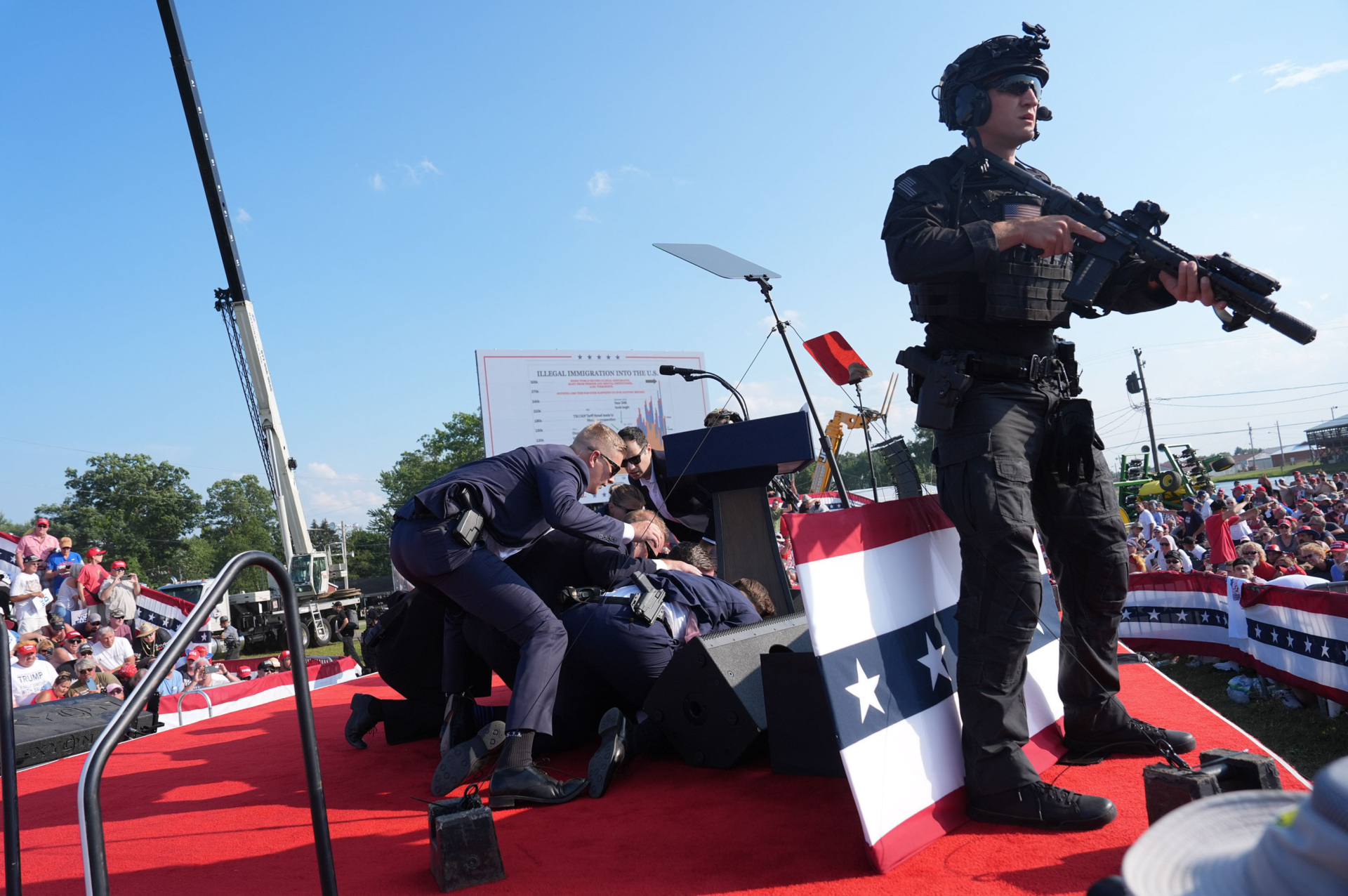
The attempted assassination of President Donald Trump on July 13, 2024, in Butler, Pennsylvania, was not a fluke. It was the result of a cascade of failures—avoidable, systemic breakdowns that nearly cost the life of a former president and presidential candidate, and did claim the life of an innocent rally attendee.
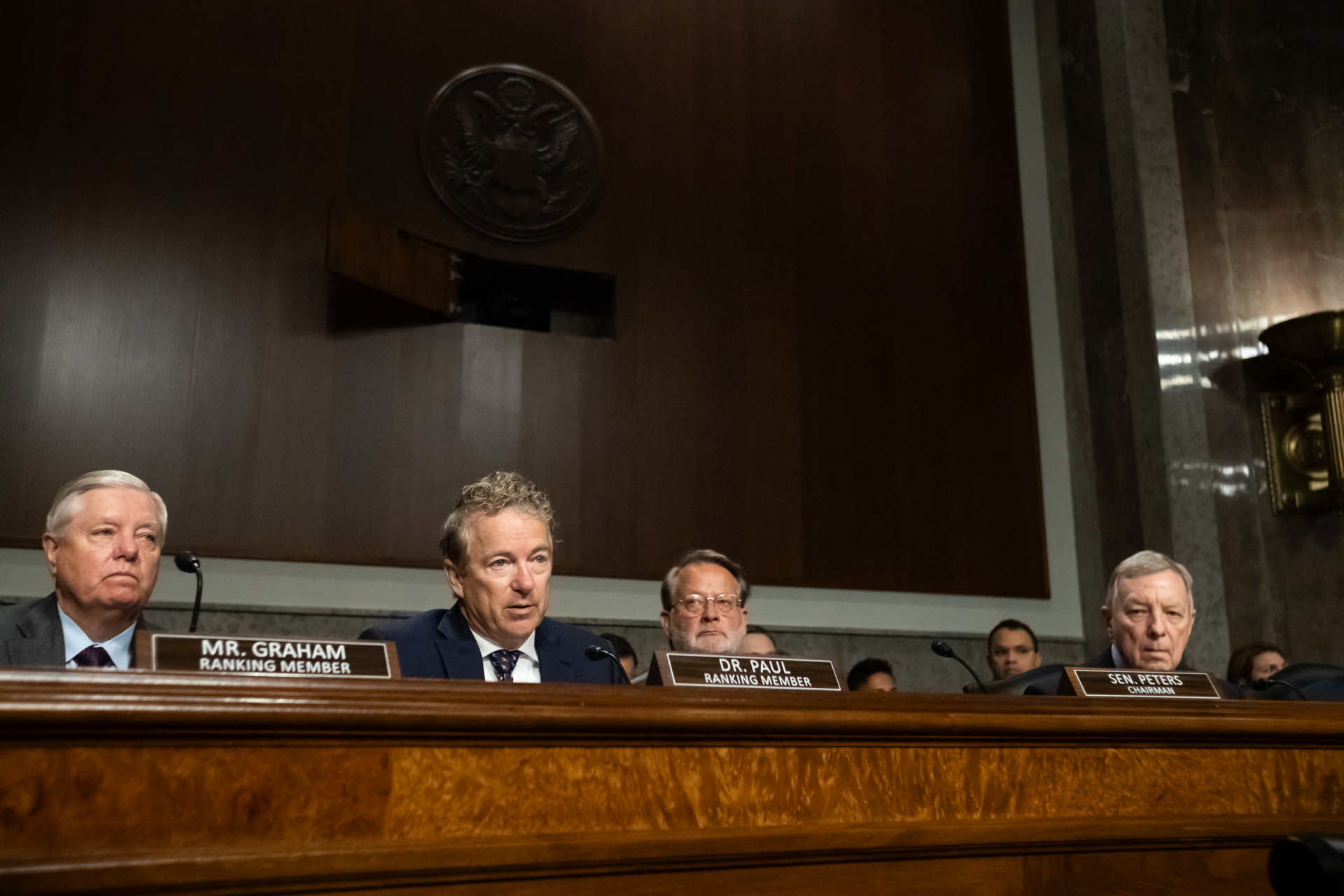
As Chairman of the Senate Homeland Security and Governmental Affairs Committee, I’ve led a thorough investigation into the lapses that occurred before, during, and after that tragic day. On the one-year anniversary, I am releasing our findings—and the facts are disturbing.
A Systemic Breakdown
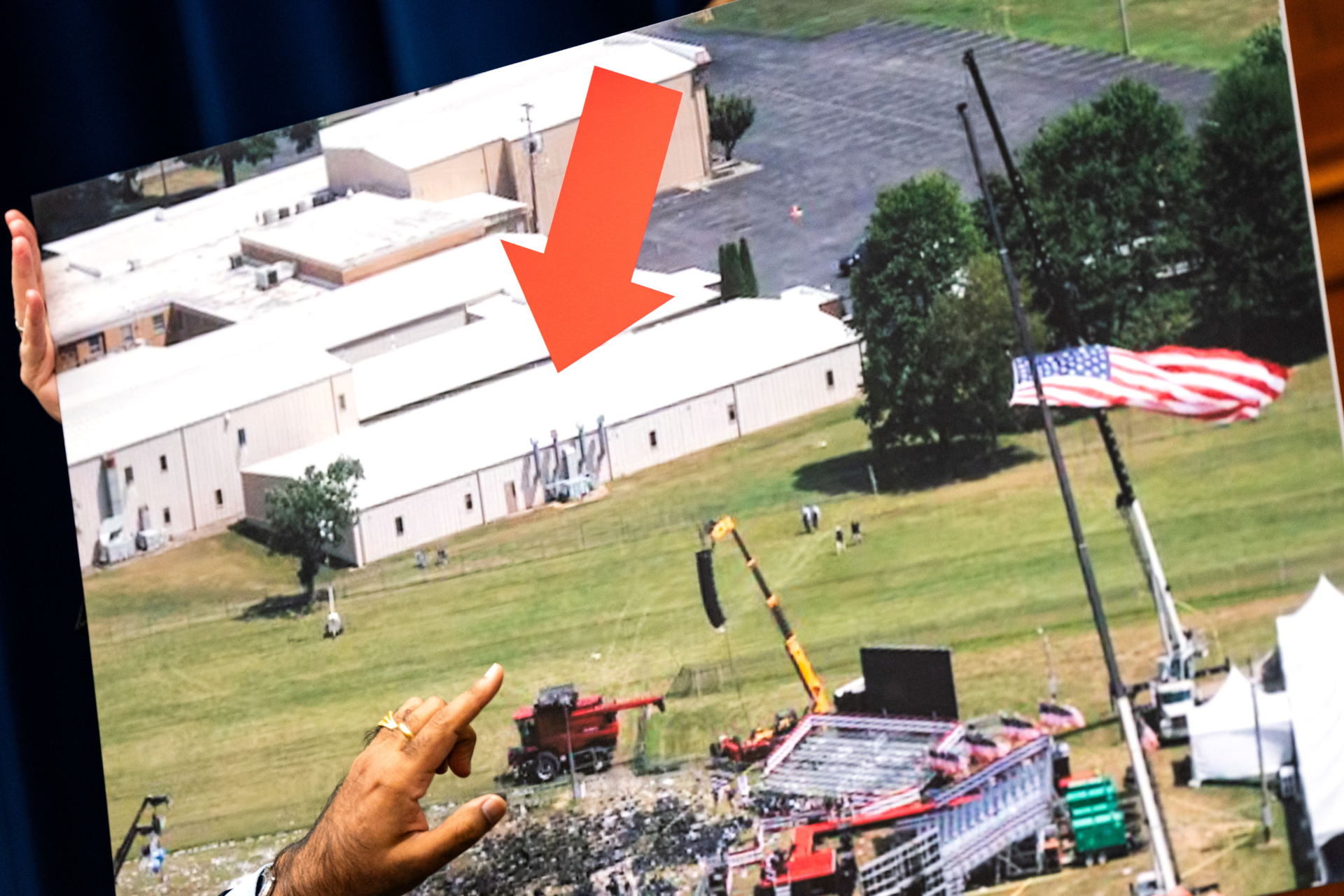
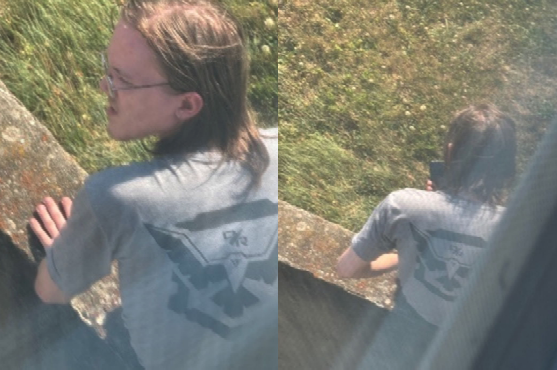
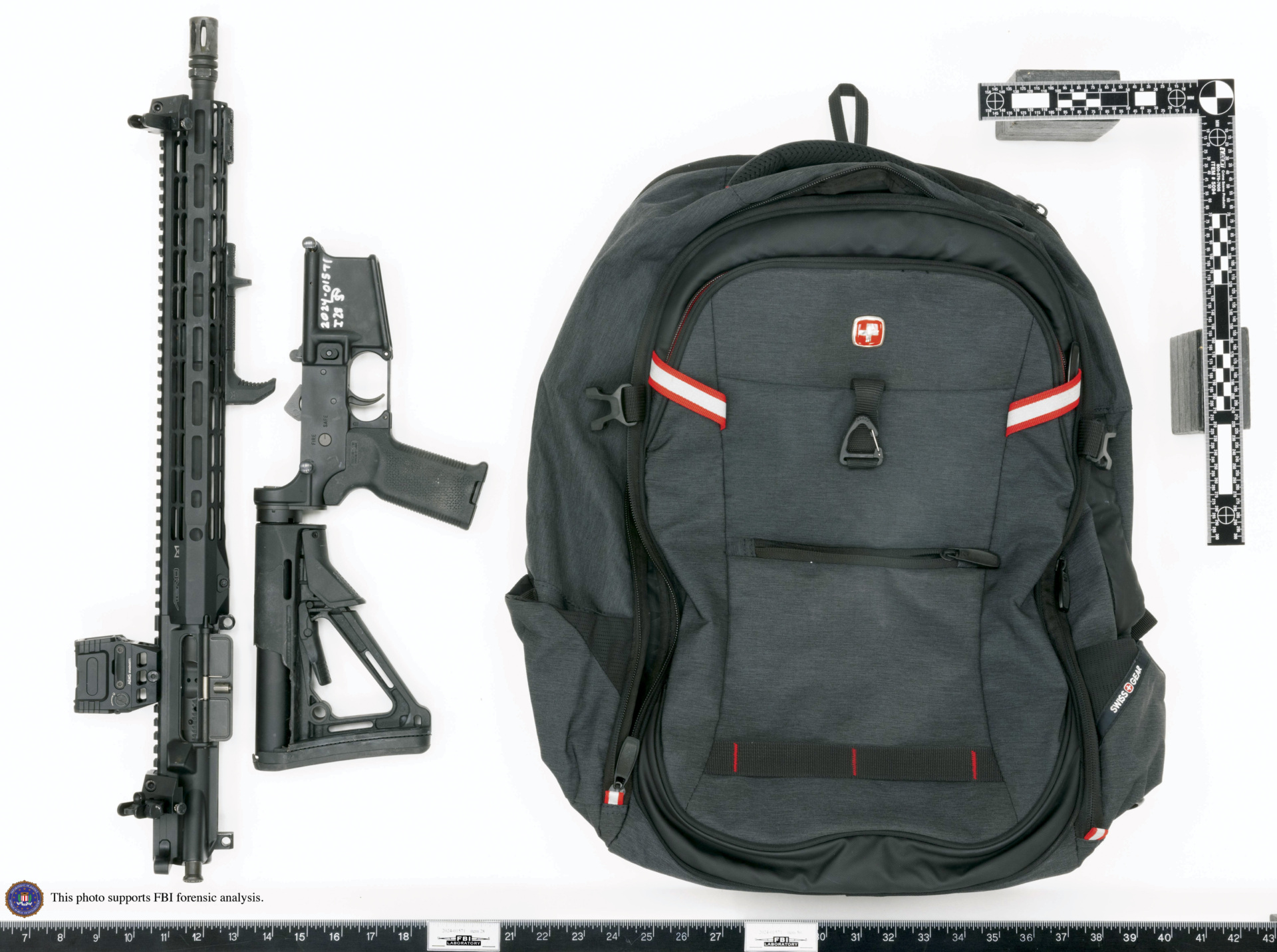
This was not a case of a skilled attacker outmaneuvering his protectors. It was a complete failure of coordination, planning, and response. For nearly 45 minutes, the gunman—Thomas Matthew Crooks—roamed freely, eventually positioning himself with a direct line of sight to President Trump.
The Secret Service had been warned. They had intelligence dating back years—including a 2022 Iranian propaganda video depicting an attack on Trump. One day before the Butler rally, a Pakistani man with links to Iran’s Revolutionary Guard was arrested for a plot to assassinate U.S. officials. Despite escalating threats, the Secret Service denied or ignored at least 10 requests from field agents for more personnel and resources to protect Trump on the campaign trail.
Worse, there was no formal system for requesting or tracking resources. Some agents didn’t even bother submitting requests, believing they’d be denied regardless. Top officials later admitted they had failed to grasp the unique challenge of protecting someone who was both a former president and an active candidate.
Security Failures at Butler
At the Butler rally, failure was everywhere:
- Lack of coordination: Agents used cell phones instead of radios to communicate with local police.
- Known vulnerabilities ignored: No action was taken to address identified line-of-sight risks.
- Drone surveillance failure: A drone flown at the site—against regulations—was not properly flagged, and counter-drone systems were nonfunctional.
- Warnings missed: A suspicious individual with a rangefinder was reported, but this was never relayed to Trump’s immediate security detail.
- Poor planning: A key communication officer hadn’t even seen the state and local operations plan until months later during our investigation.
No Real Accountability
Despite the magnitude of these failures, not a single person at the Secret Service has been fired. Six staff members received disciplinary action, two less than initially recommended. The agency tried to withhold this information from Congress—I had to subpoena it.
Let me be clear: the Secret Service exists to protect the lives of our nation’s leaders. On that day in Butler, they failed.
A Call for Reform
The American people deserve better. President Trump deserved better. So did Corey Comperatore, the father and firefighter who was killed in the attack.
The Secret Service must implement serious reforms. No more vague protocols. No more failed communications. No more ignoring threats until it’s too late. The threats facing public officials today are more complex and dangerous than ever. That demands precision, preparation, and professionalism—not improvisation.
This must never happen again. Lives are on the line.
— Dr. Rand Paul is the U.S. Senator from Kentucky and Chairman of the Senate Homeland Security and Governmental Affairs Committee.