NATO has been on high alert since Russia invaded Ukraine more than three and a half years ago. But a recent increase in airspace violations has experts worried that a war with Moscow might not just be a warning anymore—it could be inevitable.
President Donald Trump said on Thursday that the U.S. could “end up in World War III” because of Russia’s war in Ukraine. He also said Russian President Vladimir Putin had “let him down” by refusing to end the fighting.
The next day, Russia sent three fighter jets over Estonia’s capital, Tallinn, breaking its airspace. This caused another NATO member to trigger Article 4 for the second time in two weeks.

RUSSIAN JETS VIOLATE ESTONIAN AIRSPACE, FOREIGN MINISTER SAYS
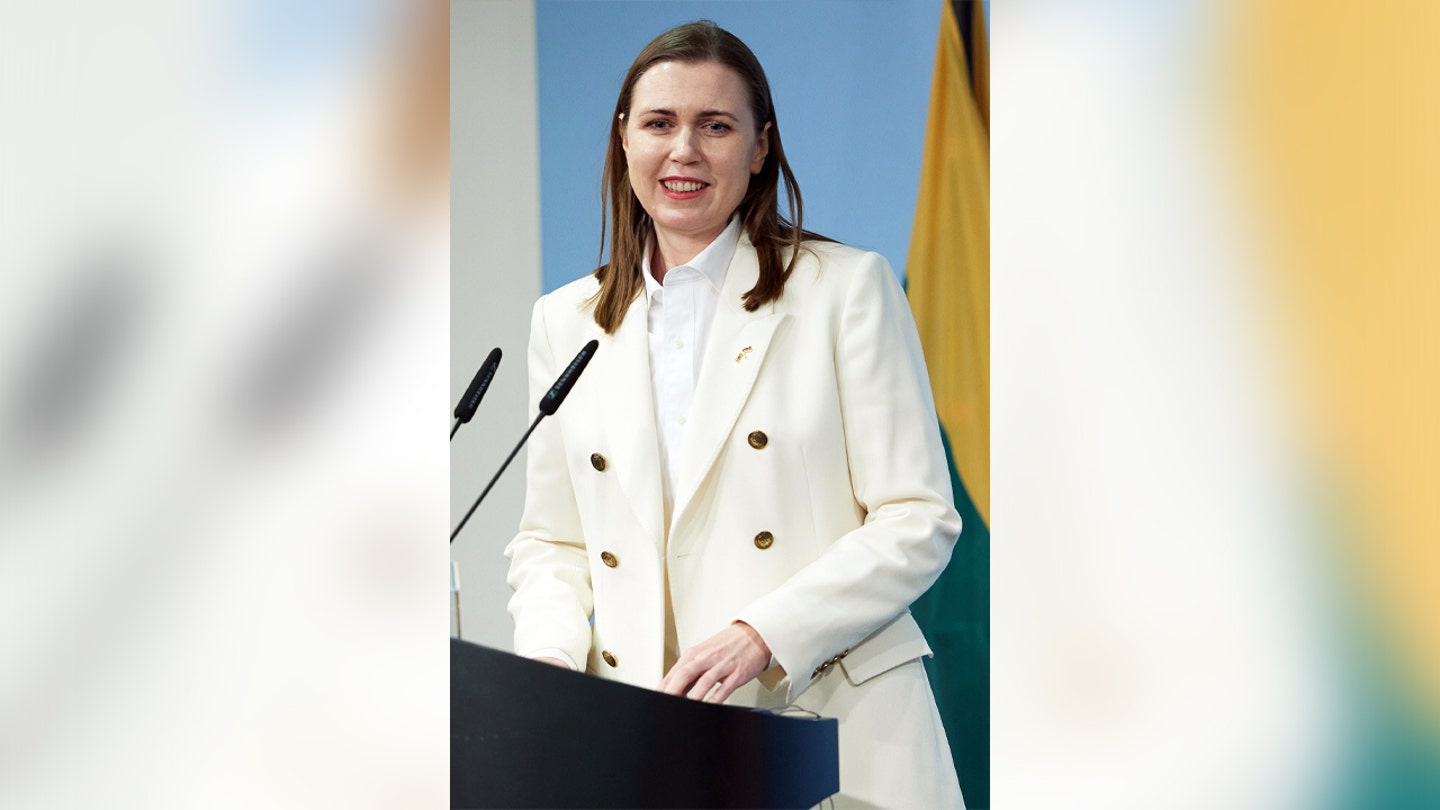
“Russia is testing NATO again— dozens of drones in Poland last week, drones in Lithuania, Latvia, Estonia, and now fighter jets in Estonian skies. These are deliberate provocations,” Lithuanian Defense Minister Dovile Sakaliene told Fox News Digital. “They are deliberate tests—tests of our readiness, our resolve, and of the limits of our deterrence.”
Sakaliene said this violation was part of “an escalating pattern of pressure by Russia.”
“For Estonia, Poland, Lithuania, and all of NATO’s eastern countries, this is a direct threat—not just to borders, but to citizen safety,” she added.
The minister warned that NATO’s biggest defense right now, apart from its military readiness, is showing a united front. This could stop Moscow from taking direct action against a NATO member and starting a global war.
“Our biggest risk currently is miscalculation by Russia,” Sakaliene said. “Does Russia think NATO will ignore violations of its territory? Does Russia think Europe will not strike back together with [the] United States?
“That’s now the last line of defense before war with Russia could happen,” she added.
Trump says WIII could happen over war in Ukraine
Concern about NATO fighting directly with Moscow increased earlier this month when at least 19 Russian drones flew over Polish airspace. NATO responded by firing on Russian drones for the first time since the war began, taking down up to four of them.
Trump suggested the drone attack might have been a mistake, but Poland said it was “deliberate” and “planned.”
Drone strikes are a common Russian tactic in its war against Ukraine. The number of drones peaked in July with 6,297 fired across Ukraine. In August, the number fell to 4,216, though most were launched between Aug. 16 and 31, after Trump met Putin in Alaska on Aug. 15.
An American company near Hungary and Slovakia was also hit by “several” Russian cruise missiles in late August.
“The scope of air attacks from Russia to Ukraine is rising,” Sakaliene said. “They are using more drones, more rockets, and it is expected to increase.”
She added, “We have to accept this new reality. Russia’s high-intensity war against Ukraine is ongoing. That means more drones will enter the airspace of neighboring countries and even further.”
Russia has increasingly used “gray-zone” tactics—actions that are aggressive but not full-scale war—to test NATO’s response.
In the last month, Polish airspace was violated three times by Russian drones, including some carrying explosives from Ukraine and Belarus.
Just three days after the drone attacks on Poland, a Russian drone entered Romanian airspace. A French fighter jet and a Polish helicopter responded under NATO’s Operation Eastern Sentry, a defense mission launched just one day before.
Earlier, Lithuania had reported two incidents where Russian Gerber drones crossed its borders, including one carrying explosives.
Experts have also raised concerns about Russian officials’ rhetoric. Earlier this month, the Institute for the Study of War (ISW) pointed to an op-ed by former Russian President Dmitry Medvedev. In the piece, published on Sept. 8 in TASS, Medvedev called Finland “Russophobic” and accused the country of preparing for war against Russia while joining NATO under the “guise” of defense.
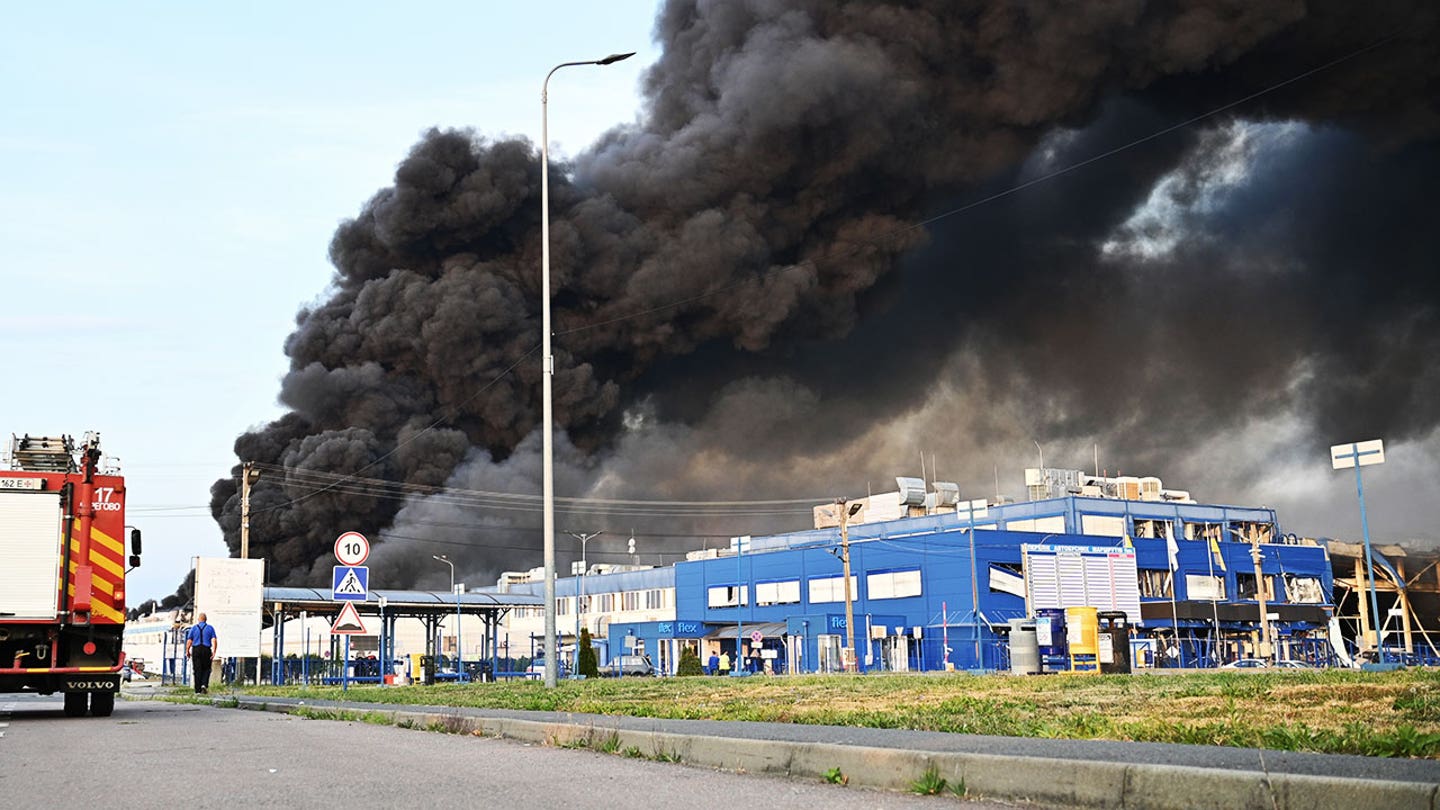
Multiple Kremlin officials, including Putin, have said Finland could be used as a “springboard” to attack Russia.
“Russia has been preparing conditions to attack NATO for years: building new divisions and strengthening command on NATO’s eastern flank,” George Barros, Senior Russia Analyst at ISW, told Fox News Digital. “The Kremlin is creating stories and justifications for why Finland, the Baltic States, and Poland are not real countries. These are steps toward future war.”
Sakaliene also highlighted Russia’s use of “soft power,” through media and social media, to influence public opinion. She warned that this method is “alarmingly effective.”
“We see a very aggressive country investing heavily in its military,” she said. “Even with heavy losses, Russia continues in Ukraine and expands its capabilities. This raises doubts about whether all this military power is only for Ukraine,” Sakaliene added.