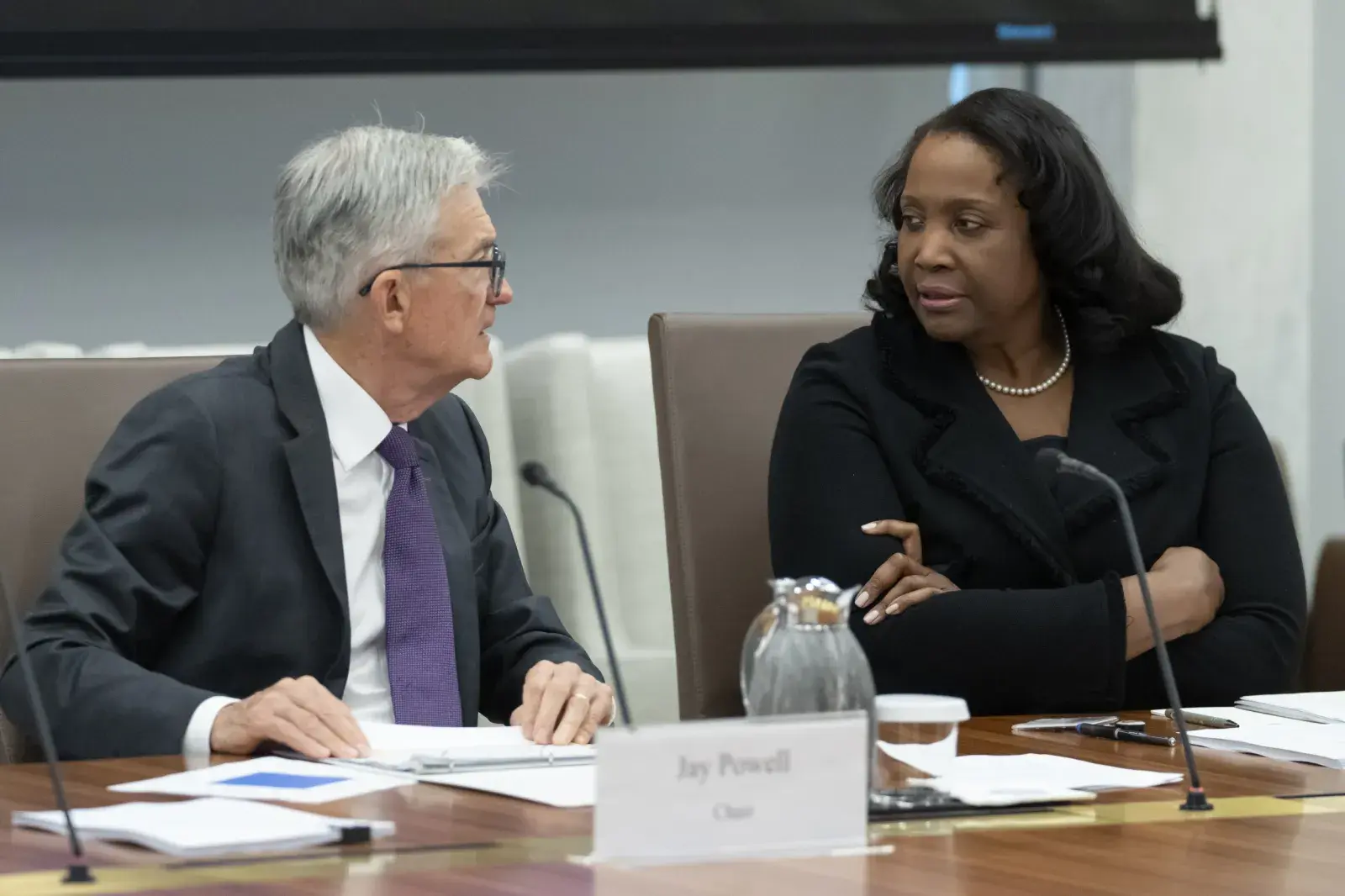

Former Federal Reserve chairs Alan Greenspan, Ben Bernanke, and Janet Yellen, along with other senior economic officials appointed by presidents of both parties, have called on the Supreme Court to defend the Fed’s independence and allow Governor Lisa Cook to remain in her role while her legal case continues.
Why It Matters
The intervention comes as the justices weigh an emergency appeal from the Trump administration seeking Cook’s removal. President Donald Trump announced on August 25 that he was firing Cook, accusing her of “deceitful and potentially criminal conduct in a financial matter” and citing alleged mortgage fraud. Cook is challenging that decision in court.
The dispute has sparked significant debate over presidential authority and the independence of the Federal Reserve.
What to Know
The former officials warned that removing Cook now “would expose the Federal Reserve to political influences, thereby eroding public confidence in the Fed’s independence and jeopardizing the credibility and efficacy of U.S. monetary policy.”
They argued that maintaining Cook in her position while the case proceeds “would serve the public’s interest by safeguarding the independence and stability of the system that governs monetary policy in this country.”
The independence of the Fed, they noted, is essential for ensuring trust in the U.S. economy, controlling inflation, and keeping borrowing costs moderate for households, businesses, and the government.
They further cautioned that allowing the removal of a governor under legal dispute “will erode public confidence in the Fed’s independence and threaten the long-term stability of our economy.”
Legal and Expert Views
Michael McAuliffe, a former federal prosecutor, told Newsweek that the Court’s rulings suggest “its longstanding precedent endorsing Congress’s limits on a president’s ability to fully control the leadership of independent agencies is at grave risk.” This could weaken protections for many agencies, though he added the Fed may be treated differently because of its unique role and quasi-public structure.
Barbara McQuade, another former federal prosecutor, told Newsweek that Trump lacks the authority to dismiss Cook, arguing that disputed allegations of mortgage fraud “do not seem to amount to cause.” She warned that stripping Congress of oversight could undermine civil service protections that have existed since the Pendleton Act of 1973.
She noted that while some justices appear receptive to the “unitary executive theory,” the Fed’s hybrid public-private design may lead the Court to treat it differently: “Perhaps they recognize the danger of allowing a president to replace governors, who might put short-term political interests ahead of long-term economic stability.”
Trump’s push marks an unprecedented attempt to remake the central bank. In its 112-year history, no president has ever removed a sitting Fed governor.
Why Did Trump Move to Fire Lisa Cook?
A lower court and an appeals court have ruled against Trump’s effort, but his administration has now taken the case to the Supreme Court.
Trump has alleged that Cook engaged in mortgage fraud by claiming two properties as “primary residences” in July 2021, shortly before joining the Fed board. Such claims can qualify borrowers for better rates and lower down payments. Cook has denied wrongdoing, and Reuters has reported that documents undermine the administration’s allegations.
Broader Implications
In their filing, the former Fed chairs and officials stressed that the central bank’s credibility relies on public trust: “When confidence in Fed independence weakens, those independent actors will react to monetary policy in a way that undermines the long-term goals of the Federal Reserve.”
McAuliffe added that the Court could sidestep broader questions of independence by narrowly interpreting what constitutes “cause” for dismissal of a governor.
Trump, in his termination letter, wrote that Cook’s alleged conduct amounted to “gross negligence in financial transactions” and questioned her competence as a regulator.
Former Fed vice chair Alan Blinder told CNN that Trump’s attempt to fire Cook risks turning the central bank into “an arm of the Trump administration,” warning that such politicization would be “very bad for monetary policy.”
What Comes Next
The Supreme Court’s decision on the case remains pending. The outcome could shape not only the future of Lisa Cook’s tenure but also the balance between presidential power and the Federal Reserve’s independence for years to come.