
Global energy markets are in a state of high-velocity upheaval as crude oil prices surged past the $100-per-barrel threshold this week, fueled by a widening military conflict between a U.S.-Israeli coalition and Iran. The effective closure of the Strait of Hormuz—the world’s most critical maritime chokepoint—has removed approximately 20% of the global oil supply from the market, triggering what the International Energy Agency (IEA) has labeled the “largest supply disruption in history.”
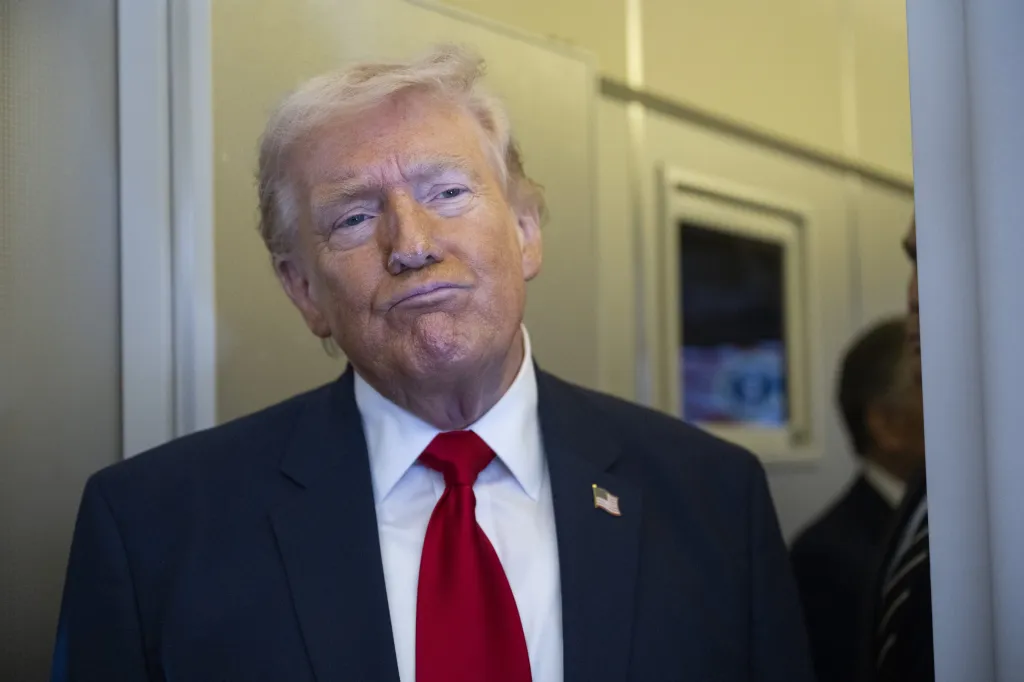
The crisis has placed President Donald Trump’s energy agenda under intense scrutiny. Despite campaign pledges to restore and protect the Strategic Petroleum Reserve (SPR), the administration was forced this week to authorize an emergency release of 172 million barrels. Critics and market analysts suggest these maneuvers leave the nation’s emergency safety net “in shambles” as regional instability shows no signs of abating.
The “Hormuz Hole”: 10 Million Barrels Vanish
The primary driver of the price explosion is the near-total halt of tanker traffic through the Strait of Hormuz. Following U.S. and Israeli airstrikes on Iranian infrastructure on February 28, Tehran retaliated by targeting regional production facilities and effectively blockading the waterway.
- Supply Shock: The IEA estimates that 10 million barrels of oil per day will be removed from the market starting this month.
- Price Volatility: Brent crude, which traded near $73 before the conflict, spiked as high as $114.30 before stabilizing just above $100.
- Infrastructure Damage: Iranian drone strikes have reportedly hit the Shah natural gas field in the UAE and the Majnoon oil field in Iraq, further tightening the global squeeze.
“We are witnessing a geoeconomic firestorm,” said a senior analyst at the Council on Foreign Relations. “The math is simple: if the Strait remains closed, we could see prices test $170 per barrel by summer.”
The SPR Gamble: Pledges vs. Reality
The Trump administration, which frequently criticized the previous use of the SPR to lower gas prices, now finds itself utilizing the same mechanism on an unprecedented scale.
On March 11, Energy Secretary Chris Wright announced the U.S. would contribute 172 million barrels to a coordinated 400-million-barrel IEA release. The drawdown will take approximately 120 days.
| Metric | Current Status (March 2026) |
| Current SPR Level | ~415 Million Barrels |
| Authorized Drawdown | 172 Million Barrels |
| Projected Post-Release Level | ~243 Million Barrels |
| Replenishment Target | 200 Million Barrels (within 1 year) |
While the Department of Energy (DOE) maintains that the U.S. will replace the barrels with a “premium” at no cost to the taxpayer, skeptics point out that the SPR currently sits at roughly 415 million barrels—far below its 714-million-barrel capacity. A release of this magnitude could leave the reserve at its lowest level in decades, a vulnerability that market hawks argue undermines national security during active hostilities.
Domestic Impact: $4 Gasoline Returns
For American consumers, the geopolitical strife is hitting home at the pump. National average gasoline prices have climbed 7.5% to over $3.20 per gallon, with California and other high-cost states already seeing prices soar past $5.00.
The Federal Reserve is reportedly monitoring the situation for inflationary “second-round effects.” Economists warn that a sustained $30 increase in oil prices typically reduces U.S. GDP growth by nearly 0.5 percentage points, potentially stalling the domestic economic momentum the Trump administration has sought to champion.
As the war enters its third week, the “Energy Independence” narrative is facing a harsh reality check. Despite being the world’s top producer, the U.S. remains tethered to a global pricing structure dictated by the stability of Middle Eastern shipping lanes—lanes that are currently a theater of war.