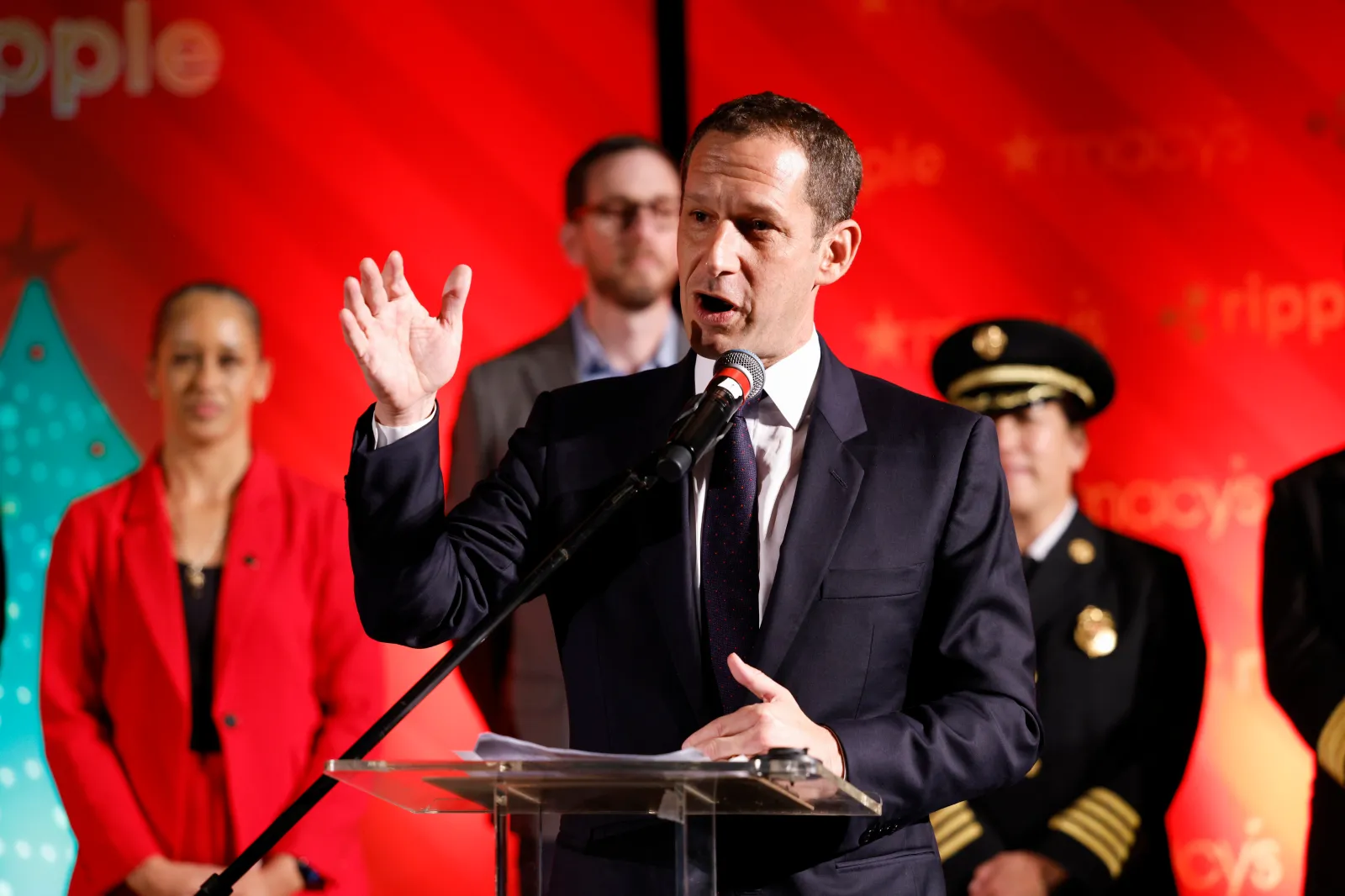

San Francisco Mayor Daniel Lurie has signed a new ordinance establishing a reparations fund aimed at addressing the impacts of slavery and racial discrimination, following approval by the city’s Board of Supervisors earlier this month.
In a statement to Newsweek, Lurie underscored that the measure creates only the framework for a fund and does not allocate any city dollars.
“I was elected to drive San Francisco’s recovery, and that’s what I’m focused on every day,” Lurie said. “We are not allocating money to this fund—with a historic $1 billion budget deficit, we are going to spend our money on making the city safer and cleaner.”
The ordinance follows recommendations that included potential one-time payments of up to $5 million for eligible Black San Franciscans.
Why It Matters
Supporters of reparations argue that government action is necessary to address the long-term effects of slavery and systemic racial discrimination in the United States. Evanston, Illinois, became the first city to offer reparations to some Black residents in 2021, and other cities have since created task forces to explore similar efforts.
What to Know
The Board of Supervisors passed the ordinance to create a reparations fund designed to implement recommendations from the San Francisco Reparations Plan 2023. That plan proposed a “one-time, lump sum payment of $5 million to each eligible person.”
According to the report, such a payment would compensate for decades of harm and economic losses experienced by Black San Franciscans as a result of both deliberate policies and unintended consequences of city actions.
However, the new law does not include any funding. City leaders could choose to allocate money or accept donations at a later date. Any payments—including the proposed $5 million figure—would depend entirely on available funding, and eligibility criteria have not yet been finalized.
Under the ordinance, the fund will be administered by the city’s Human Rights Commission and used solely to support and implement recommendations outlined in the Reparations Plan.
The measure passed the Board of Supervisors on December 9 and received the mayor’s approval on December 23.
The African American Reparations Advisory Committee’s 2023 report outlined a range of proposals beyond lump-sum payments. These included income supplements for lower-income African American households, expanded access to financial education, and the creation of a debt forgiveness program. The report also documented numerous examples of racial discrimination throughout San Francisco’s history.
What People Are Saying
Supervisor Shamann Walton told local station KGO that the ordinance represents an initial step rather than an immediate financial commitment.
“This most certainly is different than asking the city to pony up dollars to support reparations recommendations,” Walton said. “It’s going to take some time. We’ve got to build a pot and then come up with the right criteria for prioritizing which recommendations to address first. But this is a major first step.”
Journalist Gerald Posner criticized the move on X, writing that the city’s leadership was creating a reparations framework despite a billion-dollar deficit, calling it “not governance” but “a farce.”
Journalist Corey Walker also wrote on X that the measure would likely face legal challenges, arguing it would be struck down under the 14th Amendment and that eligibility criteria could be viewed as unconstitutional.
Reverend Amos C. Brown, writing in a San Francisco Chronicle opinion piece, argued that the ordinance fell short of meaningful action.
“An apology without action and a fund without an allocation are not reparations,” Brown wrote. “The time for waiting is over. The time for action has arrived.”
What Happens Next
The reparations fund currently has no money allocated to it. The ordinance will take effect 30 days after enactment, leaving future funding decisions and eligibility rules to be determined.