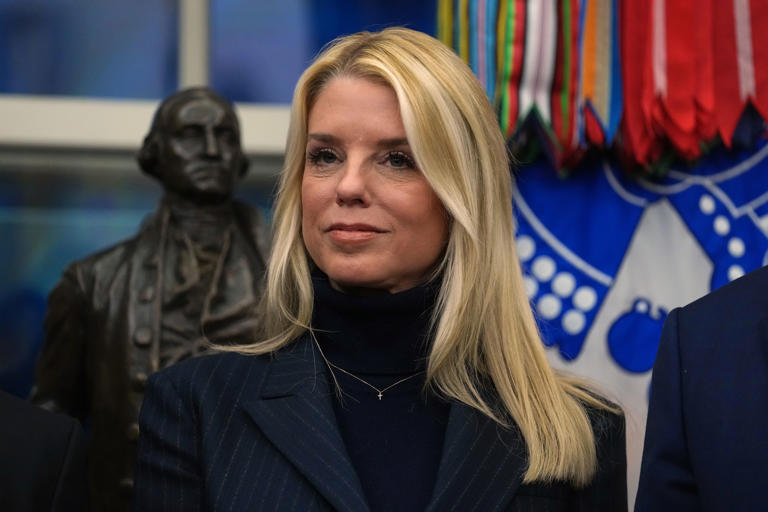

MINNEAPOLIS — Two federal judges have issued sharp rebukes of U.S. Attorney General Pam Bondi, alleging her social media activity violated court orders and compromised the integrity of ongoing criminal proceedings. The controversy centers on Bondi’s use of the platform X (formerly Twitter) to publicize arrests during a high-profile immigration enforcement surge in Minnesota, a move judges say “thumbed its nose” at the presumption of innocence.
Judicial Backlash Over Sealed Case Disclosures
In a scathing order released this week, U.S. Magistrate Judge Dulce Foster asserted that Bondi’s public posts—which included the names and photographs of defendants shortly after their arrests—directly violated a court order that had placed those cases under seal.
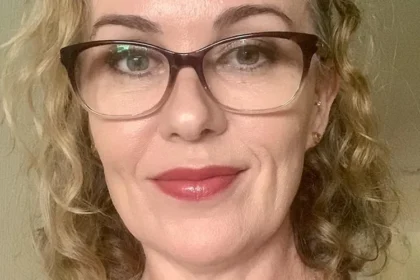
The criticism surfaced during the prosecution of Nitzana Flores, a South Haven resident accused of assaulting Border Patrol officers during a Minneapolis scuffle last month. Judge Foster noted a striking contradiction in the government’s legal strategy: while Bondi was publicly blasting the defendants’ identities online, federal prosecutors were simultaneously asking the court to prohibit defense attorneys from disclosing the personal information of immigration agents.
“The government failed to respect Ms. Flores’s dignity and privacy, exposed her to a risk of doxxing, and generally thumbed its nose at the notion that defendants are innocent until proven guilty,” Judge Foster wrote.
A Pattern of “Eyebrow-Raising” Conduct
Foster wasn’t the only member of the bench to voice concern. In a separate Minneapolis case last week, Magistrate Judge Shannon Elkins ordered the Department of Justice (DOJ) to address whether the public posting of booking photos violated specific sealing orders.
The DOJ missed an initial Tuesday deadline to respond to Elkins’ inquiry, though an extension was granted until Monday. These judicial interventions highlight a growing tension between the Trump administration’s enforcement messaging and the procedural mandates of the federal court system.
Shift in Longstanding DOJ Privacy Policies
The controversy underscores a radical shift in Department of Justice policy under the current administration.
The Obama-Era Precedent: In 2012, the DOJ instituted a nationwide policy refusing to release federal booking photos (mugshots) except to apprehend fugitives, citing privacy concerns.
The Current Stance: Since President Trump’s return to office, that policy appears to have been discarded in favor of a more aggressive public relations strategy.
While the federal government has historically publicized the names and hometowns of those arrested via formal press releases, the use of social media to distribute mugshots of individuals whose cases are technically under seal is a significant departure from standard protocol.
Recent Arrests and a Change in Tone
There are indications that the judicial pushback is forcing a tactical shift. On Friday, when announcing 30 new indictments related to a protest at a St. Paul church—a case involving nine original defendants including former CNN anchor Don Lemon—Bondi was notably more synchronized with the court’s timeline.
Her post, which read, “YOU CANNOT ATTACK A HOUSE OF WORSHIP… This Department of Justice STANDS for Christians,” was published within 60 seconds of the indictment being officially unsealed.
What’s Next: Legal and Ethical Implications
The outcome of Monday’s deadline for the DOJ to explain its actions to Judge Elkins will likely set a precedent for how the Department handles social media going forward. If the judges find that Bondi’s actions constituted a willful violation of a seal, the Department could face sanctions or protective orders that strictly limit how it communicates about active investigations.
Legal experts suggest this friction may lead to broader challenges regarding the “dignity and privacy” of federal defendants in an era where digital publicizing can occur faster than the filing of a court motion.