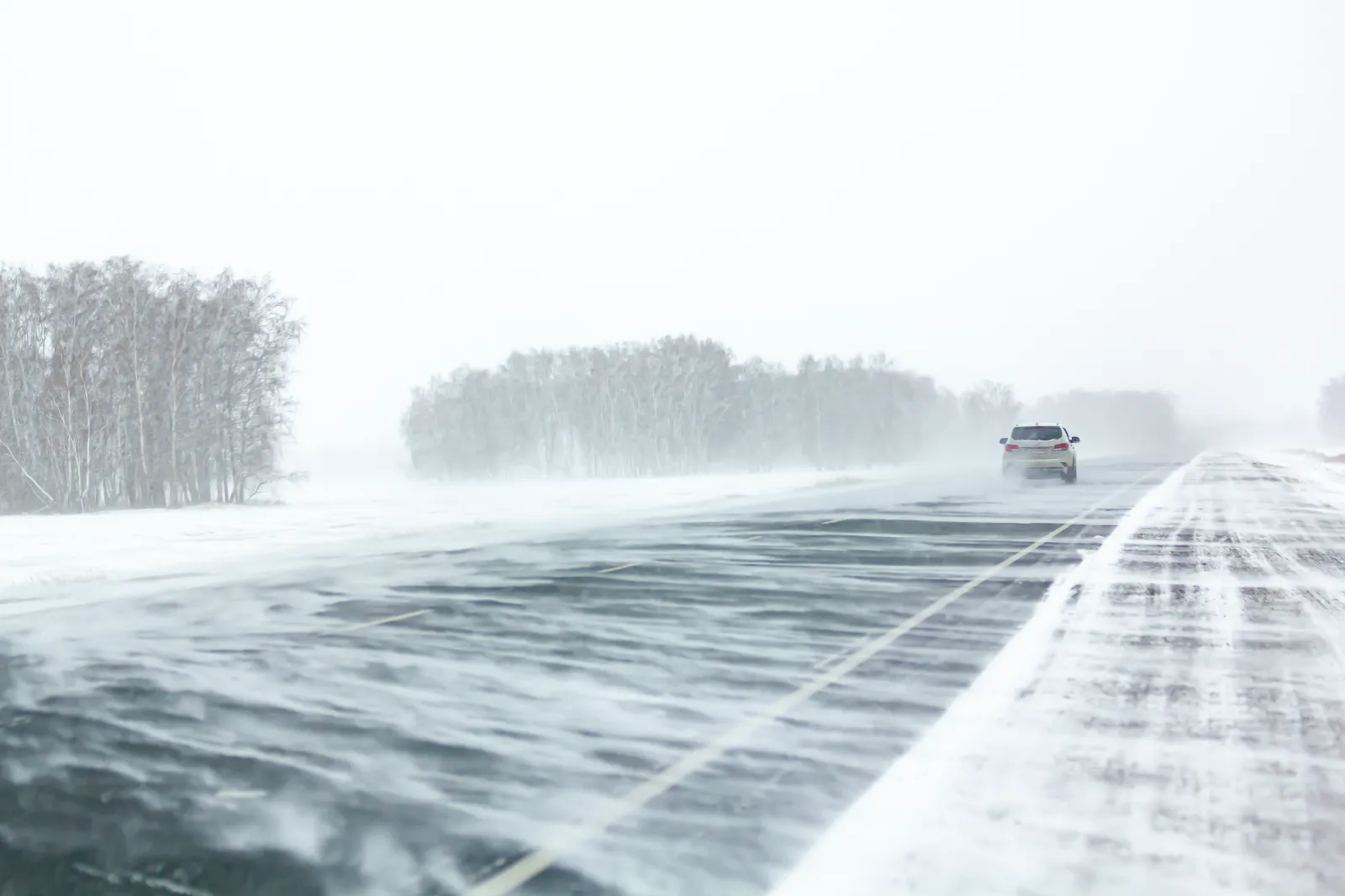

National Weather Service (NWS) meteorologists urged more than 1 million people across Pennsylvania on Monday afternoon to delay travel or safely exit highways ahead of fast-moving snow squalls expected to turn conditions “difficult” and “dangerous” within minutes.
The alert came as the Mid-Atlantic and Northeast dealt with gusty winds and bitter cold, triggering a range of winter weather headlines—from cold weather advisories to winter storm warnings. In parts of the region, strong winds and bursts of snow were forecast to combine into snow squalls, which the National Oceanic and Atmospheric Administration (NOAA) describes as sudden whiteout conditions that can quickly drop temperatures and ice over roads in just minutes.
NWS meteorologist Shannon Hefferan said the systems fueling the squalls were pushing east. While the threat was easing for the NWS Pittsburgh forecast area, the NWS State College office also had snow squall warnings posted. Hefferan said a passing cold front was driving the “intense” squalls.
A NOAA page describing the hazard notes that snow squalls—often tied to strong cold fronts—can arrive and depart quickly and typically last less than an hour. They may not produce major accumulations, but they can create outsized, sudden impacts for drivers and commerce. Despite snowfall often totaling about an inch or less, the mix of gusty winds, falling temperatures, and rapid drops in visibility can make roads extremely dangerous. NOAA also warns there is a long history of deadly traffic accidents associated with snow squalls.
The first snow squall warning was issued across northwestern Pennsylvania around 12:30 p.m. Eastern time, with similar warnings later posted for central Pennsylvania as the line moved across the state.
“Intense bursts of heavy snow and gusty winds leading to blowing snow and rapidly falling visibility. Wind gusts greater than 35 mph,” NWS Pittsburgh said in its warning. “Travel will become difficult and potentially dangerous within minutes.”
Officials said impacted routes included stretches of Interstate 70, 80, 79, 376, and the Pennsylvania Turnpike.
“There is no safe place on a highway when a snow squall hits,” the warning said. “Visibility and traction are immediately lost in whiteout conditions, making it difficult or impossible to slow down and avoid stopped vehicles. Delay travel or safely exit the highway before the snow squall arrives.”
As of 2:30 p.m. ET, the snow squall warnings were expected to expire within the hour. Forecasters cautioned that additional warnings could be issued later as conditions evolve, and urged residents to check local forecasts and alerts before traveling.