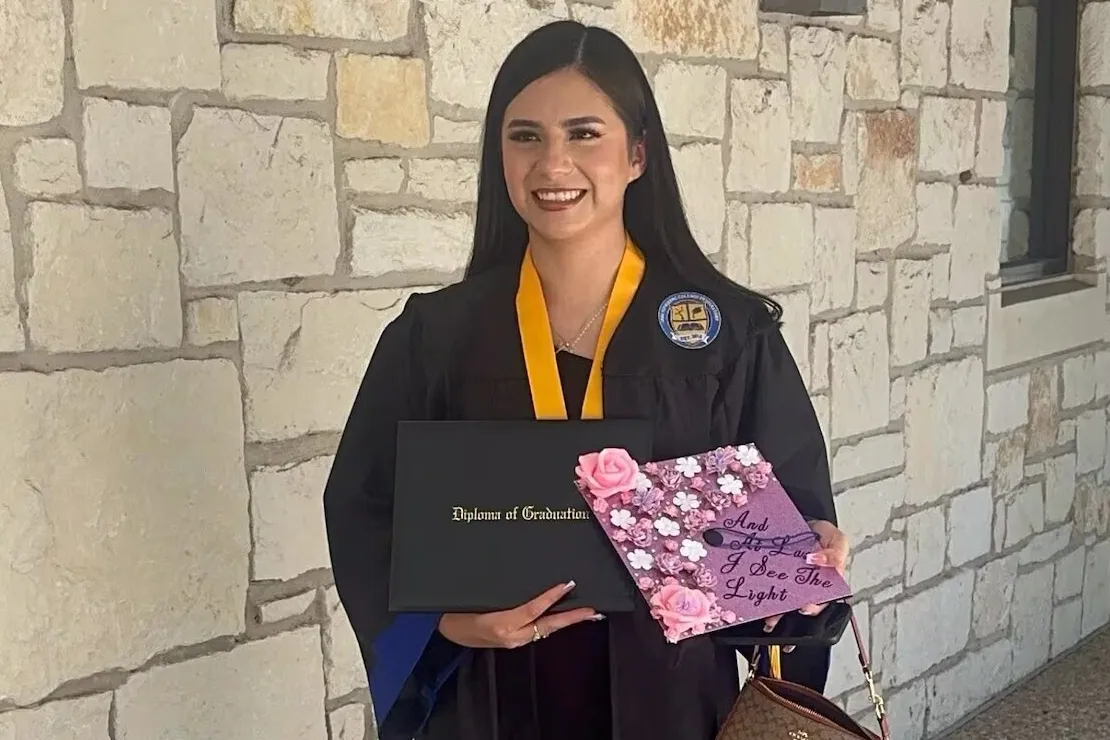

Federal lawyers for the Trump administration apologized in court after a Massachusetts college student was mistakenly deported just days before Thanksgiving, despite a judge’s order that she remain in the United States.
Nineteen-year-old Babson College freshman Any Lucia Lopez Belloza was detained in Boston on November 20, 2025, and flown to Honduras two days later. The removal happened even though a federal judge had issued an emergency order preventing the government from deporting her at that time.
In court, government attorneys acknowledged that an Immigration and Customs Enforcement officer failed to comply with the judge’s directive. They argued, however, that the mistake should not change the outcome of Lopez Belloza’s underlying removal case. Her attorney pushed back, saying the government’s actions stripped her of due process and amounted to a straightforward violation of the court’s order.
“On behalf of the government, we want to sincerely apologize,” Assistant U.S. Attorney Mark Sauter told the judge, adding that the employee involved understands “he made a mistake.” Sauter described the violation as “an inadvertent mistake by one individual, not a willful act of violating a court order.”
Lopez Belloza’s attorney was contacted by email for additional comment.
Why It Matters
The federal government rarely acknowledges errors in immigration enforcement, particularly when deportations are involved. A court apology underscores the seriousness of removing someone in direct conflict with a judge’s order—and raises broader questions about how such directives are communicated and followed in fast-moving deportation cases.
What To Know
Lopez Belloza came to the United States from Honduras as a young child. According to her attorney, Todd Pomerleau, she had already cleared security at Boston Logan International Airport when she was stopped at the gate in November, just before boarding a flight.
Her deportation on November 22 occurred despite an emergency order issued the day before. That order instructed the government to keep her in Massachusetts—or elsewhere in the United States—for at least 72 hours.
In a declaration filed January 2, the ICE officer involved said he did not notify an enforcement office in Port Isabel, Texas, to halt the removal. He stated that he believed the court order no longer applied once Lopez Belloza had been moved out of state.
Even after admitting the error, the government maintained the deportation was still lawful because Lopez Belloza and her mother were placed into removal proceedings in 2016. Their appeal was dismissed in 2017.
What People Are Saying
Pomerleau said in November that Lopez Belloza was separated from her family at a moment when they expected to be together. He described her as “such a remarkable young woman” and criticized the circumstances of her removal. He noted that she has two younger sisters, ages 2 and 5, who are U.S. citizens, and said the deportation left the family facing the holiday without her.
What Happens Next
Lopez Belloza is currently staying with her grandmother and is not in detention. She has also recently visited El Salvador, according to the account provided in court. Her attorney is asking that she be allowed to return to the United States.
District Judge Richard Stearns declined to hold the government in contempt and questioned whether he has jurisdiction over the case.