
President Donald Trump is poised to score a major political victory this July Fourth by pushing through what could be the most consequential legislation of his second term — a sweeping measure dubbed the “One Big Beautiful Bill Act.”
Branded in Trump’s signature style, the bill combines deep tax cuts with significant reductions in social safety-net programs. It delivers on key promises from his 2024 campaign: funding mass deportations, slashing green energy initiatives, and expanding benefits for certain working Americans — but it also offers large windfalls to the wealthy, reinforcing Trump’s complicated populist message and the ideological pivot of the modern Republican Party.
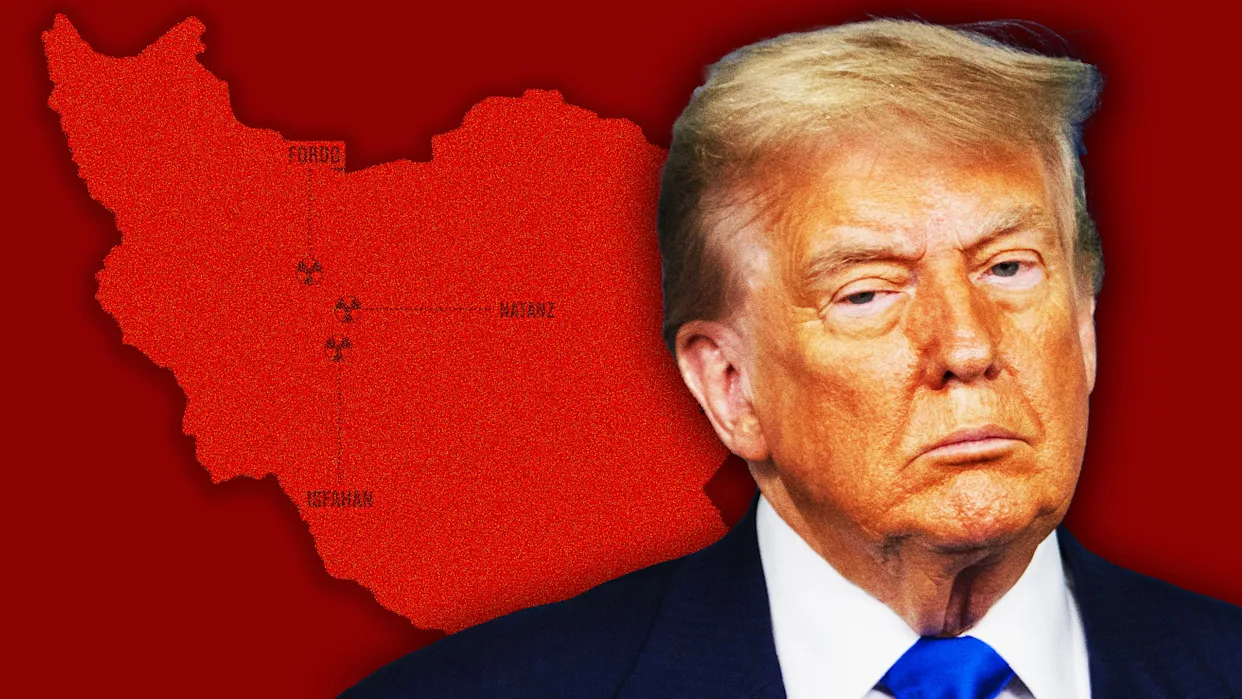
Trump’s ambitions go beyond domestic policy. Just days after a high-stakes military strike on Iran and a favorable Supreme Court ruling that strengthens his executive powers, the bill’s passage would further cement his image as a dominant political force reshaping both Washington and the global order.
A High-Stakes Legislative Push
The Senate worked through the weekend in a marathon session aiming for a final vote by Monday, racing to meet Trump’s preferred Independence Day deadline. However, because senators made significant changes to the House version, final passage is far from certain.
Hardline conservatives in the House Freedom Caucus remain uneasy over the bill’s effect on the national debt, while more moderate Republicans needed appeasement — including concessions on state and local tax deductions — to stay on board. Still, with Trump maintaining tight control over his base, the bill remains likely to pass in some form.
“This is the mandate we were given,” Sen. Katie Britt (R-AL) said Sunday on CNN’s State of the Union. “We’re securing the border, unleashing American energy, and helping working families keep more of their money.”
What’s in the Bill
The bill enshrines many Trump priorities into law, locking in policies that a future Democratic president would find harder to reverse than executive orders. Key provisions include:
- Major tax cuts favoring high earners and corporations.
- Elimination of taxes on tips and overtime, aimed at working-class voters.
- Expanded border security funding, with billions earmarked for deportation operations.
- Cuts to clean energy subsidies, ending many of the Biden-era climate incentives.
- Changes to Medicaid, pushing more cost burdens onto states and introducing work requirements for recipients.
It’s a policy document that blends Trumpian populism with classic GOP orthodoxy — cutting taxes for the rich while marketing relief to working Americans.
Yet, the Congressional Budget Office (CBO) estimates the bill would add $3.3 trillion to the deficit over 10 years, drawing criticism even from some Republicans. Sen. Thom Tillis (R-NC) voted against advancing the bill, warning that thousands in his state would lose Medicaid coverage. Shortly afterward, Tillis announced he would not seek reelection — a move some interpreted as fallout from his break with the party line.
A Medicaid Flashpoint
Perhaps the most controversial aspect of the bill is its overhaul of Medicaid. Republicans argue the reforms will ensure sustainability, requiring able-bodied recipients to meet work or volunteer minimums to maintain coverage.
“We want safety nets, not hammocks,” said Sen. Britt, reflecting a common GOP refrain.
But critics warn the changes will devastate rural healthcare and put millions at risk. Sen. Chris Murphy (D-CT) called it “a moral abomination” on NBC’s Meet the Press, citing CBO data suggesting that 10 to 15 million Americans could lose health coverage.
“For what?” Murphy asked. “To give the wealthiest families a $270,000 tax cut.”
Democrats argue the bill represents the largest upward transfer of wealth in modern U.S. history, cutting healthcare and nutrition support to fund tax breaks for billionaires and corporations.
Public Opinion Is Not on Trump’s Side
Despite Trump’s urgency, public support for the bill is low. A CNN analysis of four recent polls found an average approval deficit of 24 points — with just 31% supporting the legislation and 55% opposing it.
This raises the political risk for Republicans. If the bill passes, the GOP must convince voters of its benefits before midterms arrive — a task made harder by the delayed impact of tax policy and the immediate visibility of healthcare cuts.
Even if the bill passes, its legacy may depend on the narrative that wins out in the public square: Trump’s “America First” vision of economic empowerment or Democratic warnings of a costly, regressive betrayal of the working class.
The Stakes for Trump and the GOP
Trump’s ability to deliver on the bill is a test of his power, not just over Congress but over the future of the Republican Party. It’s a defining move in a second term already marked by sweeping executive actions, international tension, and aggressive court rulings expanding presidential authority.
For Trump, this is more than just legislation. It’s the foundation of his second-term legacy — and a statement about how far a populist conservative agenda can go in remaking American governance.
But if the political blowback is as intense as the polling suggests, the “One Big Beautiful Bill” could become a liability as quickly as it became a victory.