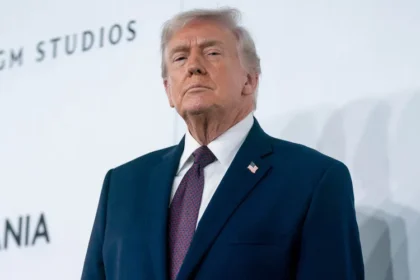
Former allies turned rivals, Tesla CEO Elon Musk and U.S. President Donald Trump have traded public jabs in recent weeks, with tensions peaking after Musk’s departure from the Department of Government Efficiency (DOGE). Now, Trump is pushing back against claims that he’s out to “destroy” Musk’s companies.
On Thursday, Trump addressed the controversy on Truth Social, writing:
“Everyone is stating that I will destroy Elon’s companies by taking away some, if not all, of the large-scale subsidies he receives from the U.S. Government. This is not so! I want Elon, and all businesses within our Country, to THRIVE — in fact, THRIVE like never before! The better they do, the better the USA does, and that’s good for all of us.”
Trump’s comments come just weeks after he publicly threatened to eliminate federal subsidies that have long benefited Musk’s business empire, including Tesla and SpaceX. At the center of the dispute is Trump’s so-called “Big Beautiful Bill,” a legislative package that, among other provisions, would slash tax credits for electric vehicle (EV) purchases — a policy that directly affects Tesla.
The Rift Over Subsidies and Policy
Trump’s shift in tone follows sharp criticism from Musk, who denounced the bill as a direct blow to innovation in clean transportation.
“He’s upset that he’s losing his EV mandate,” Trump previously said. “He can lose a lot more than that.”
While Musk has often argued against government subsidies on principle, Tesla has greatly benefited from them — including a $7,500 federal EV tax credit and the sale of regulatory credits, which have generated nearly $11 billion for the company.
SpaceX, Musk’s aerospace firm, also holds about $22 billion in federal contracts, making his companies highly dependent on government support despite his public stance against such aid.
Political Fallout and New Ambitions
The rift between the two figures, once close political allies, has alarmed some within the Republican Party. Musk was previously one of Trump’s largest supporters, reportedly spending hundreds of millions on his re-election campaign.
But the relationship soured quickly following the tax bill dispute, with Musk hinting at the creation of a new political movement. Days later, he formally launched the “American Party,” claiming it was designed to restore “freedom” to U.S. citizens.
Musk has also vowed to spend millions supporting candidates who oppose Trump-backed legislation, raising concerns that the feud could split Republican voters ahead of the 2026 midterm elections.
What’s at Stake for Musk
Musk’s most ambitious venture — Tesla’s upcoming robotaxi program — could be the most vulnerable. The U.S. Transportation Department, which regulates vehicle safety standards, holds significant sway over whether Tesla will be allowed to mass-produce autonomous vehicles without steering wheels or pedals.
Tesla’s stock has already taken a hit amid the political turmoil and policy uncertainty. As of Thursday evening, shares were down 7.67%, trading at $307.05.
Treasury Secretary Scott Bessent added fuel to the fire by responding to Musk’s criticisms of the bill:
“I’ll take care of the country’s finances,” he said.
While Trump has recently dialed back his threats, the strained relationship continues to unfold publicly — with potential consequences for Musk’s companies, the EV market, and the 2026 election landscape.