
Federal prosecutors under President Donald Trump could soon take aggressive legal steps to force journalists from CNN, The New York Times, and other outlets to reveal the sources behind leaked intelligence about a U.S. strike on Iran — and may threaten jail time if they refuse, a legal expert told Law&Crime.
The focus of the probe is a classified intelligence assessment described as having “low confidence” that the recent U.S. missile strike on Iranian nuclear facilities achieved the “total obliteration” President Trump publicly claimed. That internal assessment was leaked to the press — something the Trump administration now sees as a national security breach.
Secretary of Defense Pete Hegseth recently confirmed the FBI is working with the Pentagon to investigate the leak, accusing media outlets of using the report to “undermine the president’s success.”
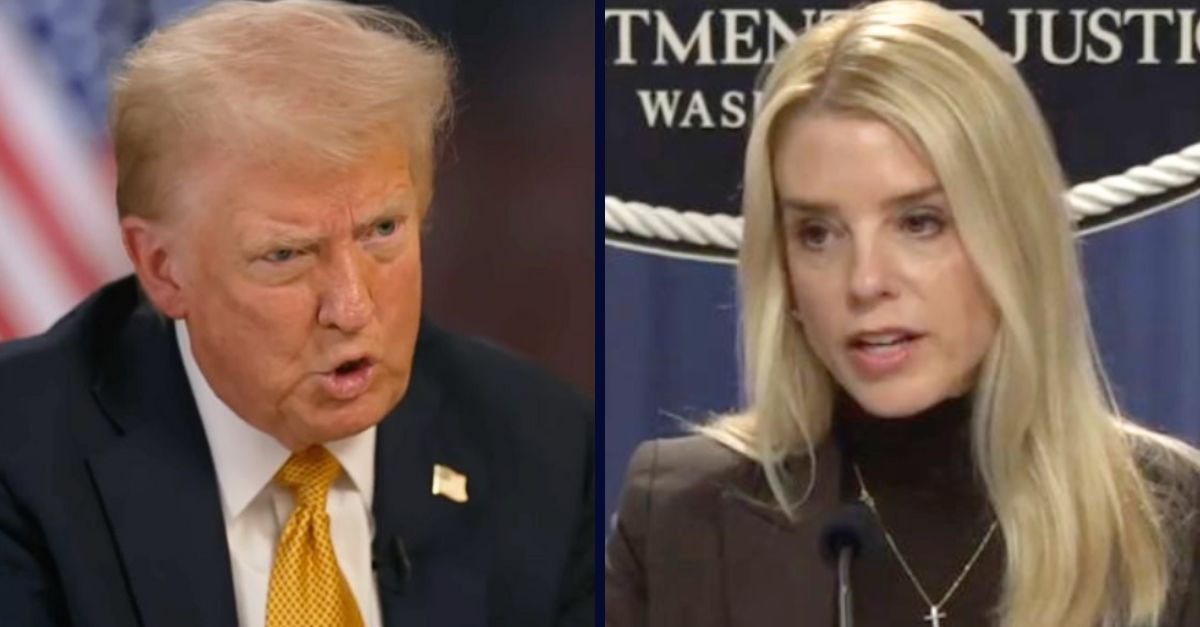
The case is getting traction in part due to a policy shift by Attorney General Pam Bondi, who in April rescinded Obama- and Biden-era rules that limited the Department of Justice from targeting journalists during leak investigations.
Bondi’s new memo states that DOJ will no longer refrain from seeking reporters’ records or testimony if doing so could reveal sources of national security leaks. The policy explicitly denounces “unauthorized disclosures that undermine President Trump’s policies” and declares that such leaks “must stop.”
Trump Hints at Prosecutions
In a recent Fox News interview, Trump said leakers behind what he called the “PERFECT FLIGHT” strike in Iran should be prosecuted.
“They should be prosecuted,” Trump told host Maria Bartiromo. “You go up and tell the reporter, ‘national security — who gave it?’ You have to do that. And I suspect we’ll be doing things like that.”
His comments came days after he publicly named CNN’s Natasha Bertrand and hinted at possible defamation lawsuits against CNN and The New York Times — but legal experts say the bigger threat is the DOJ itself.
Legal Experts Say Reporters Could Face Jail
Attorney Ross Garber, a leak investigation expert and Tulane Law adjunct professor, told Law&Crime that DOJ could now pursue journalists directly — with subpoenas, search warrants, and even jail time on the table.
“There is no federal shield law to protect journalists’ sources,” Garber said. “Now that the Garland-era protections are gone, reporters should expect to be caught up in this probe.”
Garber said DOJ under Bondi has “powerful tools at their disposal,” and may already be preparing to seize phone records, electronic communications, and force journalists to testify before a grand jury.
Could reporters end up in jail for refusing to reveal their sources?
“It’s entirely possible,” Garber warned. “A judge could order them detained unless they comply — even if they promised confidentiality.”
Worse, if DOJ believes reporters went beyond simply receiving leaked material — for example, if they encouraged or solicited classified information — they could face charges under the Espionage Act.
Garber cited the Obama administration’s case against Fox News’ James Rosen, whose emails were seized under a warrant naming him a “co-conspirator” in an Espionage Act investigation. He also pointed to Julian Assange, who was indicted under that same law for publishing classified military files and diplomatic cables.
From Prosecuted to Prosecutor
Trump himself once faced Espionage Act charges in the Mar-a-Lago classified documents case. But in July 2024, a judge he appointed ruled Special Counsel Jack Smith’s appointment was invalid, ending the prosecution. Months later, after Trump returned to the White House in January 2025, his DOJ dropped the case entirely.
Now, with the DOJ under Trump’s control and the Garland-era protections dismantled, the same legal mechanisms that once targeted Trump are poised to be used by his administration — against the press.