
The United States is weighing whether to strike Iran as unrest grows and pressure mounts on the country’s authoritarian leadership.
Iran’s government appears weaker than it has been in years, and instability in another major OPEC producer is adding to global anxiety—coming less than two weeks after the United States toppled Venezuela’s government.
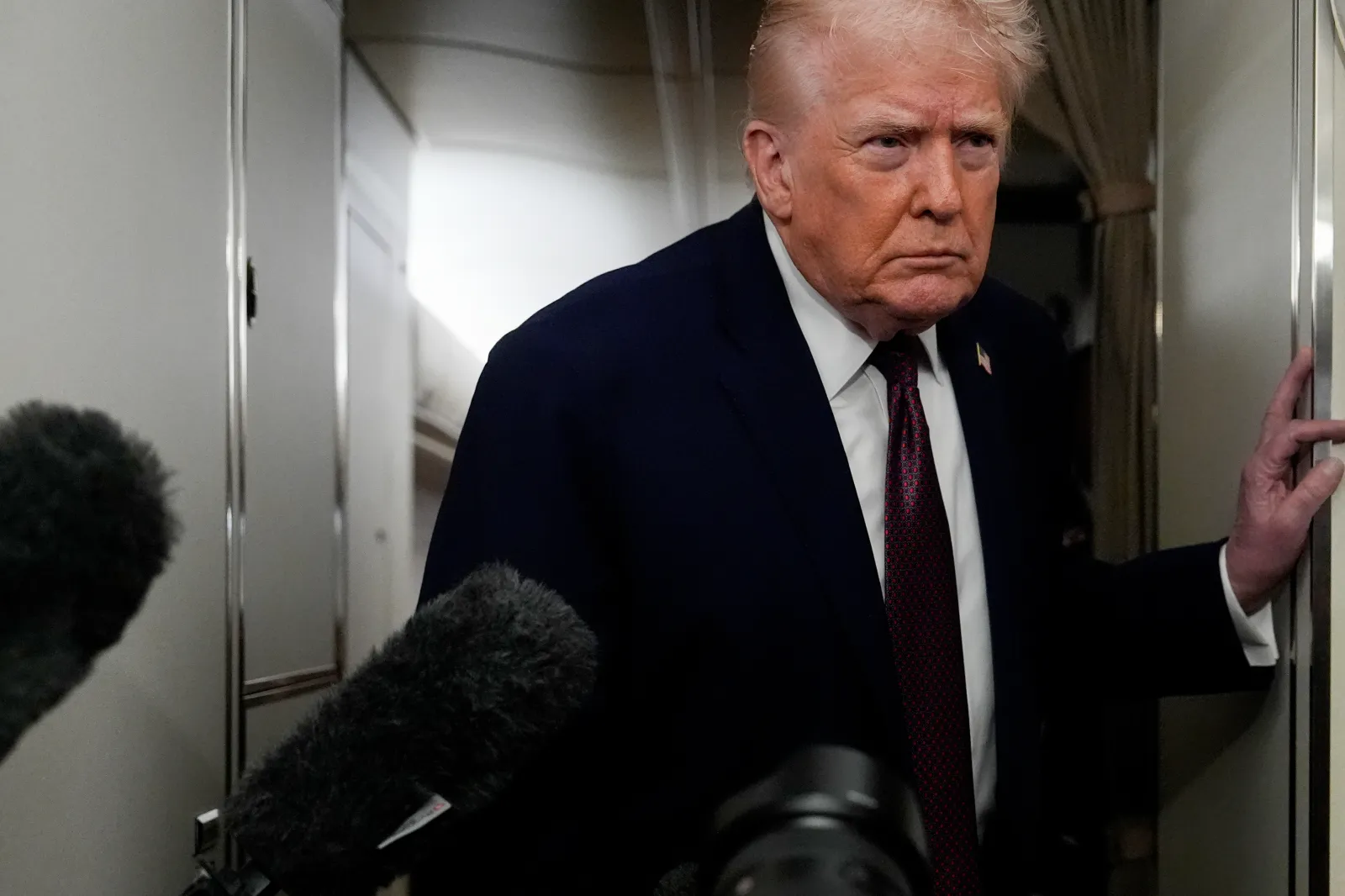
Protests have spread across Iran, and a lethal crackdown on demonstrators has reportedly crossed a “red line” President Donald Trump previously set. Trump has hinted his administration is considering an attack, though on Wednesday he said the United States would continue to “watch and see what the process is” before deciding whether to take action.
Whatever happens next, Iran’s role in the energy system—and its control of a vital maritime chokepoint—will shape outcomes well beyond the country’s borders.
Iran’s oil footprint is huge, even under sanctions
Iran pumps about 3.2 million barrels of oil per day on average, according to OPEC, roughly 4% of global crude output. That level of production is notable given the weight of international sanctions that restrict who can buy Iranian oil. To keep exports flowing, Iran has leaned on a “shadow fleet” and sells crude at steep discounts.
Still, Iran’s true capacity is far greater than today’s volumes. The country holds an estimated 209 billion barrels of proven reserves, behind only Venezuela and Saudi Arabia. And current production remains far below the mid-1970s peak of about 6.5 million barrels per day, before the Shah was overthrown.
China is central to Iran’s export survival. It bought 97% of Iran’s oil in 2024, according to the US Energy Information Administration. Iran’s energy sector also shares another similarity with Venezuela: nationalization and long-running state control after foreign oil assets were expropriated in earlier decades.
But Iran’s importance to the global system is larger than Venezuela’s.
“Iran is significantly larger than Venezuela for oil markets,” said Luisa Palacios, a former Citgo chairwoman and current managing director of Columbia University’s Center on Global Energy Policy. “Developments for Iran matter much more for oil markets in the near term, because of the risk of oil supply disruption.”
What could happen to oil prices?
Crude prices have already swung on the mere possibility of disruption. Oil climbed above $61 a barrel Wednesday as strike threats intensified—only a week after oil fell to $56 when Trump said US producers would ramp up output in Venezuela. On Thursday, prices dropped about 4%, slipping back below $60, after Trump suggested an attack was not imminent.
A US strike could push oil higher, but the size and duration of the move would likely hinge on two things: how broad the attack is and how Iran responds.
Markets have seen this pattern before. Crude jumped about 7% and moved above $74 a barrel in early June as tensions between Israel and Iran rose. Yet prices later fell after the United States carried out a major strike on three Iranian nuclear facilities—because it avoided hitting oil infrastructure, and Iran’s retaliatory missile launches were intercepted and widely viewed as largely symbolic.
Still, Iran has leverage that few countries can match.
The country controls the northern side of the Strait of Hormuz, a narrow passage crucial to global oil transport. Roughly 20 million barrels of crude per day—about one-fifth of daily global production—move through that corridor. It’s also the only route for shipping Persian Gulf crude to much of the world.
“Iran’s ability to cause chaos in the oil markets is significant if they choose to lash out,” said Dan Pickering, founder and chief investment officer at Pickering Energy Partners.
That’s why traders are reacting so sharply.
“Oil traders are effectively placing bets on chaos,” said Nigel Green, CEO of global financial advisory giant deVere Group. “Traders appear to be positioning for a scenario where the Strait of Hormuz shifts from being a shipping route to a strategic pressure point capable of choking global supply.”
If Iran’s leadership falls, oil may surge first—and ease later
Iran’s economy is more diversified than many expect for a heavily sanctioned country. Oil accounts for only 10% to 15% of GDP, but it is far more important to the state: the government reportedly derives about half of its revenue from crude exports.
“Oil plays a critical role in the current regime and would continue to do so if the regime changes,” Pickering said.
Iran also starts from a stronger position than Venezuela in terms of oil infrastructure. While Venezuela’s industry deteriorated over decades, Iran’s system is generally in decent condition, which could make a rebound easier if constraints are lifted.
“A future government would not be starting from zero,” Green said. “It would be starting from constrained capacity that can be, in most likely scenarios, unlocked.”
But the big question is political: would a new government be accepted internationally, and would sanctions fall?
“It all depends on what comes next and what regime emerges post Khamenei,” said Helima Croft, head of global commodity strategy at RBC Capital Markets.
In the near term, a leadership transition could raise prices due to uncertainty—especially over who controls the state-run oil apparatus and how quickly the system can operate normally. Over time, however, a more internationally aligned government could potentially increase supply and reduce prices, particularly if it brings transparency that has been missing for decades.
Matt McManus, a former State Department official and visiting fellow at the National Center for Energy Analytics, said a major policy shift could eventually put meaningful additional barrels into the global market.
Would US oil companies rush in?
Even if Iran opens up, American oil majors may not immediately pile in. Large-scale investment would likely require political stability and credible security guarantees. And with oil prices still relatively low, companies are cautious about betting on projects where profits are uncertain.
“As for Iran, it has significant resources,” said Mike Sommers, CEO of the American Petroleum Institute. “But any discussion of investment would depend on political stability.”