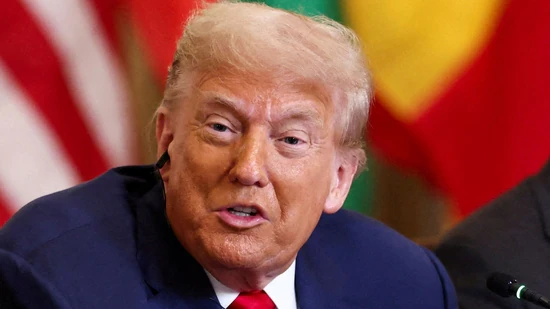

President Donald Trump reportedly lashed out at his aides over stalled trade negotiations, reluctantly agreeing to postpone a key tariff deadline after intense internal debate and growing global backlash, according to The Wall Street Journal.
On Monday, Trump unveiled plans for a fresh round of tariffs—ranging from 25% to 40%—on imports from more than a dozen countries, including major U.S. trading partners like Japan and South Korea. The tariffs were set to take effect unless new trade deals were secured by August 1.
However, letters sent to world leaders this week quietly rolled back a previously declared July 9 deadline tied to Trump’s aggressive “Liberation Day” tariffs, first announced in April. The climbdown followed a weekend of phone calls with senior aides and allies, who urged Trump to buy more time rather than let the tariffs take effect.
Trump, frustrated by the lack of progress on his trade agenda, reportedly told advisers he was disappointed that only three countries—China, Vietnam, and the U.K.—had even begun to outline new trade frameworks, far short of his goal to strike “90 deals in 90 days.”
Treasury Secretary Scott Bessent pushed for the delay, telling the president that breakthroughs with India and the European Union were still possible with additional time.
Despite public bravado, Trump was said to be privately fuming over stalled talks. According to WSJ sources, he blamed other countries for failing to deliver acceptable offers and was determined to score a trade win to build on recent, albeit shaky, political momentum—citing his deeply unpopular budget bill and contested military strikes on Iran.
White House spokesman Kush Desai defended the administration’s approach, saying, “The United States, the world’s biggest and best consumer market, holds the cards and leverage in negotiations.” He claimed many nations were eager to lower tariffs on U.S. goods.
Yet economists warn that the proposed tariffs would function as a tax on American businesses—costs that would almost certainly be passed down to consumers. Some experts fear the policy could spike prices and even trigger a recession if fully enacted.
Adding to the confusion, the typo-filled letters Trump sent to world leaders on Monday baffled observers and failed to clearly articulate U.S. demands. In near-identical language, Trump wrote:
“If you wish to open your heretofore closed trading markets to the United States… we will perhaps consider an adjustment to this letter.”
He added that tariffs “may be modified, upward or downward, depending on our relationship with your country.”
When pressed over the weekend about his own tariff deadlines, Trump appeared uncertain. One insider described the entire tariff rollout as political theater—an accusation the White House denies.
The administration has yet to publicly respond to questions about the delay or the content of Trump’s letters.