
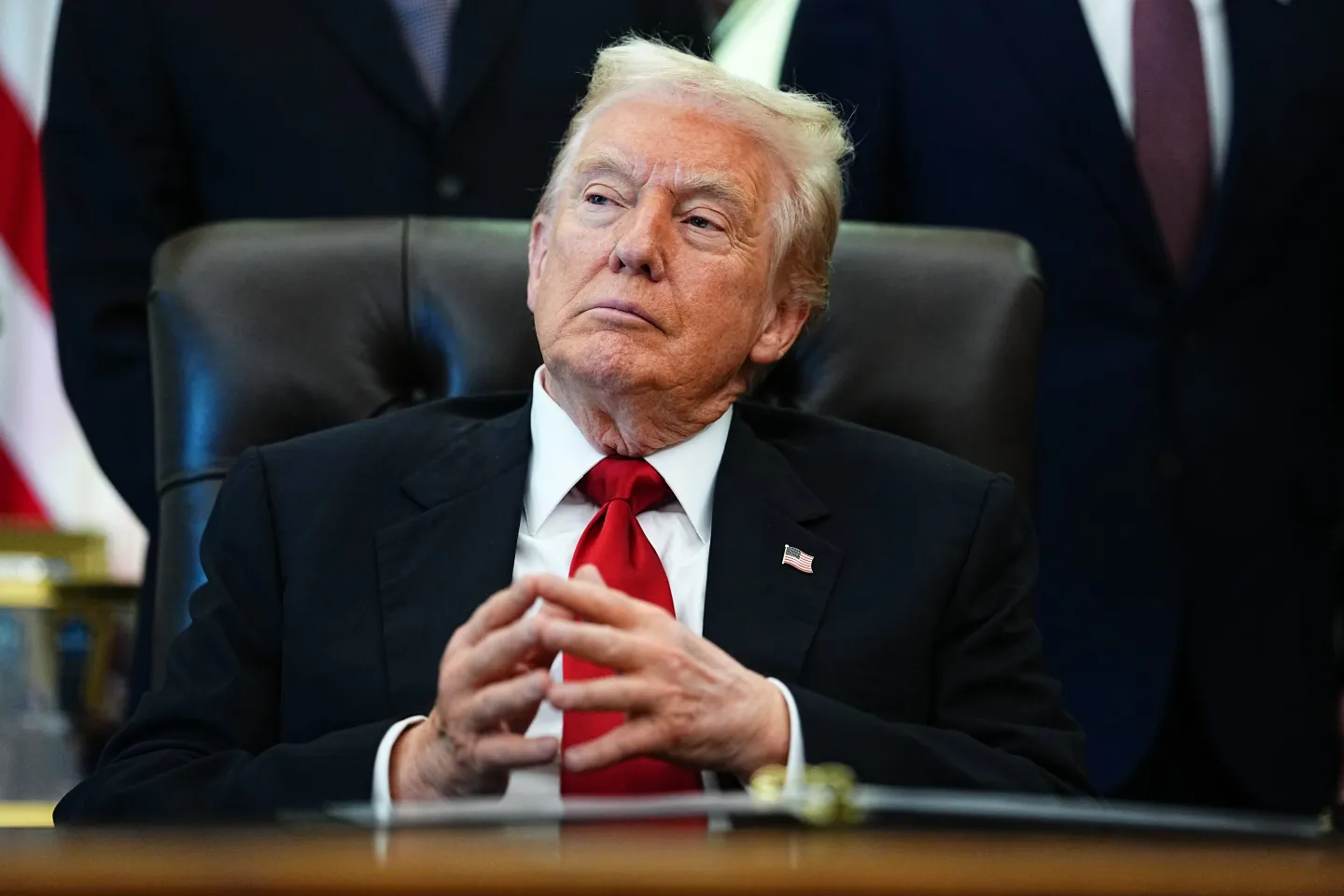

President Donald Trump has introduced a plan that could significantly broaden Medicare access to popular weight-loss medications, potentially reshaping treatment options for millions of older Americans. On November 6, he confirmed new agreements with pharmaceutical companies Eli Lilly and Novo Nordisk — the makers of widely used drugs such as Ozempic and Wegovy — to reduce pricing and enable expanded Medicare reimbursement beginning in 2026.
According to the administration’s announcement, the prices of GLP-1 medications — currently used to treat diabetes and obesity — will drop substantially for Medicare and Medicaid beneficiaries. Ozempic and Wegovy, which can cost $1,000 and $1,350 per month respectively, are expected to be available for approximately $350 through the new TrumpRx.gov platform launching in January 2026. A background press briefing reported by CNBC also noted that additional treatments, including forthcoming pill options, may be offered for as low as $145 per month through federal health programs.
Trump previously emphasized these reduced costs during remarks in October, estimating that patients could save hundreds of dollars per month. At that time, Centers for Medicare and Medicaid Services administrator Mehmet Oz explained that pricing negotiations were still underway.
Current Restrictions and Shifting Policies
Federal rules have long blocked Medicare from paying for medications intended exclusively for weight loss — a restriction established under the 2003 Medicare Modernization Act, according to health policy researchers at KFF. However, evolving clinical approvals have begun to reshape the landscape. Wegovy’s authorization for reducing the risk of heart attack and stroke in individuals with obesity and cardiovascular disease has opened the door to coverage under medically accepted uses.
CMS recently confirmed that Medicare Part D plans may include certain GLP-1 drugs on their formularies if they are prescribed for conditions not explicitly excluded by statute. Still, broad access for weight loss alone remains limited due to ongoing regulatory and cost concerns.
Fiscal Considerations and Cost Debates
Expanding coverage comes with a notable price tag. The Congressional Budget Office (CBO) projects that Medicare coverage of anti-obesity medications could raise federal spending by at least $35 billion between 2026 and 2034, with initial per-patient costs estimated at $5,600 annually. Increased market competition and continued negotiations could moderate these expenses over time.
Concerns about the growing national debt — which recently exceeded $38 trillion — have fueled debate among budget watchdog groups such as the Committee for a Responsible Federal Budget and the Peter G. Petersen Foundation, who warn about the implications of escalating federal costs.
Obesity currently affects roughly 40% of adults in the United States, including nearly 39% of people aged 60 and older, based on data from the Centers for Disease Control and Prevention (CDC). Encouragingly, obesity rates have begun to decline in several states for the first time in a decade, a shift many experts attribute in part to the advent of modern weight-loss medications.


