
The National Defense Authorization Act (NDAA) is set to expand the Trump administration’s efforts to curb fentanyl trafficking tied to supply chains originating in China, supporters of the measure say.
“President Trump is leading the toughest fentanyl crackdown in American history — and it’s going to save lives,” Republican Kentucky Rep. Andy Barr told Fox News Digital. “While past Presidents like Joe Biden allowed adversaries to flood the U.S. with deadly fentanyl, President Trump is taking the fight directly to the drug cartels and their Chinese suppliers.”
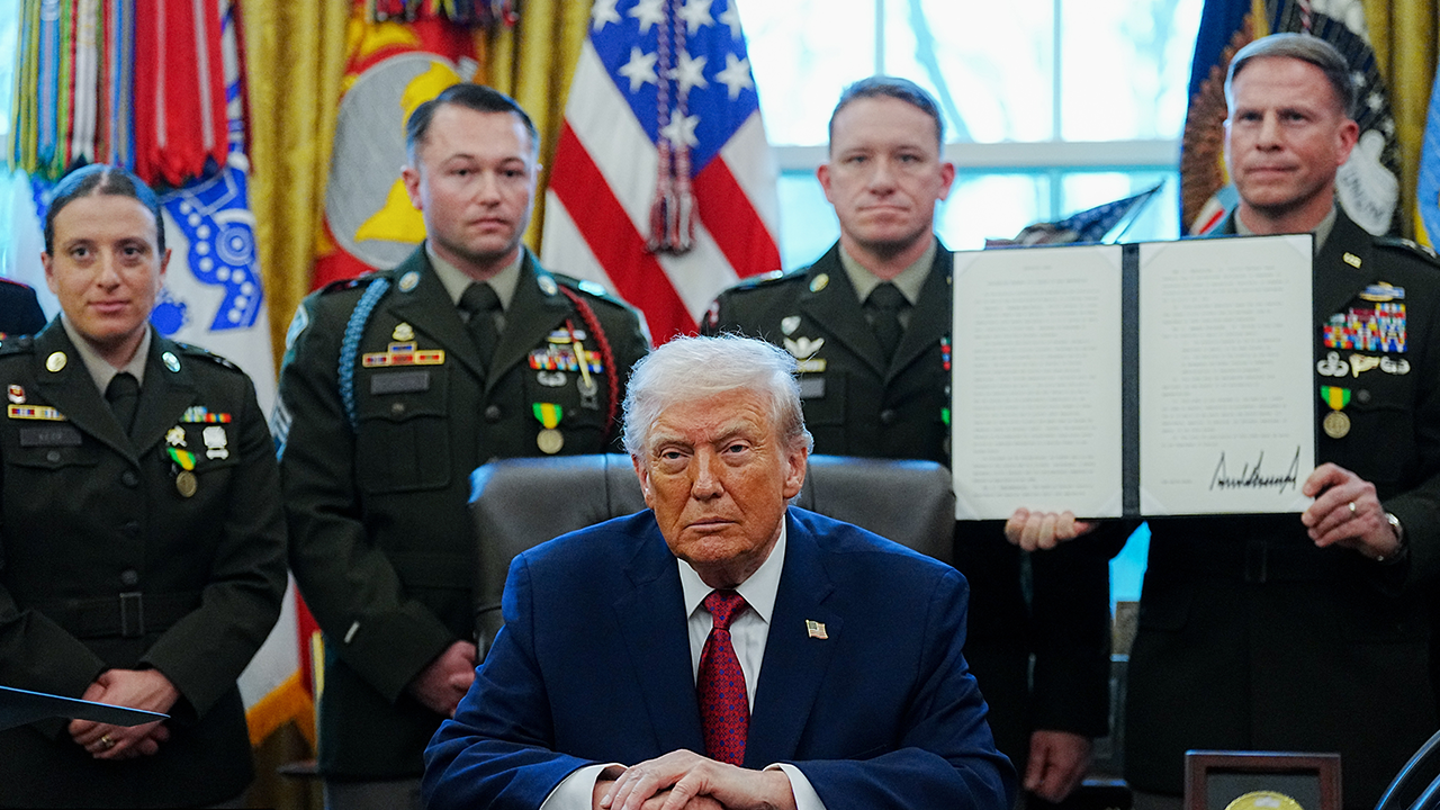
Trump signed the NDAA into law Thursday. The bill incorporates provisions from Barr’s legislation, H.R. 747, which updates the existing Fentanyl Sanctions Act by expanding the definition of a “foreign opioid trafficker.” Under the changes, Chinese entities and officials connected to the opioid industry who fail to stop trafficking could be included.
The NDAA is a roughly $901 billion package covering defense policy and funding tied to multiple national security priorities, including provisions related to decades-old war authorities, strikes on alleged drug boats in the Caribbean, Ukraine, lifting sanctions and Washington, D.C.’s, airspace.
Under the provision, designated entities could face broad financial penalties and visa bans, effectively cutting them off from the U.S. financial system.
“I’m proud to stand with him, which is why I led the Stop Chinese Fentanyl Act, legislation heading to his desk this week to sanction anyone in China producing illegal fentanyl used in drug trafficking,” Barr added. Barr, who is running for the Senate in Kentucky to replace retiring longtime Republican Sen. Mitch McConnell, also claimed, “More than half the fentanyl that comes into our country comes from China and 70% of overdoses involve fentanyl. We are sending a clear message to China: if you manufacture fentanyl that kills Americans, there will be consequences.”
The defense spending package comes the same week Trump signed an executive order declaring illicit fentanyl and its precursor chemicals as weapons of mass destruction. The order stated fentanyl is “closer to a chemical weapon than a narcotic,” noting that just two milligrams can be lethal.
“Today, I’m taking another step to protect Americans from the scourge of deadly fentanyl flooding into our country,” Trump said from the Oval Office Monday, referring to the executive order. “With this historic executive order I’m signing today, we are formally classifying fentanyl as a weapon of mass destruction — because that’s what it is.”
Trump campaigned in part on stopping the flow of illicit drugs into the U.S., including fentanyl from China and drugs trafficked through South and Central America.
The opioid crisis has impacted communities for decades. The Centers for Disease Control and Prevention has reported an estimated 806,000 people died from an opioid overdose between 1999–2023. A report published by the Council of Economic Advisers earlier in 2025 estimated the opioid crisis cost the U.S. $2.7 trillion in 2023, factoring in loss of life and quality of life, reduced productivity, crime, and healthcare costs.
“Our country is being poisoned from within by the drugs and by all the other crime that’s taking place,” Trump said in 2023 as the election heated up. “The drug cartels are waging war on America, and it’s now time for America to wage war on the cartels.”
Since September, the administration has launched at least 28 strikes on suspected narco-trafficking boats from Venezuela, according to the report. The administration has defended the strikes, which it said have killed dozens of suspected drug criminals, as necessary to prevent cartels from “poison[ing] Americans” with opioids.
Democrats have increasingly criticized the strikes, including two on Sept. 2 against an alleged drug boat from Venezuela. The White House confirmed the military carried out an initial strike on the boat before a second strike that killed two suspected traffickers—actions that prompted some Democrats to allege the administration committed potential war crimes.
The defense budget passed with bipartisan support in both the House and Senate, though some lawmakers on the left opposed it. Sen. Bernie Sanders of Vermont criticized overall military spending in a post on X Thursday, arguing resources should be redirected to domestic priorities.
“We are spending $1 trillion every year on the military. That’s more than the next NINE nations combined,” Sanders wrote. “Meanwhile, millions lack health care & we have the highest childhood and senior poverty rate of almost any major country. Congress needs to get its priorities straight.”