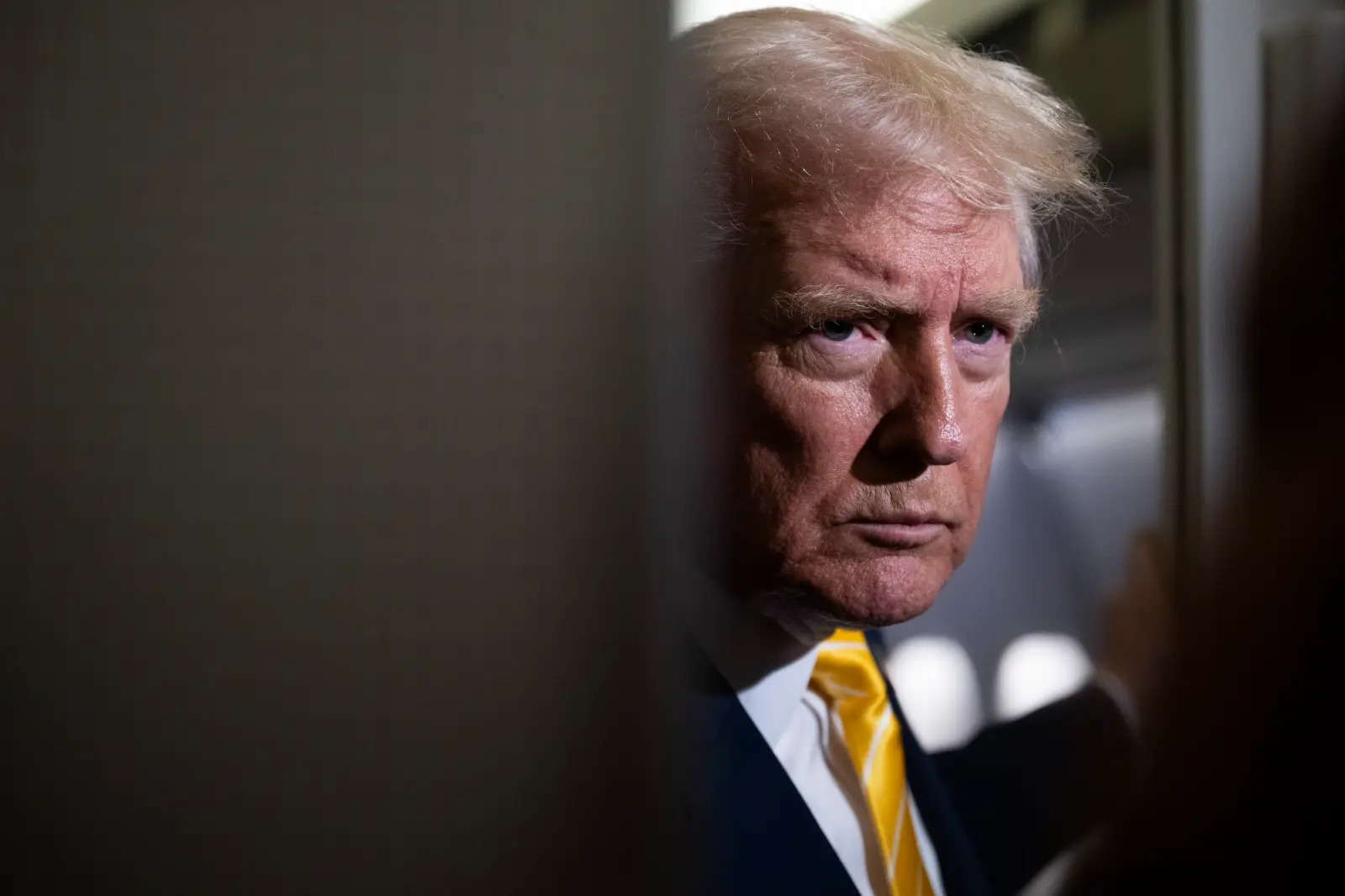

A rarely used procedural move cracked open the House this week. Lawmakers relied on a discharge petition—almost never successful—to bring the “Epstein Files Transparency Act” to the floor, where it passed 427–1. The Senate has agreed to fast-track the bill to President Donald Trump, who says he is prepared to sign it.
But the transparency push comes with a built-in off-ramp that runs on the same legal logic used in recent years to keep many Epstein records under wraps. The bill Trump supports bans redactions meant to avoid political embarrassment, yet it preserves a familiar exception: if releasing information would “jeopardize an active Federal investigation,” the Justice Department can temporarily and narrowly withhold it.
That carve-out matters now more than ever. On November 14, Trump said he wanted DOJ to examine Epstein’s connections to a range of high-profile figures. Attorney General Pam Bondi announced she has assigned a U.S. attorney to lead a federal investigation. If DOJ treats that work as active, it gains a clear statutory basis to delay or limit disclosure.
Whatever critics make of it, this isn’t a brand-new loophole invented for this vote. It mirrors the justification DOJ used in 2022 under FOIA Exemption 7(A), when the department argued that releasing Epstein-related materials could interfere with an “ongoing criminal investigation of Jeffrey Epstein and others.”
So while Congress is promising sunlight on a 30-day clock, it is also reaffirming the same court-tested protections for victim privacy and live investigations that previously kept much of this material sealed.
Democrats are presenting the vote as a win for openness. Senate Democratic leader Chuck Schumer vowed to move quickly, saying the chamber would pass the House bill “without changes” and “without delay.” Representative Ro Khanna, who led the discharge petition alongside Republican Thomas Massie, framed the release as a moral imperative, arguing the country can’t claim its values while failing to hold the powerful accountable for abuse.
Republican leaders have been more cautious. Speaker Mike Johnson has said he supports transparency but warned that forcing publication inside 30 days could be “incredibly dangerous,” pointing to classification issues and the need to protect victims. Trump, for his part, has brushed off the controversy, insisting, “We have nothing to hide.”
The lone “no” vote came from Representative Clay Higgins, who argued the bill could harm innocent people—witnesses, those who offered alibis, and family members whose names might appear in investigative files.
The legislation itself is sweeping on paper. It orders the attorney general to publish within 30 days all unclassified Epstein- and Ghislaine Maxwell-related records, including flight logs, immunity deals, internal DOJ communications, and materials concerning Epstein’s detention and death. After publication, DOJ must also provide Congress with a non-redacted list of every government official, public figure, or foreign dignitary named in the files. And it explicitly forbids withholding information just to prevent embarrassment, reputational damage, or political fallout.
Yet the act also lays out several limits. It allows temporary, narrowly tailored redactions if disclosure could jeopardize an active investigation or prosecution. It protects child-sexual-abuse imagery, certain victim identifiers, depictions of abuse, and properly classified national-security information. For every redaction, DOJ must publish a written justification in the Federal Register and declassify as much as possible—or at least issue an unclassified summary.
In effect, the politics have flipped, but the legal framework has not. The same “ongoing investigation” shield that DOJ cited in court years ago is now baked into the new statute. That means the real fight moves from Congress to DOJ, where attorneys will decide, page by page, what qualifies for release and how broadly to interpret the active-investigation exception.
And because the names list is required to be sent to Congress—not necessarily posted publicly—many of the biggest revelations may emerge through hearings, subpoenas, or selective leaks rather than a single clean online dump.
Was this design or coincidence? It’s not clear. But in a narrow legal sense, yes: the new law leaves Trump’s Justice Department room to do what DOJ did before—hold back material in the name of ongoing investigative work. The battle ahead, as ever, is likely to be fought inside the bureaucracy.