The United States is pressing Ukraine to accept the core framework of a U.S.-brokered peace deal with Russia within days and has warned that critical military and intelligence assistance could be scaled back if Kyiv resists, according to two sources familiar with the talks, who spoke to Reuters.
One source said the Trump administration wants Ukraine to agree to the basic terms by next Thursday—a deadline that would mark Washington’s most direct effort yet to shape Kyiv’s negotiating position as its situation on the battlefield becomes increasingly difficult.
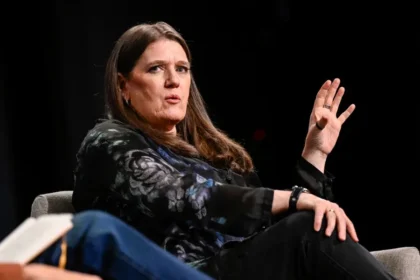
Commenting on the Reuters report, Kira Rudik, a lawmaker from Ukraine’s opposition party, told Newsweek that “up till this point, we have seen our American partners putting different kinds of pressure onto Ukraine, however, it is not Ukraine that is standing in the way to peace.”
Why It Matters
The reported ultimatum signals a major escalation in Washington’s push to move both sides toward negotiations after more than two and a half years of war.
What To Know
U.S. Army Secretary Dan Driscoll met Ukrainian President Volodymyr Zelensky in Kyiv on November 20 to discuss possible steps toward a peace agreement, White House Press Secretary Karoline Leavitt told reporters on Thursday, alongside a delegation of other senior U.S. military officials, Reuters reported. “They want to stop the war and want Ukraine to pay the price,” one of the sources told the news agency.
Reuters also reported that the U.S. ambassador to Ukraine and the Army public affairs chief traveling with the delegation described the talks as successful and said Washington was pushing for an “aggressive timeline” for the signing of a document between the U.S. and Ukraine.
U.S. President Donald Trump’s proposed 28-point peace plan would seek to end the war by granting Russia control over parts of eastern Ukraine, including Donbas, while providing security guarantees to Kyiv and its European partners.
The draft proposal reportedly includes restrictions on the size of Ukraine’s armed forces, a halt to NATO’s eastward expansion, and economic incentives for Moscow, including a pathway back into global markets.
Critics—including Ukrainian officials and advocacy organizations—have condemned the proposal as a form of “capitulation,” pointing to territorial concessions and diminished defenses. Some European allies fear being sidelined in the process, while Russia has signaled cautious optimism.
Rudik, who leads Ukraine’s Golos party, argued that Trump is unlikely to secure meaningful concessions from Russian President Vladimir Putin—even the basic first step of agreeing to a ceasefire.
“Ukraine has done everything by the book and agreed to an unconditional ceasefire, to all the requirements from the White House, including the rare minerals deal and still, in getting to peace, it seems we are the ones who are being pressured,” she said.
“We didn’t choose to capitulate in 2022. We are not doing it right now. And moving forward, we would need our European partners to play a stronger role,” Rudik added.
Zelensky has not publicly rejected the U.S. proposal, but Reuters’ reporting underscores the mounting pressure on Ukraine’s president.
Richard Gardiner, senior analyst for strategic intelligence at security and intelligence firm S-RM, told Newsweek on Friday that the timing of the U.S. push places Kyiv in an especially vulnerable position.
Zelensky is already grappling with a major corruption scandal, while Russia continues to make gains in the east and intensifies attacks on energy infrastructure, stretching Ukraine’s air defenses. Introducing a peace framework under these conditions, Gardiner said, “adds to that strain.”
Accepting the deal in its current form would likely provoke a severe domestic backlash in Ukraine, Gardiner added.
“It would cross several red lines for Kyiv, and with no imminent Russian strategic breakthrough,” he said, “Ukrainian leaders may see holding out, even if territorial losses continue at the current rate, as the more acceptable option.”
What People Are Saying
White House Press Secretary Karoline Leavitt said Thursday: “It’s a good plan for both Russia and Ukraine and we believe that it should be acceptable to both sides and we’re working very hard to get it done.”
Ukrainian President Volodymyr Zelensky wrote in a post on X on Friday: “We are working to ensure that Ukraine’s national interests are taken into account at every level of our relations with partners. Right now, there are meetings, calls, and work on the points practically every hour—provisions that can change a lot. It is important that the outcome be a dignified peace.”
What Happens Next
Ukrainian and European leaders have scheduled urgent consultations and are expected to continue coordinating their response at the upcoming G20 summit in South Africa, where the proposed peace framework—and the pressure surrounding it—is likely to be a central topic of discussion.