
U.S. Air Force personnel are working alongside Ecuadorian forces at the Manta air base in Ecuador as part of a temporary counter-narcotics operation.
“This short-term joint effort is carried out as part of our long-term bilateral security strategy, in line with the currently valid agreements in accordance with Ecuadorian law,” the U.S. Embassy stated on X this week.
Why It Matters
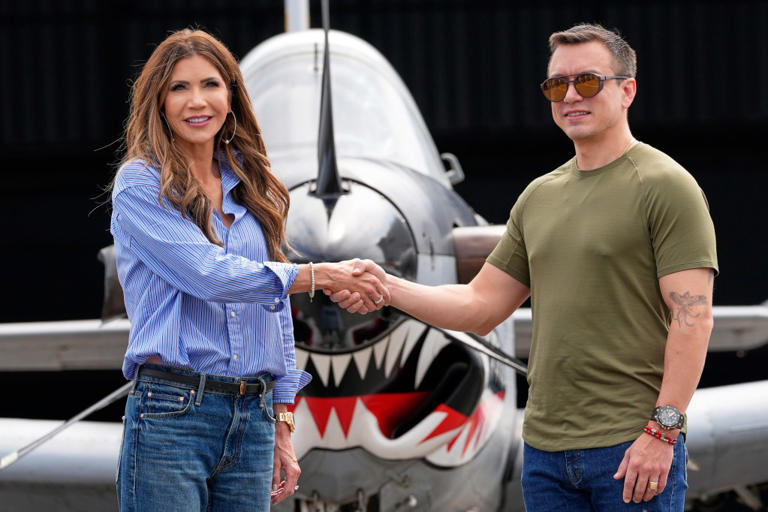
Ecuadorian voters recently rejected a referendum that would have permitted permanent foreign military bases, reinforcing the country’s long-standing ban on them—including any renewed U.S. base presence like the one Washington once maintained in Manta. The vote followed Ecuadorian President Daniel Noboa’s push for U.S. military assistance and his support for opening U.S. military sites at the ports of Manta and Salinas after Homeland Security Secretary Kristi Noem visited the Manta military base in November.
The deployment also comes as Washington increases its military activity in the Caribbean and Eastern Pacific under President Donald Trump’s expanded anti-drug campaign, alongside heightened regional anxiety over potential U.S. military action targeting Venezuelan President Nicolas Maduro.
What To Know
Ecuador and the United States have initiated a temporary operation at the Manta air base—an effort Noboa described on X as “part of a long-term bilateral security strategy.”
Ecuador is contending with a steep rise in drug-linked violence. Over the past three years, homicide rates have climbed sharply as criminal organizations deepen their grip on coastal trafficking corridors. Earlier this month, U.S. special forces operating under Southern Command supported Ecuador’s 4th Army Division in a counter-narcotics mission in Esmeraldas on December 3, seizing 1.4 tons of cocaine valued at roughly $98 million.
Manta—an important Pacific port city—previously hosted a U.S. forward operating location until 2009, when Ecuador instituted a ban on foreign military bases. Several U.S. partners, including El Salvador and the Dominican Republic, have supported U.S. operations by granting American forces access to bases and airports. Washington has also expanded its regional footprint by reopening Puerto Rico’s Roosevelt Roads Naval Station and deploying additional forces to the U.S. Virgin Islands.
Other governments, including Colombia, have been more skeptical. Tensions have also surfaced between Trump and Colombian President Gustavo Petro.
What People Are Saying
U.S. Embassy in Ecuador on Wednesday: “The operation will enhance the capacity of the Ecuadorian military forces to combat narco-terrorists, including strengthening intelligence gathering and anti-drug trafficking capabilities, and is designed to protect the United States and Ecuador from the threats we share.”
What Happens Next
A potential U.S. strike on Venezuela would put Latin America’s willingness to confront American military power under renewed pressure, according to a recent Council on Foreign Relations assessment. The analysis said the region is currently “highly fragmented,” with governments largely focused on their own national priorities.