
Vice President JD Vance’s old calls for consequences over inflammatory political commentary are now being cited against Donald Trump, after the former president faced backlash for a Truth Social post reacting to the reported deaths of filmmaker Rob Reiner and his wife, Michele.
On MSNOW’s Morning Joe, panelists pointed to comments Vance made after conservative commentator Charlie Kirk was fatally shot on a Utah college campus in September. At the time, Vance argued that people who mocked or celebrated the tragedy should face professional repercussions.
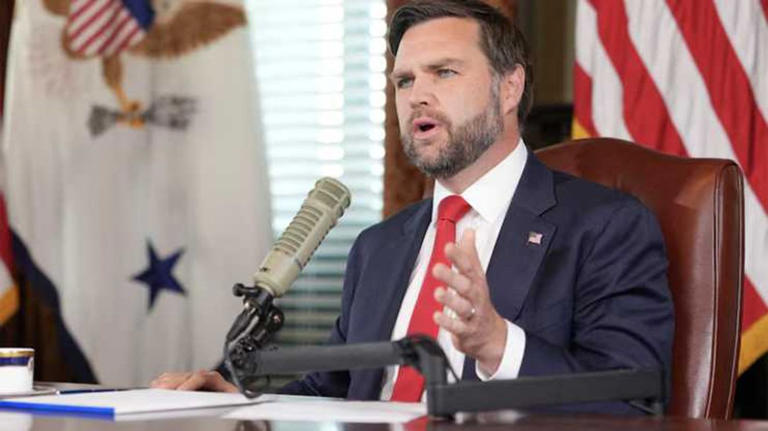
“Call them out, and hell, call their employer. We don’t believe in political violence, but we do believe in civility,” Vance said during an appearance connected to Kirk’s podcast.
That framing resurfaced this week after Trump posted a caustic message following reports of Reiner’s death. In the post, Trump described the director as “tortured and struggling,” and attributed the deaths to what he labeled “TRUMP DERANGEMENT SYNDROME,” sometimes referred to as “TDS.”
The controversy intensified because authorities have indicated the couple’s son is accused in connection with the killings, making the tone of Trump’s remarks a central target of criticism.
Conservative columnist Matt Lewis highlighted the disconnect during a Tuesday appearance on MSNOW, asking who—if anyone—would apply Vance’s standard to Trump.
“I go back to the Charlie Kirk murder,” Lewis said, arguing that even amid political divides, public decency should still apply. He recalled Vance’s suggestion that critics should “call their employer,” and contrasted that idea with Trump’s status and influence.
Lewis also cited reporting that large numbers of Americans faced consequences for remarks made after Kirk’s death. He pointed to one example of a South Carolina teacher who, he said, lost her job after reposting Kirk’s own previous comments about school shootings. If ordinary workers were held to that standard, Lewis argued, the bar should be at least as high for a president or presidential candidate.
He rejected the notion that Trump’s conduct should be excused as simply his personality, adding that character matters because it shapes leadership and civic life.
“And I’m sorry, this whole thing about like, well, you know, this is Trump, this is who Trump is. And the voters, the voters can separate his policies from — no! As a conservative, our character is destiny.”