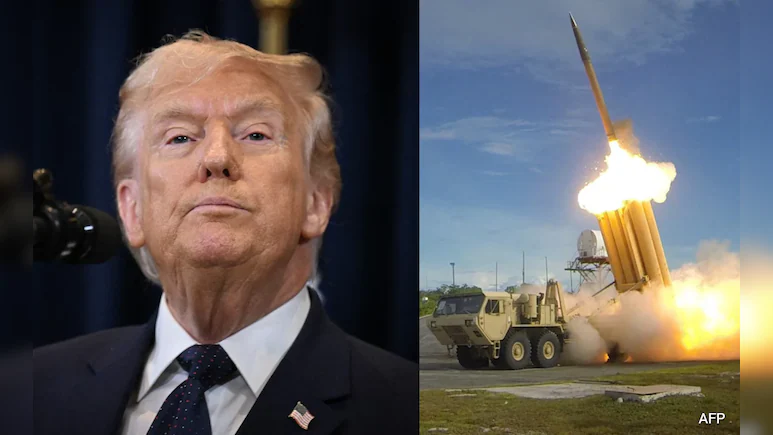

Two weeks into a high-stakes military offensive against Iran, President Donald Trump finds himself besieged by a domestic political crisis that threatens to derail his second-term agenda. What began as a lightning strike alongside Israel has devolved into a grinding conflict that is splitting the “Make America Great Again” movement, sending global energy markets into a tailspin, and handing a lifeline to a regrouping Democratic Party ahead of the November midterms.
Despite the President’s early declaration at a Kentucky rally that “we’ve won,” the reality on the ground and at the pump tells a different story. As the U.S. military prepares for a protracted engagement, the administration is struggling to reconcile its “America First” non–interventionist rhetoric with the escalating costs of a new Middle Eastern war.
A Base Divided: Non-Interventionism vs. Military Might
The conflict has sparked a rare ideological schism within Trump’s core constituency. For years, Trump campaigned on a promise to “end forever wars,” a platform that attracted a significant wing of isolationist and paleoconservative voters. Now, those supporters are expressing open skepticism.
- The Pro-War Wing: Traditional hawks and staunch pro-Israel supporters view the strikes as a necessary pre-emptive measure to neutralize Iran’s nuclear ambitions.
- The “America First” Skeptics: A growing segment of the MAGA base views the conflict as a betrayal of Trump’s 2024 campaign pledges, fearing another multi-trillion dollar “quagmire” that drains domestic resources.
“I think the administration is flying by the seat of their pants, and the rest of us are paying the price,” said Kelly Dietrich, CEO of the National Democratic Training Committee. While Dietrich represents the opposition, his sentiment is increasingly echoed by populist commentators who argue the war is a distraction from the “border and the economy.”
Energy Markets in Turmoil
The economic fallout has been immediate and severe. With the Strait of Hormuz—through which one-fifth of the world’s traded oil flows—effectively closed by Iranian threats, global energy markets are in a tailspin.
In a move that has stunned international allies, the U.S. Treasury Department recently issued a 30-day waiver on Russian sanctions. The goal is to free up stranded Russian oil cargoes to mitigate supply shortages, but the optics have been disastrous. By easing pressure on Moscow, the administration has inadvertently bolstered President Vladimir Putin’s ability to fund his ongoing war in Ukraine.
Ukrainian President Volodymyr Zelenskyy criticized the move as “not the right decision,” noting it leads to a “strengthening of Russia’s position” at a critical juncture for Eastern Europe.
Geopolitical Tension and the “Burden-Sharing” Demand
Aboard Air Force One this weekend, a frustrated President Trump lashed out at allies for not doing more to secure the region. He specifically targeted British Prime Minister Keir Starmer for hesitating to deploy aircraft carriers into “harm’s way.”
“Really, I’m demanding that these countries come in and protect their own territory,” Trump told reporters, emphasizing that the U.S. would “remember” who stood by them.
However, the international response has been tepid:
- South Korea and Japan: Both nations have stated they are “carefully reviewing” the situation without committing assets.
- China: A spokesperson for the Chinese Embassy in Washington remained non-committal, calling for “communication” rather than military intervention.
- The UK: The Defense Ministry confirmed it is “discussing options,” but has yet to authorize a full naval commitment.
The Midterm Calculus
For Democrats, the timing of the conflict provides a potent narrative for the upcoming midterms. Party leaders are pivoting to the “economic proof” that Republican policies are driving up the cost of living.
“Democrats just have to keep reminding people that he made a promise to bring prices down, and they’re still going up,” said Democratic strategist Brad Bannon. “Gasoline increases the price of everything else, including at the grocery store.”
While Trump remains defiant—asserting that he “has to do what’s right” to prevent an Iranian nuclear weapon—his poll numbers have begun to slide. The combination of U.S. military casualties (including six soldiers killed last week), a volatile stock market, and a fractured base has placed the White House in its most precarious position since the inauguration.